Deconstructed Dinners: The Chaos-Free Way to Serve Complex Flavors
Dinner time should be a moment of relaxation and enjoyment—not a battle against kitchen chaos. Enter deconstructed dinners, the genius solution for serving bold, complex flavors without the stress of traditional cooking methods. By breaking down a dish into its core components—proteins, vegetables, sauces, and garnishes—you create a meal that’s as visually stunning as it is delicious, all while keeping your kitchen (and sanity) intact.
In this guide, we’ll explore what deconstructed dinners are, why they’re gaining popularity, and how you can master this approach to elevate your home-cooked meals. Whether you’re a busy parent, a meal-prep enthusiast, or a culinary explorer, deconstructed dinners offer a flexible, flavor-packed way to dine smarter—not harder.
Why Deconstructed Dinners Are a Game-Changer
Traditional dinners often require multitasking—simmering sauces while roasting vegetables, checking on multiple pots, and hoping everything finishes at the same time. Deconstructed dinners flip the script by separating these elements, giving you control over each component’s cooking process. Here’s why this method works:
- Efficiency: Cook proteins, vegetables, and grains separately to avoid overcrowding your stove or oven.
- Customization: Serve individual elements family-style, allowing everyone to pick and choose their favorites.
- Flavor Control: No more soggy vegetables or overcooked proteins—each part retains its texture and taste.
- Less Stress: No more frantic last-minute plating; everything is ready to assemble when you are.
Plus, deconstructed dinners are perfect for meal prep. Store components in the fridge or freezer and mix and match them throughout the week for quick, satisfying meals.
How to Build a Deconstructed Dinner: The 4 Key Components
Every great deconstructed dinner starts with a solid foundation. Break your dish into these four elements:
1. The Protein
Choose a protein that’s easy to cook and versatile. Grilled chicken, seared salmon, slow-cooked pulled pork, or crispy tofu all work well. Season simply with salt, pepper, and herbs to let the flavor shine.
2. The Vegetables
Opt for a mix of textures and colors. Roast root vegetables for depth, sauté greens for freshness, or lightly grill zucchini for a smoky touch. Keep vegetables slightly undercooked to maintain crispness when plated.
3. The Base or Grain
A sturdy base adds heartiness to your meal. Quinoa, rice, couscous, or even roasted sweet potatoes work wonders. Season the base with aromatics like garlic, onions, or herbs to tie flavors together.
4. The Sauce or Dressing
Sauces elevate every bite. Think creamy aioli, tangy chimichurri, spicy peanut sauce, or a simple vinaigrette. Offer sauces on the side so diners can drizzle as they please.
Pro Tip: Don’t forget the garnishes! Fresh herbs, toasted nuts, crumbled cheese, or pickled onions add a pop of color and texture.
5 Deconstructed Dinner Ideas to Try Tonight
Ready to dive in? Here are five crowd-pleasing deconstructed dinner ideas that prove complexity doesn’t require chaos.
1. Build-Your-Own Buddha Bowl
Start with a base of quinoa or farro, then add:
- Protein: Grilled chicken, crispy chickpeas, or marinated tofu
- Vegetables: Roasted sweet potatoes, steamed broccoli, shredded cabbage, and avocado slices
- Sauce: Tahini-lemon dressing or spicy yogurt sauce
- Garnish: Sesame seeds, cilantro, and pickled radishes
2. Taco Night, Deconstructed
Skip the crowded skillet and serve these components separately:
- Protein: Slow-cooked carnitas or shredded beef
- Shells: Warm corn tortillas (or lettuce wraps for low-carb)
- Toppings: Pico de gallo, guacamole, shredded cheese, and pickled onions
- Sauce: Chipotle crema or salsa verde
Let everyone assemble their perfect taco without the mess!
3. Asian-Inspired Rice Paper Rolls
A refreshing and light option with endless customization:
- Base: Rice paper wrappers
- Protein: Poached shrimp, grilled pork, or tofu
- Vegetables: Julienned carrots, cucumber, bell peppers, and bean sprouts
- Sauce: Peanut dipping sauce or sweet chili sauce
- Garnish: Fresh mint, cilantro, and crushed peanuts
4. Mediterranean Mezze Platter
Inspired by Middle Eastern flavors, this spread is perfect for sharing:
- Base: Warm pita bread or flatbread
- Protein: Grilled lamb kebabs or falafel
- Vegetables: Marinated artichokes, roasted eggplant, and cherry tomatoes
- Sauce: Tzatziki or harissa yogurt
- Garnish: Kalamata olives, crumbled feta, and fresh parsley
5. Italian Pasta Bar
Turn spaghetti night into a fun, interactive meal:
- Base: Al dente pasta (keep it plain or toss with olive oil and garlic)
- Protein: Meatballs, grilled shrimp, or crispy pancetta
- Vegetables: Sautéed mushrooms, roasted cherry tomatoes, and wilted spinach
- Sauce: Marinara, Alfredo, or pesto (offer at least two options)
- Garnish: Grated Parmesan, fresh basil, and red pepper flakes
Tips for Mastering Deconstructed Dinners
To make your deconstructed dinners a success, keep these tips in mind:
Prep Ahead
Spend 30 minutes on the weekend chopping vegetables, cooking proteins, and making sauces. Store components in airtight containers to keep them fresh. Most deconstructed dinner elements last 3–4 days in the fridge.
Balance Flavors and Textures
Aim for a mix of crunchy, creamy, tangy, and savory elements in each dish. For example, pair crispy roasted Brussels sprouts with silky mashed potatoes and a bright citrus dressing.
Invest in Quality Storage Containers
Use stackable, compartmentalized containers to keep components separate until serving. Mason jars work great for sauces, while glass containers are ideal for grains and proteins.
Don’t Overcomplicate the Sauce
Sauces should complement, not overpower. Start with simple recipes like olive oil and lemon juice, yogurt and herbs, or soy sauce and ginger. Adjust seasoning to taste before serving.
Get Creative with Plating
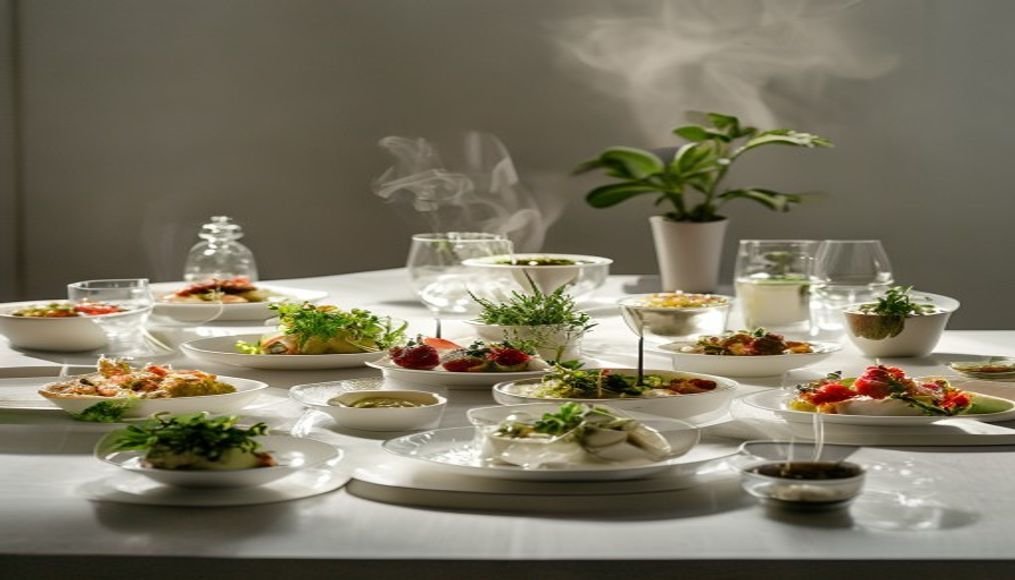
Presentation matters! Use white plates or bowls to make colors pop, and arrange components in a visually appealing way. A drizzle of sauce or a sprinkle of fresh herbs can turn a simple meal into a restaurant-worthy dish.
Deconstructed Dinners for Special Diets
One of the best things about deconstructed dinners is their adaptability. Here’s how to modify them for common dietary needs:
Gluten-Free
Use gluten-free grains like quinoa or rice, and swap sauces for gluten-free alternatives (e.g., tamari instead of soy sauce). Ensure all components are certified gluten-free if cross-contamination is a concern.
Vegetarian/Vegan
Focus on plant-based proteins like lentils, chickpeas, tempeh, or tofu. Load up on vegetables and use vegan sauces (e.g., cashew cream or tahini-based dressings).
Low-Carb/Keto
Skip the grains and use cauliflower rice, zucchini noodles, or lettuce wraps as a base. Opt for high-fat proteins like salmon or steak, and pair with roasted or sautéed low-carb vegetables.
Dairy-Free
Use coconut milk, almond milk, or dairy-free cheese in sauces. Avocado, nuts, and seeds are great dairy-free garnishes.
Frequently Asked Questions About Deconstructed Dinners
Are deconstructed dinners just for fancy restaurants?
Not at all! While deconstructed plating is common in fine dining, the concept itself is about simplifying meal prep and serving. Home cooks can use this method for everyday meals with minimal effort.
Do I need special equipment to make deconstructed dinners?
Nope! A knife, cutting board, and basic pots/pans are all you need. The key is organization and timing—cook proteins and vegetables in batches, then store them properly.
How do I keep sauces from making everything soggy?
Serve sauces on the side or drizzle them just before eating. If you’re prepping ahead, store sauces separately and assemble the meal when ready to serve.
Can I freeze deconstructed dinner components?
Yes! Most proteins, grains, and sauces freeze well. Vegetables with high water content (like cucumbers or lettuce) are best added fresh. Thaw components in the fridge overnight and reheat gently before serving.
Final Thoughts: Why You Should Try Deconstructed Dinners
Deconstructed dinners are more than just a trend—they’re a practical, flavorful, and stress-free way to cook and eat. By breaking down complex dishes into manageable parts, you gain control over flavor, texture, and presentation without sacrificing your sanity.
Whether you’re feeding a family, hosting a dinner party, or just looking for a smarter way to meal prep, this method adapts to your lifestyle. Start with one of the recipes above, experiment with your favorite flavors, and watch as mealtime becomes a joy instead of a juggling act.
Ready to take the plunge? Pick a recipe, prep your components, and enjoy the freedom of chaos-free dining!
Call to Action: Your Turn!
Have you tried deconstructed dinners before? Share your favorite combinations or tips in the comments below! And if you found this guide helpful, save it for later or pin it to your favorite recipe board to try these ideas again soon.
Don’t forget to subscribe to our newsletter for more easy, flavorful meal ideas delivered straight to your inbox. Happy cooking!