
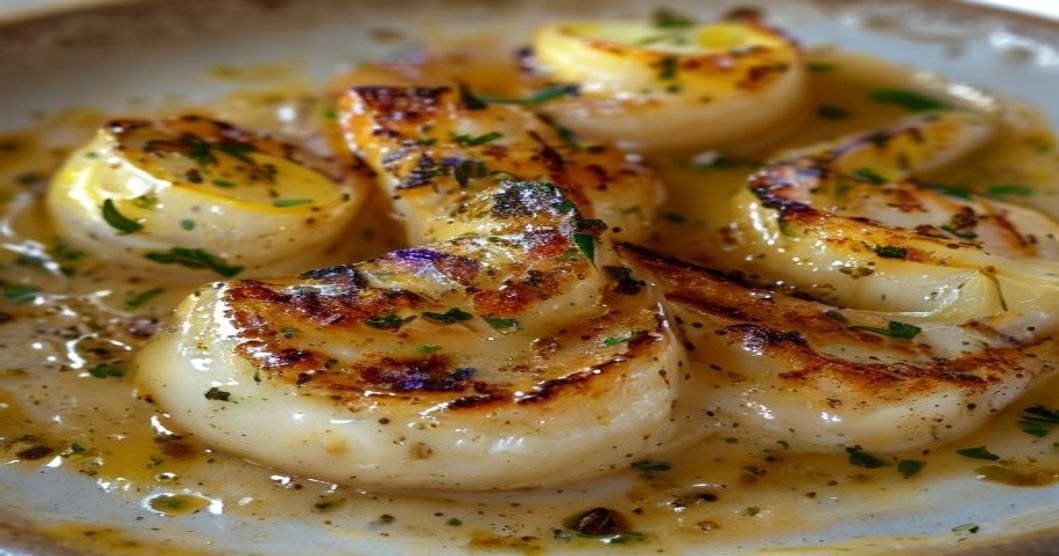
Creamy Lemon Garlic Butter Scallops: A Restaurant-Quality Dish at Home
Learn how to make restaurant-quality creamy lemon garlic butter scallops at home with this easy, step-by-step guide. Perfectly seared scallops in minutes!
There’s something undeniably luxurious about perfectly seared scallops bathed in a creamy lemon garlic butter sauce. This dish, often found on high-end restaurant menus, is surprisingly simple to recreate in your own kitchen. With just a handful of ingredients and a few key techniques, you can enjoy tender, flavorful scallops that taste like they came from a five-star seafood restaurant.
In this guide, we’ll walk you through everything you need to know to make Creamy Lemon Garlic Butter Scallops—from selecting the best scallops to mastering the sear and crafting the perfect sauce. Whether you’re cooking for a special occasion or just want to elevate your weeknight dinner, this recipe is sure to impress.
Why You’ll Love This Recipe
- Quick and Easy: Ready in under 30 minutes, this dish is perfect for busy weeknights or last-minute dinner parties.
- Restaurant-Quality Flavor: The combination of garlic, lemon, and butter creates a rich, tangy sauce that complements the natural sweetness of scallops.
- Versatile: Serve these scallops with pasta, rice, crusty bread, or a fresh salad for a complete meal.
- Impressive Yet Simple: Scallops may seem intimidating, but with the right technique, anyone can cook them perfectly.
Choosing the Best Scallops for Your Dish
The key to making the best Creamy Lemon Garlic Butter Scallops starts with selecting high-quality scallops. Here’s what to look for:
Fresh vs. Frozen Scallops
Fresh scallops are ideal if you have access to a reputable seafood market. They should smell like the ocean—clean and slightly briny—with no strong fishy odor. However, high-quality frozen scallops can be just as good, especially if they’re labeled “dry-packed” (meaning they haven’t been treated with preservatives like sodium tripolyphosphate, which can make them retain water and prevent proper searing).
Wet vs. Dry Scallops
- Dry-Packed Scallops: These are untreated and will sear beautifully, developing a golden-brown crust. They’re the best choice for this recipe.
- Wet-Packed Scallops: These have been soaked in a preservative solution, which can make them release excess moisture during cooking, leading to steaming rather than searing. If you must use wet scallops, pat them very dry before cooking.
Size Matters
Scallops come in various sizes, typically labeled as:
- U/10 or U/12: These are the largest scallops, with 10-12 scallops per pound. They’re ideal for searing whole and make a dramatic presentation.
- 10/20 or 20/30: Medium-sized scallops, with 10-30 per pound. These are a great all-purpose size for most recipes.
- Bay Scallops: Much smaller and more delicate, these are better suited for quick sautés or pasta dishes rather than searing.
For this recipe, we recommend using U/10 or 10/20 scallops for the best results.
Essential Ingredients for Creamy Lemon Garlic Butter Scallops
This recipe relies on a few high-quality ingredients to create its signature flavor. Here’s what you’ll need:
- Scallops: 1 pound (about 10-12 large scallops), dry-packed if possible.
- Butter: 4 tablespoons (½ stick), divided. Use unsalted butter to control the saltiness of the dish.
- Garlic: 3-4 cloves, minced. Fresh garlic is a must for the best flavor.
- Lemon: 1 medium lemon (zest and juice). Fresh lemon juice brightens the sauce and balances the richness of the butter.
- Heavy Cream: ½ cup. This adds a luxurious creaminess to the sauce. For a lighter option, you can substitute with half-and-half or coconut milk.
- White Wine: ¼ cup (optional). A dry white wine like Sauvignon Blanc or Pinot Grigio adds depth to the sauce. If you prefer not to use wine, substitute with an equal amount of seafood or chicken stock.
- Salt and Pepper: To taste. Kosher salt is preferred for its clean flavor.
- Fresh Herbs: 2 tablespoons chopped parsley or chives for garnish. These add a pop of color and freshness.
- Red Pepper Flakes: A pinch (optional), for a subtle kick of heat.
Step-by-Step Instructions for Perfect Scallops
Step 1: Prep the Scallops
Properly prepping your scallops is crucial for achieving a perfect sear. Follow these steps:
- Thaw if Frozen: If using frozen scallops, thaw them overnight in the refrigerator. Avoid thawing at room temperature or in warm water, as this can lead to uneven cooking.
- Pat Dry: Use paper towels to thoroughly pat the scallops dry on all sides. This step is non-negotiable—any moisture on the surface will prevent the scallops from browning properly.
- Season: Lightly season both sides of the scallops with salt and pepper. Be careful not to over-season, as the sauce will also contribute to the flavor.
- Let Them Rest: Allow the scallops to sit at room temperature for 10-15 minutes before cooking. This ensures even cooking.
Step 2: Sear the Scallops
Searing scallops requires a hot pan and a hands-off approach. Here’s how to do it:
- Heat the Pan: Use a heavy-bottomed skillet (cast iron or stainless steel work best) and heat it over medium-high heat. Add 2 tablespoons of butter and 1 tablespoon of olive oil (the oil helps prevent the butter from burning).
- Test the Heat: To check if the pan is hot enough, flick a few drops of water into the pan. If they sizzle and evaporate immediately, the pan is ready.
- Add the Scallops: Place the scallops in the pan, leaving at least 1 inch of space between each one. Overcrowding the pan will cause them to steam rather than sear.
- Sear Undisturbed: Cook the scallops for 2-3 minutes on the first side without moving them. You should see a golden-brown crust form. If they’re sticking, they’re not ready to flip—give them another 30 seconds.
- Flip and Cook: Gently flip the scallops using tongs and cook for another 1-2 minutes on the second side. The scallops should be opaque and slightly firm to the touch. Avoid overcooking, as they’ll continue to cook slightly after being removed from the pan.
- Remove and Rest: Transfer the scallops to a plate and tent loosely with foil to keep them warm.
Step 3: Make the Lemon Garlic Butter Sauce
While the scallops rest, it’s time to make the creamy sauce. This step comes together quickly, so have all your ingredients ready.
- Sauté the Garlic: In the same pan used for the scallops, reduce the heat to medium and add the remaining 2 tablespoons of butter. Once melted, add the minced garlic and sauté for 30 seconds, just until fragrant. Be careful not to let the garlic burn.
- Deglaze the Pan: Pour in the white wine (or stock) and scrape up any browned bits from the bottom of the pan with a wooden spoon. Let the liquid reduce by half, about 2 minutes.
- Add Lemon: Stir in the lemon zest and juice, then cook for another 30 seconds to meld the flavors.
- Finish the Sauce: Pour in the heavy cream and simmer gently for 2-3 minutes, until the sauce thickens slightly. Season with salt and pepper to taste. If the sauce is too thin, let it reduce for another minute. If it’s too thick, add a splash of water or stock.
- Combine and Serve: Return the scallops to the pan, spooning the sauce over them to coat. Sprinkle with fresh herbs and red pepper flakes (if using). Serve immediately with your choice of sides.
Pro Tips & Troubleshooting
Common Mistakes to Avoid
- Not drying the scallops: Moisture is the enemy of a good sear. Pat them thoroughly before cooking.
- Overcrowding the pan: Give each scallop plenty of space to ensure even browning.
- Moving the scallops too soon: Let them sear undisturbed for 2-3 minutes on each side to develop a crust.
- Overcooking: Scallops should be opaque and slightly firm to the touch. They’ll continue cooking off the heat.
Serving Suggestions
Pair your Creamy Lemon Garlic Butter Scallops with:
- Creamy risotto or buttery mashed potatoes
- Crusty bread or garlic bread for soaking up the sauce
- A light arugula salad with lemon vinaigrette
- Steamed asparagus or roasted Brussels sprouts