
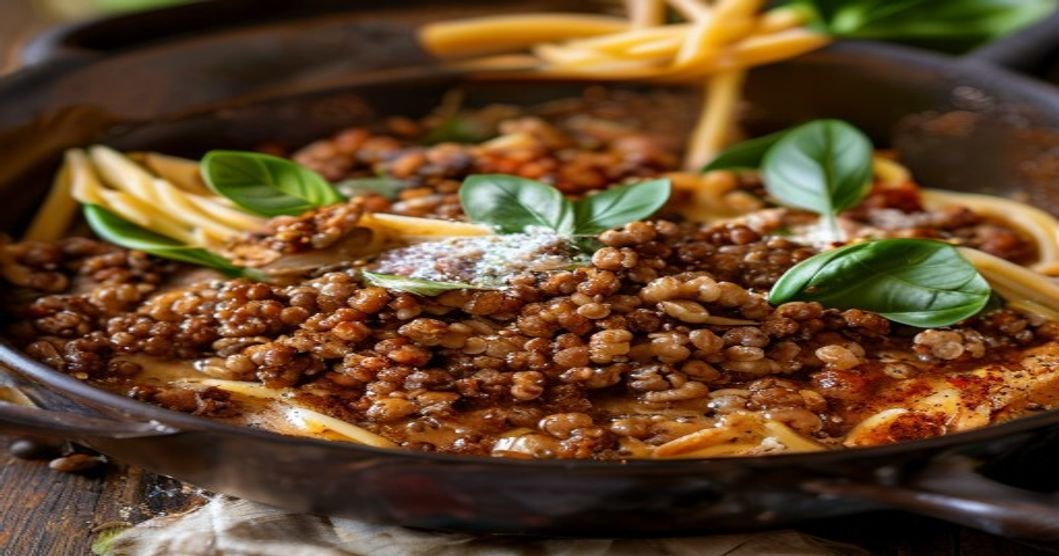
Plant-Based Lentil Walnut Bolognese: A Hearty, Protein-Packed Pasta Dish
If you’re looking for a delicious, nutrient-dense alternative to traditional meat-based Bolognese, this Plant-Based Lentil Walnut Bolognese is the perfect recipe for you. Packed with protein, fiber, and rich umami flavors, this dish is not only satisfying but also incredibly versatile. Whether you’re a committed vegan, a flexitarian, or simply looking to incorporate more plant-based meals into your diet, this lentil walnut Bolognese will become a staple in your kitchen.
In this guide, we’ll explore the benefits of this dish, provide a step-by-step recipe, share tips for customization, and explain why it’s a fantastic choice for both your health and the planet. Let’s dive in!
Why Choose a Plant-Based Bolognese?
Traditional Bolognese sauce is typically made with ground beef, pork, or a combination of both. While delicious, it’s not always the healthiest or most sustainable option. Here’s why a plant-based lentil walnut Bolognese is a fantastic alternative:
1. Nutrient-Dense and Protein-Packed
Lentils and walnuts are both excellent sources of plant-based protein. A single cup of cooked lentils provides about 18 grams of protein, while walnuts offer 4 grams per ounce. Together, they create a hearty, satisfying texture that rivals traditional meat-based sauces. Additionally, lentils are rich in iron, folate, and fiber, making this dish as nutritious as it is delicious.
2. Environmentally Friendly
Animal agriculture is a significant contributor to greenhouse gas emissions, deforestation, and water usage. By opting for plant-based proteins like lentils and walnuts, you’re reducing your carbon footprint and supporting a more sustainable food system. Lentils, in particular, require far less water and land to grow compared to beef or pork.
3. Budget-Friendly
Meat can be expensive, especially high-quality, grass-fed, or organic options. Lentils and walnuts, on the other hand, are affordable and have a long shelf life. This makes plant-based Bolognese a cost-effective choice for families and individuals alike.
4. Versatile and Customizable
One of the best things about this recipe is its versatility. You can easily swap ingredients based on dietary preferences, allergies, or what you have on hand. Whether you’re gluten-free, nut-free, or simply looking to experiment with flavors, this dish can be adapted to suit your needs.
The Perfect Lentil Walnut Bolognese Recipe
Now that you know why this dish is a winner, let’s get cooking! Below is a simple, foolproof recipe for Plant-Based Lentil Walnut Bolognese. This recipe serves 4-6 people and pairs beautifully with your favorite pasta, zucchini noodles, or even as a filling for lasagna.
Ingredients
- 1 cup dried brown or green lentils (or 2.5 cups cooked lentils)
- 1 cup walnuts, finely chopped (or pulsed in a food processor)
- 1 large onion, diced
- 3 garlic cloves, minced
- 2 medium carrots, finely diced
- 2 celery stalks, finely diced
- 1 red bell pepper, diced (optional for extra sweetness)
- 1 (28 oz) can crushed tomatoes
- 2 tbsp tomato paste
- 1 cup vegetable broth
- 1/4 cup soy sauce or tamari (for umami flavor)
- 2 tbsp balsamic vinegar
- 1 tbsp Italian seasoning
- 1 tsp smoked paprika (optional for depth)
- 1/2 tsp red pepper flakes (optional for heat)
- Salt and black pepper to taste
- 2 tbsp olive oil
- Fresh basil or parsley for garnish
- 12 oz pasta of your choice (whole wheat, gluten-free, or regular)
Instructions
1. Cook the Lentils
If using dried lentils, rinse them thoroughly and cook according to package instructions (usually about 20-25 minutes in boiling water). Drain and set aside. If using canned lentils, simply drain and rinse them before adding to the sauce.
2. Prepare the Walnuts
In a food processor, pulse the walnuts until they resemble ground meat. Be careful not to over-process, or they’ll turn into walnut butter! Alternatively, you can chop them finely by hand.
3. Sauté the Vegetables
Heat the olive oil in a large pot or Dutch oven over medium heat. Add the onion, garlic, carrots, celery, and bell pepper (if using). Sauté for 5-7 minutes, or until the vegetables are softened and fragrant.
4. Build the Sauce
Add the chopped walnuts to the pot and stir for 2-3 minutes to toast them slightly. Next, add the tomato paste, crushed tomatoes, vegetable broth, soy sauce, balsamic vinegar, Italian seasoning, smoked paprika, and red pepper flakes. Stir well to combine.
5. Simmer and Thicken
Bring the sauce to a gentle simmer, then reduce the heat to low. Add the cooked lentils and stir to incorporate. Let the sauce simmer for 20-25 minutes, stirring occasionally, until it thickens to your desired consistency. If the sauce becomes too thick, add a splash of vegetable broth or water.
6. Season to Taste
Taste the sauce and adjust the seasoning as needed. Add more salt, pepper, or red pepper flakes if desired. For extra richness, stir in a tablespoon of nutritional yeast or a splash of plant-based cream.
7. Cook the Pasta
While the sauce is simmering, cook your pasta according to package instructions until al dente. Reserve 1/2 cup of pasta water before draining.
8. Combine and Serve
Add the cooked pasta to the pot with the Bolognese sauce and toss to coat. If the sauce is too thick, add a splash of the reserved pasta water to loosen it. Garnish with fresh basil or parsley and serve immediately.
Tips for the Best Lentil Walnut Bolognese
Want to take your Bolognese to the next level? Here are some expert tips to ensure it turns out perfectly every time:
1. Use High-Quality Ingredients
Since this dish relies on a few key ingredients, it’s worth using the best quality you can find. Opt for organic lentils, canned tomatoes with no added salt, and fresh herbs for the best flavor.
2. Don’t Skip the Umami Boosters
Umami is what gives traditional Bolognese its deep, savory flavor. To replicate this in a plant-based version, don’t skip the soy sauce, balsamic vinegar, or tomato paste. These ingredients add richness and complexity to the sauce.
3. Toast the Walnuts
Toasting the walnuts before adding them to the sauce enhances their nutty flavor and prevents them from becoming soggy. Be sure to stir them frequently to avoid burning.
4. Let the Sauce Simmer
Patience is key when making Bolognese. Allowing the sauce to simmer for at least 20 minutes helps the flavors meld together and creates a thicker, more luxurious texture.
5. Customize to Your Taste
This recipe is incredibly versatile. Here are a few ways to customize it:
- Nut-Free: Replace walnuts with mushrooms, sunflower seeds, or cooked quinoa for a nut-free version.
- Gluten-Free: Use tamari instead of soy sauce and serve with gluten-free pasta.
- Extra Veggies: Add diced zucchini, eggplant, or spinach for extra nutrients.
Ready to Cook? Jump to Ingredients
Or, start cooking now and enjoy a delicious, plant-based meal tonight!