
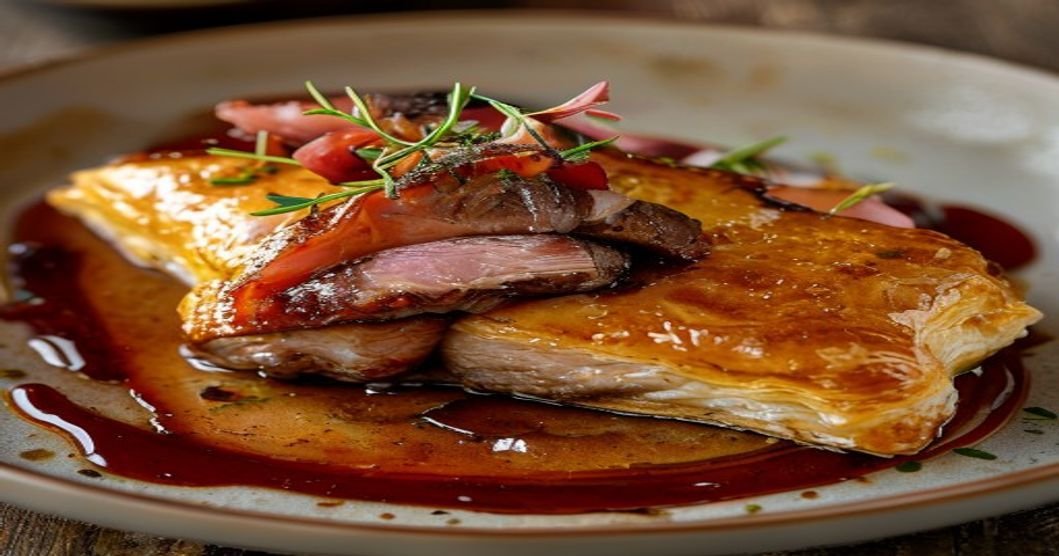
Classic Beef Wellington Hacks for Beginners: A Foolproof Guide
Beef Wellington is the ultimate showstopper for special occasions, but its reputation for being tricky can intimidate even experienced home cooks. Fear not! With these beginner-friendly hacks, you’ll master this elegant dish without the stress. From choosing the right cut to perfecting the puff pastry, we’ll break down each step so you can serve a restaurant-quality Beef Wellington with confidence.
Why Beef Wellington Deserves a Spot in Your Recipe Repertoire
Beef Wellington isn’t just a dish—it’s a culinary experience. Here’s why it’s worth the effort:
- Impressive Presentation: The golden, flaky pastry encasing tender beef is guaranteed to wow your guests.
- Rich, Complex Flavors: The combination of beef, mushroom duxelles, prosciutto, and puff pastry creates a symphony of taste and texture.
- Versatile for Occasions: Perfect for holidays, dinner parties, or romantic date nights.
- Make-Ahead Friendly: Many steps can be prepped in advance, reducing last-minute stress.
Essential Ingredients for Classic Beef Wellington
Before diving into the hacks, let’s cover the basics. Here’s what you’ll need:
The Beef
- Cut: Center-cut beef tenderloin (about 2–3 lbs). Avoid the tail end, as it’s thinner and cooks unevenly.
- Grade: USDA Choice or Prime for optimal tenderness and marbling.
- Size: Aim for a uniform thickness (about 2–3 inches) to ensure even cooking.
The Duxelles
- Mushrooms: 1 lb cremini or button mushrooms, finely chopped (a food processor works best).
- Shallots: 2–3 shallots, minced.
- Garlic: 2 cloves, minced.
- Herbs: 1 tbsp fresh thyme (or 1 tsp dried).
- Butter/Oil: 2 tbsp unsalted butter or olive oil for sautéing.
The Wrapping
- Prosciutto: 6–8 thin slices (about 4 oz).
- Puff Pastry: 1 sheet (about 14 oz) of all-butter puff pastry, thawed if frozen.
- Mustard: 2 tbsp Dijon mustard for the beef glaze.
Extras
- Egg Wash: 1 egg + 1 tbsp water, beaten.
- Salt & Pepper: To taste.
- Plastic Wrap: For shaping the beef.
Step-by-Step Beef Wellington Hacks for Beginners
Now, let’s tackle the process with foolproof hacks to simplify each step.
Hack 1: Prep the Beef Like a Pro
Problem: Uneven cooking or overcooking the beef.
Solution: Truss and sear the beef properly.
- Truss the Beef: Use kitchen twine to tie the tenderloin at 1-inch intervals. This ensures even cooking and a uniform shape.
- Sear the Beef:
- Pat the beef dry with paper towels (moisture prevents a good sear).
- Heat 1 tbsp oil in a skillet over high heat until smoking.
- Sear the beef on all sides (about 2 minutes per side) until deeply browned. Don’t overcrowd the pan!
- Brush the seared beef with Dijon mustard while still warm. Let it cool completely before wrapping.
Hack 2: Master the Mushroom Duxelles
Problem: Soggy duxelles or uneven texture.
Solution: Cook down the mushrooms properly and strain excess liquid.
- Pulse the Mushrooms: Use a food processor to finely chop the mushrooms (but don’t over-process into a paste).
- Sauté Low and Slow:
- Heat butter/oil in a skillet over medium-low heat.
- Add shallots and garlic, cooking until soft (about 3 minutes).
- Add mushrooms and thyme, cooking until all moisture evaporates (about 15–20 minutes).
- Season with salt and pepper, then spread on a plate to cool. Excess moisture = soggy Wellington!
- Strain if Needed: If the duxelles are still wet, spread them on a clean kitchen towel and squeeze out excess liquid.
Hack 3: Assemble with Confidence
Problem: Wrapping the beef tightly without tearing the pastry.
Solution: Use plastic wrap for a tight seal and neat presentation.
- Layer the Prosciutto:
- Lay plastic wrap on a clean surface.
- Arrange prosciutto slices in an overlapping layer (like shingles) to form a rectangle large enough to wrap the beef.
- Spread the cooled duxelles evenly over the prosciutto.
- Wrap the Beef:
- Place the seared beef in the center of the prosciutto-duxelles layer.
- Use the plastic wrap to tightly roll the beef, pressing gently to adhere the prosciutto and duxelles.
- Twist the ends of the plastic wrap to compact the roll, then chill for 15 minutes to set.
Hack 4: Puff Pastry Perfection
Problem: Pastry tearing or uneven browning.
Solution: Roll and wrap carefully, and use an egg wash for a golden finish.
- Roll the Pastry:
- On a lightly floured surface, roll the puff pastry into a 12×10-inch rectangle.
- Unwrap the chilled beef-prosciutto roll and place it in the center of the pastry.
- Wrap Tightly:
- Fold the pastry over the beef, trimming excess if needed.
- Seal the edges with a bit of egg wash (this acts as “glue”).
- Place the Wellington seam-side down on a parchment-lined baking sheet.
- Egg Wash: Brush the entire pastry with egg wash for a glossy, golden finish. Avoid pooling, as it can cause burning.
- Score the Pastry: Use a sharp knife to make shallow decorative cuts (e.g., diamonds or lines) on top. This allows steam to escape and prevents cracking.
Hack 5: Bake to Perfection
Problem: Overcooking the beef or undercooking the pastry.
Solution: Use a meat thermometer and monitor closely.
- Preheat the Oven: 400°F (200°C) for a hot, even bake.
- Bake Time:
- For medium-rare (recommended), bake until the internal temperature reaches 125–130°F (52–54°C), about 30–40 minutes.
- If the pastry browns too quickly, tent loosely with foil.
- Rest Before Slicing: Let the Wellington rest for 10–15 minutes after baking. This allows the juices to redistribute and the pastry to set.
Common Beef Wellington Mistakes (and How to Avoid Them)
Even with hacks, things can go wrong. Here’s how to troubleshoot:
Mistake 1: Soggy Bottom
Cause: Excess moisture from the duxelles or beef not being seared properly.
Fix: Ensure the duxelles is fully cooked down and dry before assembling. Pat the beef dry before searing to remove all moisture.
Mistake 2: Undercooked or Overcooked Beef
Cause: Not using a meat thermometer or misjudging bake time.
Fix: Invest in a meat thermometer and pull the Wellington at 125–130°F (52–54°C) for medium-rare. Remember, the temperature will rise 5–10°F while resting.
Mistake 3: Pastry Tears or Doesn’t Hold Its Shape
Cause: Overstuffing, improper wrapping, or not chilling before baking.
Fix: Avoid overfilling the pastry. Chill the wrapped Wellington for 15 minutes before baking to help it hold its shape.
Mistake 4: Dry Beef
Cause: Overcooking or not letting the beef rest after searing.
Fix: Sear the beef just until browned, then let it rest before wrapping. Avoid overcooking during baking by using a thermometer.
Pro Tips to Elevate Your Beef Wellington
- Dry Brine the Beef: Salt the beef 1–2 hours before cooking to enhance tenderness and flavor.
- Use a Wire Rack: Place the Wellington on a wire rack over a baking sheet during baking for even air circulation.
- Add a Layer of Pâté: For extra richness, spread a thin layer of liver pâté over the seared beef before wrapping.
- Make Ahead: Assemble the Wellington (unbaked) up to a day in advance and refrigerate. Bake just before serving.
- Garnish Creatively: Serve with roasted vegetables, a red wine reduction, or a simple arugula salad for a restaurant-worthy plate.
Ready to Master Beef Wellington?
With these hacks and tips, you’re now equipped to create a showstopping Beef Wellington that will impress even the toughest critics. Don’t let the complexity scare you—practice makes perfect, and each attempt will bring you closer to culinary excellence.
Your Turn: Share your Beef Wellington journey with us! Tag vegiplate.online on social media and let us know how it turned out. Happy cooking!