
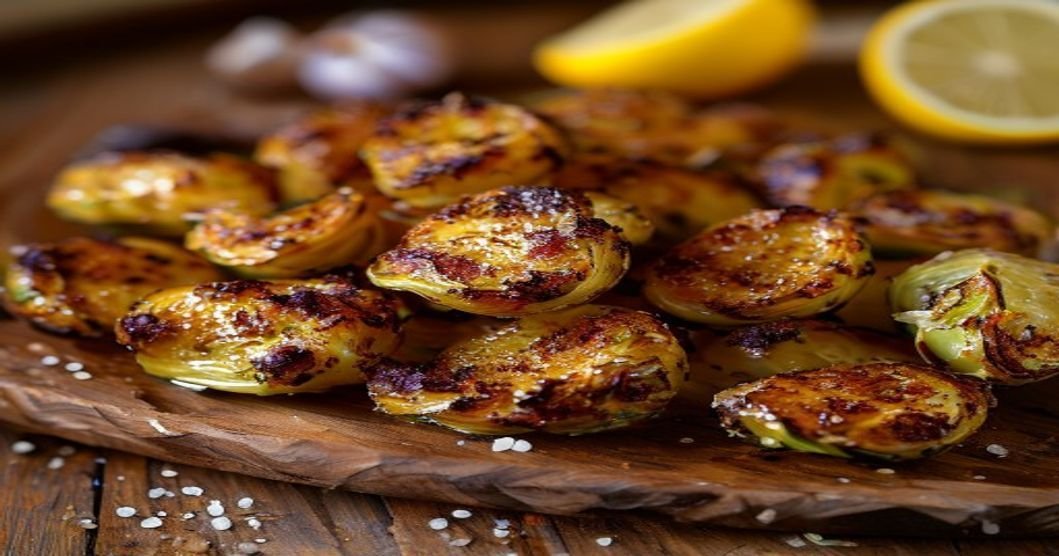
The Secret to Perfect Crispy Roasted Brussels Sprouts
Brussels sprouts often get a bad rap—especially among those who remember them as mushy, bitter side dishes from childhood. But here’s the truth: when roasted correctly, Brussels sprouts transform into crispy, caramelized bites of pure deliciousness.
The key lies in mastering a few simple techniques that elevate them from overlooked to outstanding. Whether you’re a seasoned chef or a home cook looking to impress, this guide will reveal the secrets to achieving perfectly crispy roasted Brussels sprouts every time.
Why Roasting Brussels Sprouts is a Game-Changer
Roasting Brussels sprouts is more than just a cooking method—it’s a flavor revolution. Unlike boiling or steaming, which can leave them soggy and bland, roasting intensifies their natural sweetness and creates a satisfying crunch.
The high heat of the oven caramelizes the natural sugars in the sprouts, while the dry environment ensures they crisp up rather than steam. The result? A dish that’s nutty, slightly sweet, and irresistibly crispy, with a texture that’s almost addictive.
But here’s the thing: not all roasted Brussels sprouts are created equal. The difference between mediocre and magnificent often comes down to a few critical steps—from preparation to timing. Let’s dive into the secrets that will turn your Brussels sprouts into the star of any meal.
The Ultimate Guide to Crispy Brussels Sprouts
1. Choose the Right Brussels Sprouts
The foundation of great roasted Brussels sprouts starts with selecting the right produce. Look for sprouts that are firm, bright green, and tightly closed. Avoid any that are wilted, yellowed, or have loose outer leaves, as these signs indicate age or poor quality.
Smaller sprouts tend to be sweeter and more tender, while larger ones can be tougher but still delicious when prepared correctly.
Pro tip: If you’re shopping at a farmers’ market or grocery store with a good produce section, ask the staff when the Brussels sprouts were delivered. Fresher is always better!
2. Prep Like a Pro: Trim and Cut for Maximum Crispiness
How you cut your Brussels sprouts plays a huge role in their final texture. The goal is to expose as much surface area as possible to the heat, which ensures even cooking and maximum crispiness. Here’s how to do it right:
- Trim the stem: Slice off the very bottom of the sprout (about ¼ inch) to remove any tough or woody bits. You can save these trimmings for vegetable stock!
- Halve or quarter: For smaller sprouts, cutting them in half is ideal. For larger ones, quarter them so each piece is roughly the same size. This ensures they cook evenly without burning.
- Loosen the leaves (optional): For extra crispiness, gently pull apart the layers of the sprout so the individual leaves separate slightly. This exposes more of the sprout to the heat, creating more crispy edges.
Why it works: Cutting the sprouts into even pieces ensures they cook at the same rate, while exposing more surface area allows for better caramelization and crispiness.
3. Dry Them Thoroughly: The Key to Crispiness
Moisture is the enemy of crispiness. Even a little dampness on the sprouts can steam them in the oven, leaving you with soggy results. After trimming and cutting, pat the Brussels sprouts dry with a clean kitchen towel or paper towels.
For extra insurance, let them air-dry for 10-15 minutes before seasoning and roasting. This step might seem tedious, but it makes a world of difference in the final texture.
4. Season Generously: Flavor is Everything
Brussels sprouts are naturally mild, so seasoning is crucial to bringing out their best flavors. While salt and pepper are non-negotiable, don’t be afraid to get creative with your seasonings. Here are some foolproof combinations:
- Classic: Toss the sprouts with olive oil, kosher salt, and freshly ground black pepper. Finish with a squeeze of lemon juice after roasting for brightness.
- Smoky and Spicy: Add smoked paprika, garlic powder, and a pinch of cayenne pepper for a smoky, slightly spicy kick.
- Herbaceous: Toss with olive oil, salt, and fresh herbs like thyme or rosemary before roasting. Finish with a sprinkle of grated Parmesan cheese.
- Asian-Inspired: Use sesame oil instead of olive oil, and season with soy sauce, minced garlic, ginger, and a drizzle of honey. Garnish with sesame seeds and sliced green onions.
Pro tip: Use kosher salt instead of table salt for better flavor distribution. And always taste your seasoning before roasting—you can always add more, but you can’t take it away!
5. Use the Right Fat: Oil Matters
The type of fat you use to coat your Brussels sprouts can impact both flavor and crispiness. Olive oil is the most popular choice, but it’s not the only option. Here’s a quick breakdown:
- Olive oil (extra virgin): Adds a rich, fruity flavor and helps achieve a beautiful caramelization. Use a high-quality oil for the best results.
- Avocado oil: Has a neutral flavor and a high smoke point, making it ideal for high-heat roasting.
- Coconut oil: Adds a subtle sweetness and works well in Asian-inspired dishes.
- Duck fat or bacon grease: For an indulgent twist, these fats add incredible depth of flavor and crispiness. Just use sparingly!
Pro tip: Use about 1-2 tablespoons of oil per pound of Brussels sprouts. Toss them well so every piece is evenly coated—this is crucial for even cooking and maximum crispiness.
6. Roast at High Heat: The Sweet Spot for Crispiness
The oven temperature is one of the most critical factors in achieving crispy Brussels sprouts. A high heat (around 425°F to 450°F) is ideal because it:
- Caramelizes the natural sugars quickly, enhancing sweetness.
- Encourages browning and crispiness on the edges.
- Reduces the risk of the sprouts steaming in their own moisture.
Here’s the step-by-step roasting process:
- Preheat your oven: Make sure it’s fully preheated to 425°F (or 450°F if you prefer extra crispiness).
- Spread evenly on a baking sheet: Use a rimmed baking sheet lined with parchment paper or a silicone baking mat. Avoid overcrowding the pan—give the sprouts some space so they can crisp up rather than steam. If needed, use two pans or roast in batches.
- Roast for 20-30 minutes: Toss the sprouts halfway through cooking to ensure even browning. They’re done when they’re deeply golden brown, crispy on the edges, and tender in the center. The exact time will depend on the size of your sprouts and your oven, so keep an eye on them!
- Finish with a flourish: Once out of the oven, give them a final toss with a bit more salt, a squeeze of lemon juice, or a sprinkle of cheese. Fresh herbs like parsley or chives also add a pop of color and flavor.
Pro tip: If your oven runs hot, check the sprouts at the 20-minute mark to avoid burning. Conversely, if your oven runs cool, they may need closer to 30 minutes.
Troubleshooting: How to Fix Common Brussels Sprouts Mistakes
Even the best cooks encounter hiccups, but don’t worry—we’ve got solutions for the most common Brussels sprouts mishaps:
- Sprouts are soggy: This usually happens if they weren’t dry enough before roasting or if they were overcrowded on the baking sheet. To fix, roast them a bit longer at a higher temperature to evaporate excess moisture. For next time, be sure to pat them dry thoroughly and spread them in a single layer.
- Sprouts are burnt: This can happen if your oven runs hot or if they’re too close to the heating element. To prevent burning, reduce the oven temperature slightly and place the baking sheet on the middle rack. If they’re already burnt, salvage what you can by trimming off the burnt edges and serving the rest with a creamy sauce or dip.
- Sprouts are undercooked: If they’re still tough in the center, they likely need more time in the oven. Roast them for an additional 5-10 minutes, checking frequently to avoid overcooking. You can also cut larger pieces in half to ensure even cooking.
- Sprouts lack flavor: If your sprouts taste bland, it’s likely due to under-seasoning. Toss them with a bit more salt, pepper, or your favorite seasoning blend before roasting. You can also finish them with a drizzle of balsamic glaze, a sprinkle of grated cheese, or a squeeze of fresh lemon juice after cooking.
Ready to Master Crispy Brussels Sprouts?
Now that you know the secrets to perfectly crispy roasted Brussels sprouts, it’s time to put your skills to the test! Whether you’re cooking for a weeknight dinner or a special occasion, these techniques will ensure your sprouts are always a hit.
Don’t forget to experiment with different seasonings and fats to find your favorite flavor combinations. And if you’re feeling adventurous, try adding other ingredients like diced bacon, chopped nuts, or dried cranberries for extra texture and flavor.
Share your creations with us on social media using the hashtag #PerfectBrusselsSprouts—we’d love to see your delicious results!