
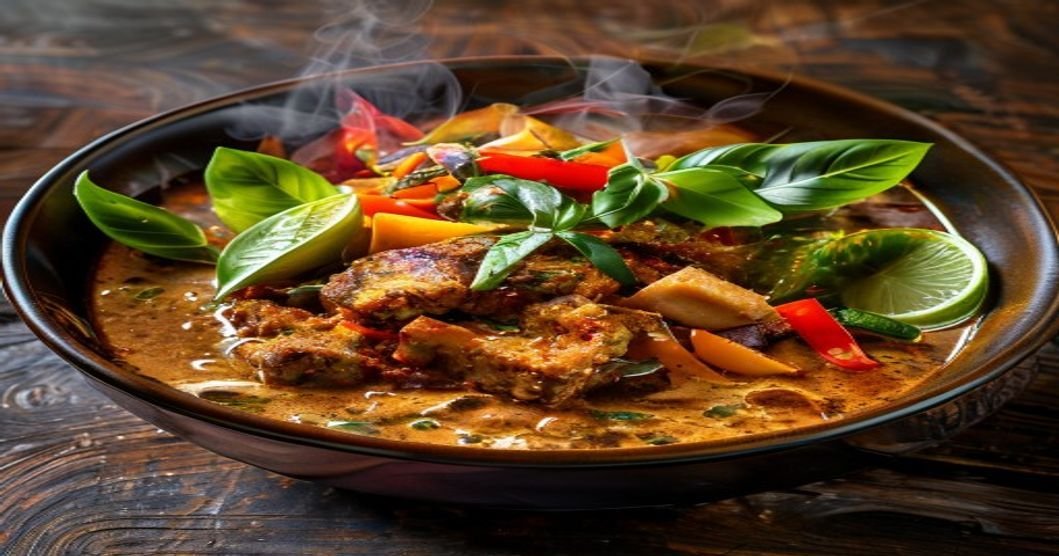
15-Minute Vegan Panang Curry with Tofu: Quick, Flavorful & Nutritious
Craving a restaurant-quality Thai curry but short on time? This 15-Minute Vegan Panang Curry with Tofu is your answer. Packed with rich, creamy flavors and a perfect balance of spice, this dish delivers authentic taste without the hours of simmering. Whether you’re a busy professional, a health-conscious foodie, or a vegan looking for a quick yet satisfying meal, this recipe is designed for you.
In this guide, we’ll walk you through a foolproof method to create a delicious Panang curry in under 15 minutes. You’ll learn about the best ingredients, time-saving tips, and how to customize it to your taste. Plus, we’ll share why this dish is not only a flavor bomb but also a nutrient-dense powerhouse.
Why You’ll Love This 15-Minute Vegan Panang Curry
Panang curry is a beloved Thai dish known for its thick, coconut-based sauce and a slightly sweeter, nuttier flavor compared to other curries like red or green. Traditionally made with meat, this vegan version swaps in crispy tofu for a protein-packed, plant-based alternative. Here’s why this recipe stands out:
- Lightning-Fast: Ready in just 15 minutes, making it perfect for weeknight dinners.
- Flavor-Packed: Aromatic lemongrass, galangal (or ginger), kaffir lime leaves, and Panang curry paste create a depth of flavor that rivals your favorite Thai restaurant.
- Creamy & Comforting: Coconut milk lends a luxurious, velvety texture that’s hard to resist.
- Nutrient-Dense: Loaded with plant-based protein, fiber, and healthy fats from tofu, vegetables, and coconut milk.
- Customizable: Swap in your favorite veggies or proteins to make it your own.
- Diet-Friendly: Naturally vegan, gluten-free (if using tamari), and dairy-free.
Ingredients You’ll Need
To make this quick vegan Panang curry, you’ll need a mix of pantry staples and fresh ingredients. Here’s what to gather:
For the Curry:
- 1 block (14 oz) extra-firm tofu, pressed and cubed
- 2 tbsp coconut oil (or neutral oil like avocado oil)
- 3 tbsp Panang curry paste (ensure it’s vegan; brands like Maesri or Thai Kitchen work well)
- 1 can (13.5 oz) full-fat coconut milk
- 1 cup vegetable broth (or water in a pinch)
- 1 tbsp soy sauce or tamari (for gluten-free)
- 1 tbsp coconut sugar or brown sugar
- 1 tbsp lime juice (freshly squeezed)
- 1 kaffir lime leaf (optional but recommended for authentic flavor)
- 1 stalk lemongrass, bruised and cut into 2-inch pieces (or 1 tbsp lemongrass paste)
- 1-inch piece galangal or ginger, sliced (galangal is traditional but ginger works too)
For the Vegetables (Pick 3-4):
- 1 red bell pepper, thinly sliced
- 1 cup broccoli florets
- 1 small zucchini, sliced
- 1 cup snap peas or snow peas
- 1 small eggplant, cubed (optional, adds a meaty texture)
- 1 cup baby spinach or bok choy (added at the end)
For Garnish:
- Fresh cilantro, chopped
- Thinly sliced red chili or chili flakes
- Lime wedges
- Crushed peanuts (for that classic Panang crunch)
- Fresh Thai basil leaves (optional but delicious)
Step-by-Step Instructions
1. Prep the Tofu
Tofu is the star protein in this dish, but it needs a little prep to shine. Here’s how to make it crispy and flavorful:
- Press the tofu: Wrap the block of tofu in a clean kitchen towel or paper towels. Place a heavy object (like a cast-iron skillet) on top for 10-15 minutes to remove excess water. This step is crucial for achieving crispy tofu.
- Cube the tofu: Cut the pressed tofu into 1-inch cubes.
- Pan-fry the tofu: Heat 1 tbsp of coconut oil in a large skillet or wok over medium-high heat. Add the tofu cubes and cook for 3-4 minutes on each side until golden and crispy. Remove from the pan and set aside.
2. Sauté the Aromatics
The base of any great curry is its aromatics. This is where the magic happens:
- In the same pan, add the remaining 1 tbsp of coconut oil. Heat over medium heat.
- Add the Panang curry paste and sauté for 1-2 minutes until fragrant. This step wakes up the flavors in the paste.
- Add the lemongrass, galangal (or ginger), and kaffir lime leaf. Sauté for another minute to infuse the oil with their aromatic goodness.
3. Build the Curry Sauce
Now it’s time to create the creamy, flavorful sauce:
- Pour in about 1/4 cup of the coconut milk (reserve the rest for later). Stir well to combine with the curry paste, creating a smooth, fragrant base.
- Add the vegetable broth, soy sauce, and coconut sugar. Stir and let it simmer for 2 minutes.
- Pour in the remaining coconut milk and stir well. Let the sauce simmer gently for 3-4 minutes until slightly thickened.
4. Add the Vegetables
Choose your veggies and add them in stages based on their cooking time:
- Start with harder vegetables like bell peppers, broccoli, or eggplant. Add them to the pan and cook for 3-4 minutes.
- Next, add softer vegetables like zucchini or snap peas. Cook for another 2 minutes.
- Finally, stir in the baby spinach or bok choy and cook until just wilted (about 1 minute).
5. Finish the Curry
It’s time to bring it all together:
- Add the crispy tofu back into the pan and gently stir to coat it in the sauce.
- Squeeze in the lime juice and give everything a final stir.
- Taste and adjust the seasoning if needed. You can add more soy sauce for saltiness, coconut sugar for sweetness, or lime juice for acidity.
6. Serve and Enjoy!
Your 15-minute vegan Panang curry is ready to serve. Here’s how to plate it like a pro:
- Ladle the curry into bowls over a bed of jasmine rice, brown rice, or cauliflower rice.
- Garnish with fresh cilantro, crushed peanuts, chili flakes, and lime wedges.
- Serve with extra lime wedges on the side for squeezing over the top.
Pro Tips for the Best Panang Curry
Want to take your curry to the next level? Here are some expert tips:
1. Choose the Right Curry Paste
Not all curry pastes are created equal. For the best flavor, use a high-quality Panang curry paste. Look for brands that list lemongrass, galangal, and kaffir lime leaves as the first few ingredients. Avoid pastes with artificial additives or excessive salt. If you can’t find Panang curry paste, red curry paste is a decent substitute, but the flavor won’t be quite the same.
2. Press Your Tofu Like a Pro
Pressing tofu removes excess water, allowing it to crisp up beautifully in the pan. If you’re short on time, use a tofu press or wrap the tofu in a towel and place it between two plates with a heavy object on top. For even crispier tofu, toss the cubes in 1 tbsp of cornstarch before frying.
3. Use Full-Fat Coconut Milk
For the creamiest, most luxurious curry, always use full-fat coconut milk. Light coconut milk lacks the richness and can make your curry taste watery. Shake the can well before opening to ensure the coconut cream is evenly distributed.
4. Balance the Flavors
Thai cuisine is all about balance—sweet, salty, sour, and spicy. Taste your curry as you go and adjust the flavors accordingly. If it’s too spicy, add a little more coconut milk or sugar. If it’s too sweet, a splash of lime juice or soy sauce can help. Don’t be afraid to experiment!
5. Don’t Overcook the Vegetables
To keep your veggies crisp and vibrant, add them in stages based on their cooking time. Harder vegetables like carrots or broccoli should go in first, while softer ones like spinach or zucchini should be added toward the end. This ensures everything is perfectly cooked without turning mushy.
6. Make It Ahead
This curry tastes even better the next day as the flavors have time to meld together. Store leftovers in an airtight container in the fridge for up to 4 days. Reheat gently on the stove or in the microwave, adding a splash of water or coconut milk if the sauce has thickened too much.
Nutritional Benefits of This Vegan Panang Curry
Beyond its incredible taste, this 15-minute vegan Panang curry is a nutritional powerhouse. Here’s why it’s good for you:
1. Plant-Based Protein
Tofu is an excellent source of complete plant-based protein, providing all nine essential amino acids. A 14 oz block of tofu contains about 20-30 grams of protein, making this curry a great option for vegans and vegetarians looking to meet their protein needs.
2. Healthy Fats
Coconut milk is rich in medium-chain triglycerides (MCTs), a type of healthy fat that’s easily metabolized by the body for energy. These fats can support brain health, boost metabolism, and even aid in weight management when consumed in moderation.
3. Fiber-Rich Vegetables
The vegetables in this curry provide a hefty dose of dietary fiber, which supports digestion, gut health, and keeps you feeling full longer. Fiber also helps regulate blood sugar levels, making this dish a great option for those managing diabetes or insulin resistance.
4. Antioxidant-Packed Spices
The spices in Panang curry paste, such as turmeric, cumin, and coriander, are loaded with antioxidants. These compounds help fight inflammation, protect against chronic diseases, and support overall health. Lemongrass and galangal also have antimicrobial and anti-inflammatory properties.
5. Low in Calories, High in Flavor
Despite its rich, creamy texture, this curry is relatively low in calories compared to its meat-based counterparts. A serving (without rice) contains approximately 300-350 calories, making it a great option for those watching their calorie intake without sacrificing flavor.
Variations to Try
One of the best things about this recipe is its versatility. Here are a few ways to switch it up:
1. Protein Swaps
- Chickpeas: Swap tofu for chickpeas for a heartier, fiber-rich option. Use 1 can of chickpeas, drained and rinsed.
- Tempeh: For a nuttier flavor and extra protein, use crumbled tempeh instead of tofu.
- Seitan: If you’re not gluten-free, seitan is a great meaty alternative that soaks up flavors beautifully.
2. Vegetable Swaps
- Sweet Potato: Add cubed sweet potato for a touch of natural sweetness and extra vitamins.
- Mushrooms: Shiitake or oyster mushrooms add a meaty texture and umami flavor.
- Cauliflower: Cauliflower florets are a great low-carb option that pairs well with the curry sauce.
3. Spice Level Adjustments
- Mild: Reduce the amount of curry paste or remove the seeds from the chili peppers in the paste.
- Extra Spicy: Add sliced Thai bird’s eye chilies or a dash of cayenne pepper for an extra kick.
4. Creamier Version
For an even creamier curry, blend 1/4 cup of cashews with 1/2 cup of water until smooth, then stir it into the curry at the end. This adds a rich, velvety texture without dairy.
Serving Suggestions
This vegan Panang curry is delicious on its own, but pairing it with the right sides can take your meal to the next level. Here are some ideas:
1. Rice Options
- Jasmine Rice: The fragrant, slightly sticky texture of jasmine rice is the classic pairing for Thai curries.
- Brown Rice: For a fiber-rich, whole-grain option, use brown rice. It has a nuttier flavor and chewier texture.
- Cauliflower Rice: For a low-carb, grain-free option, serve the curry over cauliflower rice.
- Quinoa: Quinoa is a protein-packed alternative that adds a nice texture contrast.
2. Side Dishes
- Thai Cucumber Salad: A refreshing, tangy salad balances the richness of the curry.
- Spring Rolls: Crispy vegan spring rolls add a fun, crunchy element to the meal.
- Mango Salad: The sweet and spicy flavors of Thai mango salad complement the curry beautifully.
- Steamed Greens: Simple steamed bok choy or broccolini make a light, healthy side.
3. Toppings
Don’t skip the toppings! They add texture, freshness, and extra flavor. Here are some ideas:
- Fresh Herbs: Cilantro, Thai basil, or mint add a burst of freshness.
- Crunchy Elements: Crushed peanuts, toasted coconut flakes, or fried shallots add texture.
- Spicy Kicks: Chili flakes, sliced red chili, or a drizzle of sriracha for heat lovers.
- Acidic Brightness: Lime wedges or a splash of rice vinegar to cut through the richness.
Frequently Asked Questions
1. Can I make this curry ahead of time?
Absolutely! This curry tastes even better the next day as the flavors have time to meld together. Store it in an airtight container in the fridge for up to 4 days. Reheat gently on the stove or in the microwave, adding a splash of water or coconut milk if the sauce has thickened too much.
2. Can I freeze this curry?
Yes, you can freeze this curry for up to 3 months. Let it cool completely before transferring it to a freezer-safe container. To reheat, thaw it overnight in the fridge and warm it on the stove over low heat, stirring occasionally. Note that the texture of the tofu may change slightly after freezing, but the flavor will still be delicious.
3. What’s the difference between Panang and red curry?
Panang curry is thicker, sweeter, and nuttier than red curry. It typically contains peanuts or peanut butter, which gives it a distinct flavor and texture. Red curry, on the other hand, is thinner and spicier, with a more straightforward chili flavor. If you can’t find Panang curry paste, you can use red curry paste, but the flavor won’t be exactly the same.
4. Is this curry gluten-free?
This recipe is naturally gluten-free as long as you use tamari or gluten-free soy sauce and ensure your curry paste is gluten-free. Always check the labels of your ingredients to be safe.
5. Can I make this curry without coconut milk?
Coconut milk is a key ingredient in Panang curry, providing its signature creamy texture and flavor. If you’re allergic to coconut or prefer not to use it, you can substitute it with a cashew cream (blend soaked cashews with water until smooth) or a silken tofu puree. However, the flavor and texture won’t be identical.
6. How can I make this curry less spicy?
To reduce the heat, use less curry paste or choose a mild curry paste. You can also remove the seeds from any chili peppers in the paste. Adding more coconut milk or a touch of coconut sugar can also help balance the spice.
Final Thoughts: Why This Recipe Is a Game-Changer
This 15-Minute Vegan Panang Curry with Tofu is more than just a quick meal—it’s a flavor-packed, nutrient-dense dish that proves vegan cooking can be fast, easy, and incredibly satisfying. Whether you’re a seasoned vegan or just looking to incorporate more plant-based meals into your diet, this recipe is a must-try.
With its aromatic spices, creamy coconut sauce, and crispy tofu, this curry is sure to become a staple in your weeknight dinner rotation. Plus, it’s endlessly customizable, so you can make it your own with your favorite vegetables and proteins.
So why wait? Gather your ingredients, set a timer for 15 minutes, and get ready to enjoy a restaurant-quality Thai curry in the comfort of your own home. Your taste buds (and your busy schedule) will thank you!
Call to Action: Try It Today!
Ready to whip up this delicious vegan Panang curry? Here’s what to do next:
- Gather your ingredients: Check the list above and make sure you have everything on hand. If you’re missing something, most ingredients can be found at your local grocery store or Asian market.
- Set aside 15 minutes: Clear your schedule and get ready to cook. This recipe is designed to be quick, so don’t worry about spending hours in the kitchen.
- Follow the steps: Refer back to the instructions above and follow them closely. Don’t forget to taste as you go and adjust the seasoning to your liking.
- Share your creation: Once you’ve made this curry, snap a photo and share it on social media. Tag us @[YourBlogName] and use the hashtag #15MinuteVeganPanangCurry so we can see your delicious results!
- Leave a comment: Let us know how it turned out. Did you make any substitutions? What’s your favorite part of the recipe? We’d love to hear from you!
And if you loved this recipe, be sure to subscribe to our newsletter for more quick, healthy, and flavorful vegan recipes delivered straight to your inbox. Happy cooking!