The Hidden-Veggie Pasta Sauce Your Kids Will Actually Beg For
Getting kids to eat their vegetables can feel like an uphill battle. Between picky eaters, busy schedules, and the allure of less nutritious options, parents often struggle to ensure their little ones get the vitamins and minerals they need. But what if there was a way to sneak those veggies into a meal they already love—without the drama?
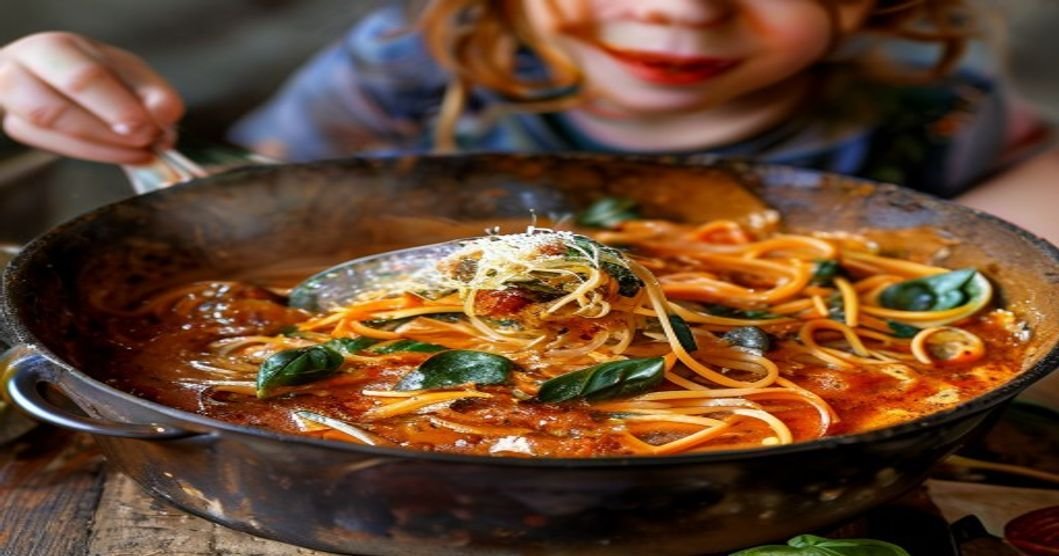
Enter the hidden-veggie pasta sauce, a game-changer for parents and a delicious win for kids. This recipe is packed with nutrients, easy to make, and, best of all, so tasty that your kids will ask for seconds. Below, we’ll dive into why this sauce works, how to make it, and tips for customizing it to suit your family’s tastes.
Why Hidden-Veggie Pasta Sauce Works
Kids can be notoriously suspicious of anything green or “healthy” on their plates. The beauty of a hidden-veggie pasta sauce lies in its ability to blend seamlessly into a familiar dish while delivering a nutritional punch. Here’s why this approach is a winner:
1. Nutrient-Dense Without the Fight
Vegetables like carrots, bell peppers, zucchini, and spinach are rich in vitamins A, C, and K, as well as fiber and antioxidants. By pureeing them into a sauce, you’re ensuring your kids get these nutrients without the usual resistance. Even the pickiest eaters won’t detect the veggies when they’re blended into a smooth, flavorful sauce.
2. Versatile and Customizable
This sauce isn’t a one-size-fits-all recipe. You can swap in different vegetables based on what’s in season, what you have on hand, or what your kids prefer. Love sweet potatoes? Toss them in. Have a surplus of mushrooms? They’ll add a rich, umami flavor. The possibilities are endless.
3. Sneaky Hydration Boost
Many vegetables, like zucchini and tomatoes, have high water content. This means your hidden-veggie sauce can help keep your kids hydrated, especially if they’re not big water drinkers. It’s a win-win for their health and your peace of mind.
4. Budget-Friendly
Fresh vegetables can be affordable, especially when you buy them in season or opt for frozen varieties. Making a large batch of this sauce and freezing it in portions can save you time and money in the long run. No more last-minute takeout because you’re too tired to cook!
The Ultimate Hidden-Veggie Pasta Sauce Recipe
Now that you know why this sauce is a must-try, let’s get into the recipe. This version is a crowd-pleaser, but feel free to tweak it to suit your family’s preferences.
Ingredients
- 2 tablespoons olive oil
- 1 small onion, finely chopped
- 3 garlic cloves, minced
- 1 medium carrot, peeled and roughly chopped
- 1 red bell pepper, roughly chopped
- 1 medium zucchini, roughly chopped
- 1 cup fresh spinach (or frozen, thawed)
- 1 (28-ounce) can crushed tomatoes
- 1 (6-ounce) can tomato paste
- 1 teaspoon dried oregano
- 1 teaspoon dried basil
- ½ teaspoon salt (or to taste)
- ½ teaspoon black pepper
- 1 tablespoon balsamic vinegar (optional, for depth of flavor)
- 1 teaspoon sugar (optional, to balance acidity)
- ½ cup water or low-sodium vegetable broth (as needed for consistency)
Instructions
- Sauté the Aromatics: Heat the olive oil in a large pot over medium heat. Add the chopped onion and garlic, and sauté for 3-4 minutes until softened and fragrant.
- Add the Veggies: Toss in the carrot, bell pepper, and zucchini. Cook for 5-7 minutes, stirring occasionally, until the vegetables begin to soften. This step helps release their natural sweetness, making the sauce even more kid-friendly.
- Blend the Mixture: Transfer the sautéed vegetables to a blender or food processor. Add the spinach and blend until smooth. You may need to scrape down the sides a few times to ensure everything is well incorporated. If you prefer a chunkier sauce, you can skip this step and leave the veggies as-is.
- Combine and Simmer: Return the blended vegetable mixture to the pot. Add the crushed tomatoes, tomato paste, oregano, basil, salt, pepper, balsamic vinegar, and sugar (if using). Stir well to combine.
- Adjust Consistency: If the sauce is too thick, add water or vegetable broth, ¼ cup at a time, until you reach your desired consistency. Bring the sauce to a gentle simmer, then reduce the heat to low. Let it cook for 20-25 minutes, stirring occasionally, to allow the flavors to meld together.
- Taste and Adjust: Give the sauce a taste and adjust the seasoning if needed. You can add more salt, pepper, or herbs to suit your preferences.
- Serve or Store: Serve the sauce immediately over your favorite pasta, or let it cool and store it in airtight containers. It will keep in the fridge for up to 5 days or in the freezer for up to 3 months.
Tips for Success
Making a hidden-veggie pasta sauce is simple, but a few pro tips can take it to the next level. Here’s how to ensure your sauce is a hit every time:
1. Choose the Right Vegetables
Not all vegetables blend well into a pasta sauce. Stick to mild, naturally sweet, or neutral-tasting veggies like:
- Carrots
- Bell peppers (red or yellow for sweetness)
- Zucchini
- Spinach or kale
- Sweet potatoes
- Mushrooms (for a meaty texture)
- Cauliflower (for a creamy consistency)
Avoid strong-tasting vegetables like broccoli or Brussels sprouts, as they can overpower the sauce and make it less appealing to kids.
2. Blend Thoroughly
The key to a successful hidden-veggie sauce is a smooth texture. If your kids are particularly suspicious, blend the sauce until it’s completely smooth with no visible chunks. A high-powered blender or food processor works best for this.
3. Boost Flavor Without Overpowering
Kids have sensitive palates, so it’s important to enhance the sauce’s flavor without making it too strong. Here are a few ways to do that:
- Add a touch of sweetness: A teaspoon of sugar or a grated carrot can help balance the acidity of the tomatoes.
- Use herbs wisely: Dried oregano, basil, and thyme add depth without being overpowering. Fresh herbs like parsley or basil can be stirred in at the end for a pop of color and freshness.
- Incorporate umami: A splash of balsamic vinegar, a spoonful of tomato paste, or a sprinkle of Parmesan cheese can add richness to the sauce.
4. Get Creative with Serving Ideas
This sauce isn’t just for pasta! Here are a few other ways to serve it:
- Pizza sauce: Spread it on a homemade pizza crust and top with cheese and your kids’ favorite toppings.
- Dipping sauce: Serve it warm with breadsticks, garlic bread, or even chicken nuggets.
- Lasagna filling: Layer it with noodles, cheese, and ground meat (or lentils for a vegetarian option) for a nutrient-packed lasagna.
- Soup base: Thin it out with broth and add cooked pasta, beans, or shredded chicken for a quick and hearty soup.
5. Involve Your Kids in the Process
Kids are more likely to eat something they’ve helped make. Let them wash the vegetables, press buttons on the blender, or stir the sauce. You can even give the sauce a fun name like “Superhero Sauce” or “Dinosaur Drizzle” to make it more appealing.
6. Freeze for Later
This sauce freezes beautifully, so don’t hesitate to make a big batch. Portion it into freezer-safe containers or ice cube trays for easy single servings. When you’re ready to use it, thaw it in the fridge overnight or reheat it directly from frozen in a saucepan over low heat.
Nutritional Benefits of Hidden-Veggie Pasta Sauce
One of the biggest advantages of this sauce is its nutritional profile. Here’s a breakdown of the key nutrients your kids will get from a single serving (about ½ cup of sauce):
Vitamin A
Carrots, bell peppers, and spinach are all excellent sources of vitamin A, which supports healthy vision, immune function, and skin. One serving of this sauce can provide a significant portion of your child’s daily vitamin A needs.
Vitamin C
Bell peppers and tomatoes are packed with vitamin C, an antioxidant that helps boost the immune system, heal wounds, and absorb iron from plant-based foods.
Fiber
Vegetables like zucchini and spinach are rich in fiber, which aids digestion, keeps kids feeling full, and supports a healthy gut. A fiber-rich diet can also help prevent constipation, a common issue for little ones.
Potassium
Tomatoes and spinach are good sources of potassium, a mineral that helps regulate blood pressure, balance fluids in the body, and support muscle function.
Antioxidants
Many of the vegetables in this sauce, like bell peppers and tomatoes, are rich in antioxidants. These compounds help protect cells from damage and reduce inflammation, which is important for growing bodies.
Addressing Common Concerns
As a parent, you might have some questions or concerns about using hidden-veggie sauces. Here are a few common ones, along with answers to put your mind at ease:
1. “Will My Kids Notice the Veggies?”
If you blend the sauce thoroughly and choose mild-tasting vegetables, most kids won’t notice a thing. The natural sweetness of the carrots and bell peppers, combined with the acidity of the tomatoes, creates a balanced flavor that’s hard to resist. If your child is particularly suspicious, start with a small amount of sauce and gradually increase the veggie content over time.
2. “Is It Okay to Hide Vegetables from My Kids?”
This is a common concern among parents. While it’s important to encourage kids to eat vegetables in their whole form, hidden-veggie sauces can be a helpful tool, especially for picky eaters. Think of it as a way to supplement their diet with nutrients they might otherwise miss out on. Over time, you can introduce whole vegetables alongside the sauce to help them get used to different textures and flavors.
3. “What If My Child Has Allergies?”
If your child has food allergies, it’s important to choose vegetables and ingredients that are safe for them. For example, if they’re allergic to tomatoes, you can make a white sauce using cauliflower, zucchini, and a creamy base like Greek yogurt or coconut milk. Always double-check ingredient labels and consult with your pediatrician if you’re unsure.
4. “Can I Make This Sauce Ahead of Time?”
Absolutely! In fact, making a big batch of sauce ahead of time is a great way to save time during busy weeknights. The flavors often deepen after a day or two in the fridge, making the sauce even more delicious. Just be sure to store it in airtight containers and reheat it gently on the stove or in the microwave.
Final Thoughts: A Parent’s Secret Weapon
Parenting is full of challenges, but mealtime doesn’t have to be one of them. The hidden-veggie pasta sauce is a simple, effective way to ensure your kids get the nutrients they need while enjoying a meal they love. Whether you’re dealing with a picky eater, a busy schedule, or just looking for a way to make mealtime more nutritious, this sauce is a game-changer.
Remember, the goal isn’t to trick your kids into eating vegetables forever—it’s to give them the nutrients they need while they learn to enjoy a variety of foods. Over time, you can introduce whole vegetables alongside the sauce, helping them develop a taste for healthy eating that will last a lifetime.
Ready to Try It? Here’s Your Call to Action!
Now that you have the recipe and all the tips you need, it’s time to get cooking! Here’s what you can do next:
- Gather your ingredients: Check your fridge and pantry for the vegetables and spices you’ll need. If you’re missing something, add it to your grocery list.
- Set aside 30 minutes: This recipe is quick and easy, but it’s always helpful to have a little extra time, especially if you’re cooking with kids.
- Get your kids involved: Let them help with age-appropriate tasks, like washing veggies or pressing buttons on the blender. The more they’re involved, the more likely they are to eat the final product!
- Serve and enjoy: Toss the sauce with your kids’ favorite pasta, and watch as they ask for seconds (and maybe even thirds!).
- Share your success: Did your kids love the sauce? Share your experience in the comments below or tag us on social media with your photos. We’d love to hear how it went!
And if you’re looking for more kid-friendly recipes or tips for picky eaters, be sure to subscribe to our newsletter for weekly updates delivered straight to your inbox. Happy cooking!