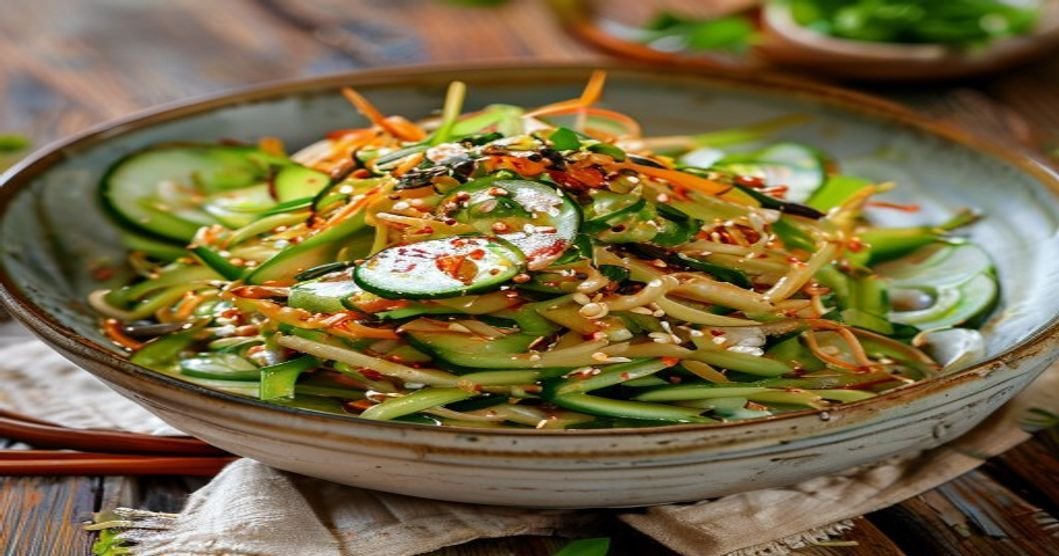
15-Minute Edamame and Soba Noodle Salad: Quick, Nutritious & Delicious
In today’s fast-paced world, finding time to prepare a healthy, satisfying meal can feel like a challenge. That’s where this 15-Minute Edamame and Soba Noodle Salad comes in—a vibrant, protein-packed dish that’s as quick to make as it is delicious to eat. Whether you’re meal prepping for the week, looking for a light lunch, or need a speedy dinner, this salad delivers on flavor, nutrition, and convenience.
Soba noodles, made from buckwheat, offer a nutty flavor and a satisfying chew, while edamame adds a boost of plant-based protein. Tossed with crisp vegetables and a tangy sesame-ginger dressing, this salad is a perfect balance of textures and tastes. Plus, it’s naturally gluten-free (if using 100% buckwheat soba), vegan, and packed with nutrients to keep you energized.
In this post, we’ll cover everything you need to know to make this salad a staple in your kitchen, including:
- Why this salad is a nutritional powerhouse
- A step-by-step recipe with pro tips
- Variations to customize the dish
- Meal prep and storage advice
- SEO-friendly serving suggestions
Why This Salad Is a Nutritional Powerhouse
Before diving into the recipe, let’s explore why this Edamame and Soba Noodle Salad is a smart choice for your health:
1. High in Plant-Based Protein
Edamame, young soybeans, are one of the few plant-based foods considered a complete protein, meaning they contain all nine essential amino acids. A half-cup serving provides around 8–10 grams of protein, making this salad an excellent option for vegetarians, vegans, or anyone looking to reduce their meat consumption.
2. Rich in Fiber for Digestive Health
Soba noodles, especially those made from 100% buckwheat, are a great source of dietary fiber. Fiber supports digestive health, helps regulate blood sugar levels, and keeps you feeling full longer. Combined with the fiber from edamame and vegetables, this salad is a gut-friendly meal.
3. Packed with Vitamins and Minerals
The colorful vegetables in this salad—such as bell peppers, carrots, and cucumbers—provide a range of vitamins and minerals, including:
- Vitamin C (for immune support and skin health)
- Vitamin K (for bone health and blood clotting)
- Folate (important for cell growth and metabolism)
- Potassium (for heart health and muscle function)
4. Heart-Healthy Fats from Sesame Dressing
The dressing for this salad is made with sesame oil, which contains heart-healthy monounsaturated and polyunsaturated fats. These fats can help reduce bad cholesterol levels and lower the risk of heart disease. Plus, sesame seeds are rich in antioxidants like sesamin, which has anti-inflammatory properties.
5. Low in Calories, High in Satisfaction
Despite being nutrient-dense, this salad is relatively low in calories, making it an ideal choice for those watching their calorie intake. The combination of protein, fiber, and healthy fats ensures you’ll feel satisfied without overindulging.
The Ultimate 15-Minute Edamame and Soba Noodle Salad Recipe
Now that you know why this salad is a nutritional superstar, let’s get cooking! This recipe serves 2–3 people and comes together in just 15 minutes. Here’s what you’ll need:
Ingredients
For the Salad:
- 8 oz (225g) soba noodles (ensure they’re 100% buckwheat if gluten-free is required)
- 1 cup shelled edamame (fresh or frozen)
- 1 medium red bell pepper, thinly sliced
- 1 medium carrot, julienned or grated
- 1 small cucumber, thinly sliced or diced
- 2 green onions, thinly sliced
- 2 tbsp fresh cilantro or parsley, chopped (optional)
- 1 tbsp toasted sesame seeds (for garnish)
For the Sesame-Ginger Dressing:
- 3 tbsp soy sauce (or tamari for gluten-free)
- 2 tbsp rice vinegar
- 1 tbsp sesame oil
- 1 tbsp honey or maple syrup (for vegan option)
- 1 tbsp fresh ginger, grated
- 1 clove garlic, minced
- 1 tsp sriracha or chili paste (optional, for heat)
- 1 tsp toasted sesame seeds (for extra flavor)
Instructions
Step 1: Cook the Soba Noodles
Bring a large pot of water to a boil. Add the soba noodles and cook according to the package instructions, usually 4–5 minutes. Soba noodles cook quickly, so keep an eye on them to avoid overcooking. Once done, drain the noodles and rinse them under cold water to stop the cooking process and remove excess starch. This step is crucial to prevent the noodles from sticking together.
Step 2: Prepare the Edamame
If using frozen edamame, cook it according to the package instructions (usually boiling for 3–4 minutes). Drain and rinse under cold water to cool. If using fresh edamame, simply shell and blanch in boiling water for 2–3 minutes before cooling.
Step 3: Chop the Vegetables
While the noodles and edamame are cooking, prep your vegetables. Thinly slice the red bell pepper and cucumber, julienne or grate the carrot, and thinly slice the green onions. Chop the cilantro or parsley if using. Having everything prepped ahead of time will make assembling the salad a breeze.
Step 4: Make the Dressing
In a small bowl, whisk together all the dressing ingredients: soy sauce, rice vinegar, sesame oil, honey (or maple syrup), grated ginger, minced garlic, sriracha (if using), and sesame seeds. Taste and adjust the seasoning if needed—you can add more honey for sweetness, soy sauce for saltiness, or vinegar for tang.
Step 5: Assemble the Salad
In a large bowl, combine the cooked and cooled soba noodles, edamame, bell pepper, carrot, cucumber, and green onions. Pour the dressing over the salad and toss gently to coat everything evenly. Sprinkle with toasted sesame seeds and chopped herbs for garnish.
Step 6: Serve and Enjoy!
This salad can be served immediately or chilled in the refrigerator for 30 minutes to let the flavors meld together. Enjoy it as a light lunch, dinner, or side dish!
Pro Tips for the Best Edamame and Soba Noodle Salad
Want to take your salad to the next level? Here are some expert tips to ensure it turns out perfectly every time:
1. Don’t Overcook the Soba Noodles
Soba noodles can become mushy if overcooked. Follow the package instructions and rinse them under cold water immediately after draining to stop the cooking process. This also helps remove excess starch, preventing a gummy texture.
2. Use Frozen Edamame for Convenience
Frozen edamame is a great time-saver and just as nutritious as fresh. Look for shelled edamame to skip the step of removing the beans from their pods. Simply boil or microwave according to the package instructions, then cool under cold water.
3. Customize the Vegetables
This salad is highly customizable! Swap in your favorite vegetables or use what you have on hand. Some great additions include:
- Shredded red cabbage (for crunch and color)
- Avocado (for creaminess and healthy fats)
- Snap peas or snow peas (for extra crunch)
- Radishes (for a peppery bite)
4. Make the Dressing Ahead of Time
The sesame-ginger dressing can be made up to 3 days in advance and stored in the refrigerator. This not only saves time but also allows the flavors to develop. Give it a good whisk before using, as the ingredients may separate.
5. Add a Protein Boost
While this salad is already protein-rich, you can add even more by including:
- Grilled chicken or shrimp (for a non-vegetarian option)
- Tofu or tempeh (for extra plant-based protein)
- Hard-boiled eggs (for a quick protein addition)
6. Serve Chilled or at Room Temperature
This salad tastes great both chilled and at room temperature, making it perfect for picnics, potlucks, or packed lunches. If serving chilled, let it sit in the refrigerator for at least 30 minutes to allow the flavors to meld.
Variations to Keep It Exciting
One of the best things about this Edamame and Soba Noodle Salad is how versatile it is. Here are a few variations to keep your meals exciting:
1. Spicy Peanut Soba Noodle Salad
Swap the sesame-ginger dressing for a peanut sauce by blending:
- 3 tbsp peanut butter
- 2 tbsp soy sauce
- 1 tbsp rice vinegar
- 1 tbsp honey or maple syrup
- 1 tbsp sesame oil
- 1 clove garlic
- 1 tsp grated ginger
- 1–2 tbsp water (to thin as needed)
- Sriracha or chili flakes to taste
Toss the salad with the peanut sauce and top with crushed peanuts for extra crunch.
2. Asian-Inspired Soba Noodle Bowl
Turn this salad into a hearty bowl by adding:
- Steamed or roasted broccoli
- Sliced avocado
- Pickled ginger
- Nori strips (for a seaweed flavor)
- Soft-boiled egg or tofu
3. Citrusy Miso Soba Salad
For a bright, umami-packed twist, replace the sesame-ginger dressing with a miso dressing:
- 2 tbsp white miso paste
- 2 tbsp rice vinegar
- 1 tbsp sesame oil
- 1 tbsp honey or maple syrup
- 1 tbsp fresh orange juice
- 1 tsp grated ginger
- 1 clove garlic, minced
Whisk the ingredients together and toss with the salad. Garnish with orange zest for a pop of color and flavor.
Meal Prep and Storage Tips
This Edamame and Soba Noodle Salad is perfect for meal prep! Here’s how to store it for maximum freshness:
1. Store in Airtight Containers
Divide the salad into airtight containers and store in the refrigerator for up to 3–4 days. If possible, store the dressing separately and add it just before eating to prevent the noodles from becoming soggy.
2. Keep Vegetables Crisp
To maintain the crunch of the vegetables, store them separately from the noodles and edamame until ready to eat. Alternatively, pack the salad in layers with the dressing at the bottom and the noodles and vegetables on top.
3. Freeze for Longer Storage
While this salad is best enjoyed fresh, you can freeze the cooked soba noodles and edamame for up to 1 month. Thaw in the refrigerator overnight and assemble the salad with fresh vegetables and dressing when ready to eat.
4. Revive Leftovers
If the salad loses its freshness after a day or two, revive it by tossing with a splash of rice vinegar or lemon juice and a drizzle of sesame oil. You can also add fresh herbs or vegetables to brighten it up.
Serving Suggestions for SEO-Friendly Meals
Looking for ways to incorporate this Edamame and Soba Noodle Salad into your meal plan? Here are some SEO-optimized serving suggestions to attract more readers:
1. Quick Weeknight Dinner
Serve this salad as a light yet satisfying dinner alongside a protein like grilled chicken, tofu, or shrimp. Pair it with a side of miso soup or steamed dumplings for a complete meal. This is a great option for busy weeknights when you want something healthy without spending hours in the kitchen.
2. Meal Prep Lunch
Pack this salad for lunch to enjoy at work or school. It’s easy to transport and stays fresh for several days when stored properly. Pair it with a hard-boiled egg, hummus, or a handful of nuts for extra staying power.
3. Potluck or Picnic Dish
This salad is a crowd-pleaser at potlucks, picnics, or BBQs. It’s easy to double or triple the recipe, and it tastes great at room temperature. Serve it in a large bowl with extra dressing on the side for guests to customize their portions.
4. Side Dish for Asian-Inspired Meals
Pair this salad with other Asian-inspired dishes like teriyaki salmon, stir-fried vegetables, or pork dumplings. The flavors complement each other beautifully, and the salad adds a refreshing contrast to richer dishes.
5. Post-Workout Recovery Meal
With its balance of protein, complex carbohydrates, and healthy fats, this salad is an excellent post-workout meal. The edamame and soba noodles help replenish glycogen stores, while the vegetables provide essential vitamins and minerals for recovery.
Frequently Asked Questions (FAQs)
1. Can I make this salad gluten-free?
Yes! To make this salad gluten-free, use 100% buckwheat soba noodles and ensure your soy sauce is labeled gluten-free (tamari). Always check the labels of other ingredients, such as edamame and rice vinegar, to ensure they’re gluten-free as well.
2. Can I use other types of noodles?
While soba noodles are traditional for this recipe, you can substitute them with other noodles if needed. Some good alternatives include:
- Rice noodles (for a gluten-free option)
- Whole wheat spaghetti (for a heartier texture)
- Shirataki noodles (for a low-carb option)
Keep in mind that the cooking time and texture may vary depending on the noodles you choose.
3. How can I make this salad more filling?
To make this salad more substantial, add a source of protein or healthy fats. Some great options include:
- Grilled chicken, shrimp, or tofu
- Avocado slices
- Hard-boiled eggs
- Roasted chickpeas or edamame
- Nuts or seeds (e.g., almonds, cashews, or sunflower seeds)
4. Can I make this salad ahead of time?
Absolutely! This salad is perfect for meal prep and can be made 1–2 days ahead of time. Store it in the refrigerator in an airtight container, and keep the dressing separate until ready to serve to prevent the noodles from becoming soggy.
5. What can I use instead of edamame?
If you can’t find edamame or prefer not to use it, you can substitute it with other protein-rich ingredients such as:
- Chickpeas (for a budget-friendly option)
- Lentils (for a hearty texture)
- Fava beans (for a similar texture to edamame)
- Peas (for a sweeter flavor)
Final Thoughts: Why You’ll Love This Salad
This 15-Minute Edamame and Soba Noodle Salad is a game-changer for anyone looking to eat healthy without sacrificing flavor or convenience. It’s:
- Quick and easy to prepare, making it perfect for busy weeknights.
- Nutrient-dense, packed with protein, fiber, vitamins, and minerals.
- Versatile, allowing you to customize it with your favorite ingredients.
- Meal-prep friendly, so you can enjoy it all week long.
Whether you’re a seasoned home cook or a beginner in the kitchen, this salad is a must-try. It’s a delicious way to incorporate more plant-based meals into your diet while keeping things exciting and flavorful.
Call to Action: Try It Today!
Ready to whip up this quick, nutritious, and delicious salad? Here’s what to do next:
- Gather your ingredients—most of them are likely already in your pantry or fridge!
- Follow the step-by-step recipe above and customize it to your taste.
- Share your creation on social media and tag us—we’d love to see your version!
- Save this recipe for later by bookmarking this page or pinning it to your Pinterest board.
- Leave a comment below with your thoughts, variations, or questions. We’re here to help!
Don’t wait—your taste buds (and your body) will thank you for this flavorful, nutrient-packed meal. Happy cooking!


