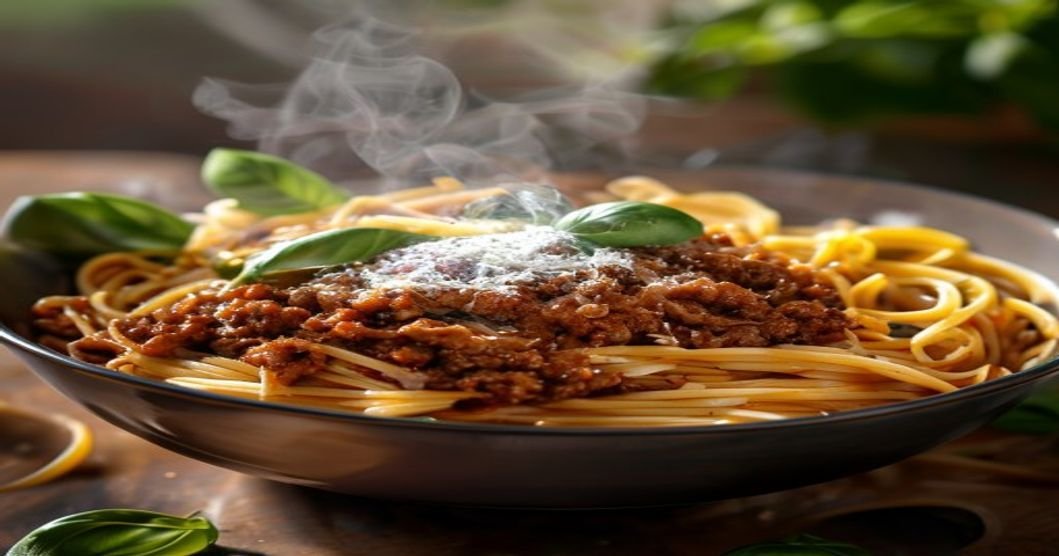
Easy Vegan Walnut Bolognese Recipe for Pasta Night
If you’re looking for a rich, satisfying, and plant-based alternative to traditional Bolognese, this vegan walnut bolognese is the answer. Packed with umami depth, hearty texture, and bold flavors, this dish proves that meatless meals can be just as indulgent as their classic counterparts. Whether you’re a long-time vegan, a curious flexitarian, or simply someone who loves a good pasta dish, this easy vegan pasta recipe will quickly become a weeknight favorite.
Unlike traditional Bolognese, which relies on ground beef for its texture and flavor, this version uses walnuts as the base. Walnuts provide a meaty, slightly crunchy texture while absorbing the savory notes of garlic, tomatoes, and herbs. The result? A sauce that’s deeply flavorful, protein-rich, and perfect for serving over pasta, zucchini noodles, or even polenta. For more plant-based inspiration, check out our guide on vegan comfort food recipes.
Why You’ll Love This Vegan Walnut Bolognese
- Plant-Based & Nutrient-Dense: Walnuts are rich in healthy fats, protein, and omega-3s, making this dish both delicious and nutritious.
- Rich Umami Flavor: Thanks to ingredients like mushrooms, soy sauce, and nutritional yeast, this sauce has a deep, savory taste that mimics traditional Bolognese.
- Versatile & Customizable: Swap in different vegetables, adjust the spice level, or serve it with your favorite pasta alternative.
- Meal-Prep Friendly: This sauce tastes even better the next day, making it perfect for batch cooking and leftovers.
- Family-Friendly: Even non-vegans will love this dish—it’s that good!
Ingredients You’ll Need for the Best Vegan Walnut Bolognese
Here’s what you’ll need to make this vegan walnut bolognese. Most of these ingredients are pantry staples, and you can easily find them at any grocery store.
For the Walnut Bolognese:
- 1 ½ cups walnuts (raw or toasted, for extra flavor)
- 1 tbsp olive oil (or water for oil-free)
- 1 medium onion, finely diced
- 2 carrots, finely diced
- 2 celery stalks, finely diced
- 4 garlic cloves, minced
- 8 oz cremini or white mushrooms, finely chopped (or sub with portobello for deeper flavor)
- 1 tsp dried oregano
- 1 tsp dried basil
- ½ tsp smoked paprika (optional, for a smoky touch)
- ½ tsp red pepper flakes (adjust to taste)
- 1 tbsp soy sauce or tamari (for umami)
- 1 tbsp nutritional yeast (for cheesy, savory depth)
- 1 (28 oz) can crushed tomatoes or diced tomatoes
- 1 cup vegetable broth
- 1 tbsp tomato paste
- Salt and black pepper to taste
- 1 tsp balsamic vinegar (optional, for brightness)
For Serving:
- 12 oz pasta of choice (spaghetti, fettuccine, or rigatoni work well)
- Fresh basil, chopped (for garnish)
- Vegan Parmesan cheese (optional)
- Red pepper flakes (for heat)
Step-by-Step Instructions for the Perfect Vegan Walnut Bolognese
1. Prep the Walnuts
Start by toasting your walnuts in a dry skillet over medium heat for 3-5 minutes, stirring often, until fragrant. This step enhances their nutty flavor. Once toasted, let them cool slightly, then pulse them in a food processor until finely chopped—almost like ground meat. Set aside.
2. Sauté the Aromatics
Heat olive oil (or water) in a large pot or deep skillet over medium heat. Add the diced onion, carrots, and celery. Cook for 5-7 minutes, stirring occasionally, until the vegetables soften. Add the minced garlic and cook for another 1-2 minutes until fragrant.
3. Add the Mushrooms
Increase the heat to medium-high and add the chopped mushrooms. Cook for 5-7 minutes, stirring occasionally, until they release their moisture and begin to brown. This step is key for building depth of flavor.
4. Season and Toast the Spices
Stir in the dried oregano, basil, smoked paprika, red pepper flakes, soy sauce, and nutritional yeast. Cook for 1 minute to toast the spices and release their aromas.
5. Build the Sauce
Add the crushed tomatoes, vegetable broth, tomato paste, salt, and black pepper. Stir well to combine. Bring the sauce to a simmer, then reduce the heat to low. Let it cook uncovered for 20-25 minutes, stirring occasionally, until it thickens to a rich, meaty consistency.
In the last 5 minutes of cooking, stir in the chopped walnuts and balsamic vinegar (if using). The walnuts will soften slightly but retain a pleasant texture.
6. Taste and Adjust
Give the sauce a taste and adjust the seasoning as needed. You may want to add more salt, pepper, or a splash of soy sauce for extra umami. If the sauce is too thick, thin it with a little vegetable broth or water.
7. Serve and Enjoy
Cook your pasta according to package instructions, then drain and toss with the walnut bolognese. Garnish with fresh basil, vegan Parmesan, and red pepper flakes if desired. Serve immediately and enjoy your delicious, plant-based meal!
Pro Tips for the Best Vegan Walnut Bolognese
- Toast the walnuts: Toasting enhances their flavor and adds a subtle crunch to the dish.
- Use a mix of mushrooms: Portobello mushrooms add a deeper, meatier flavor, while cremini or white mushrooms provide a lighter texture.
- Let it simmer: The longer the sauce simmers, the more the flavors will meld together. Aim for at least 20 minutes.
- Freeze for later: This sauce freezes beautifully, so make a big batch and store it for up to 3 months.
- Pair with the right pasta: Spaghetti, fettuccine, and rigatoni are all great choices, but feel free to experiment with other shapes.
Frequently Asked Questions About Vegan Walnut Bolognese
Can I make this recipe oil-free?
Yes! Simply replace the olive oil with water or vegetable broth when sautéing the aromatics.
Is this recipe gluten-free?
This recipe is naturally gluten-free, but always check the labels on your soy sauce or tamari to ensure it’s gluten-free if needed.
Can I use a different nut instead of walnuts?
While walnuts provide a unique texture and flavor, you can substitute them with pecans or almonds if desired. Keep in mind that the flavor profile may vary slightly.
How long does this sauce keep in the fridge?
Store the sauce in an airtight container in the fridge for up to 5 days. It tastes even better the next day as the flavors continue to develop.
What’s the best way to reheat this sauce?
Reheat the sauce gently in a saucepan over low heat, stirring occasionally. You may need to add a splash of water or broth to thin it out if it’s too thick.