Healthy Vegan Spaghetti Squash with Marinara: A Flavorful Twist on a Classic Dish
Looking for a nutritious, plant-based alternative to traditional pasta? Healthy vegan spaghetti squash with marinara is the perfect solution—packed with flavor, fiber, and essential nutrients while being completely free of animal products. This vibrant dish is not only delicious but also easy to prepare, making it ideal for busy weeknights or a satisfying weekend meal.
Whether you’re a committed vegan, exploring plant-based eating, or simply seeking a lighter take on spaghetti, this recipe delivers on taste and health benefits. Below, we’ll explore why spaghetti squash is a fantastic ingredient, how to prepare it perfectly, and creative ways to customize your marinara sauce for an unforgettable dining experience.
Why Choose Spaghetti Squash? The Nutritional Benefits
Spaghetti squash is a winter squash variety that, when cooked, naturally separates into long, spaghetti-like strands. Unlike traditional pasta, it’s low in calories and carbohydrates while being rich in vitamins and minerals. Here’s what makes it a nutritional powerhouse:
- Low-Calorie & Low-Carb: A cup of cooked spaghetti squash contains only about 42 calories and 10 grams of carbs, compared to 220 calories and 43 grams of carbs in a cup of cooked pasta.
- High in Fiber: With 2.2 grams of fiber per cup, it supports digestive health and keeps you feeling full longer.
- Rich in Vitamins: It’s a great source of vitamin C, vitamin B6, and potassium, which are essential for immune function, energy metabolism, and heart health.
- Antioxidant Properties: Spaghetti squash contains beta-carotene, lutein, and zeaxanthin, which promote eye health and reduce inflammation.
- Gluten-Free & Vegan: Naturally free of gluten and animal products, making it suitable for those with dietary restrictions or preferences.
By swapping out traditional pasta for spaghetti squash, you’re not only reducing your calorie intake but also boosting your intake of vitamins, minerals, and antioxidants—all while enjoying a dish that’s just as satisfying.
How to Cook Spaghetti Squash Perfectly Every Time
Cooking spaghetti squash may seem intimidating, but it’s actually quite simple. Here’s a step-by-step guide to achieving tender, flavorful strands that mimic pasta:
Method 1: Roasting in the Oven (Recommended)
This method brings out the natural sweetness of the squash and yields the best texture.
- Preheat your oven to 400°F (200°C).
- Prepare the squash: Wash the spaghetti squash thoroughly. Cut it in half lengthwise (from stem to blossom end) using a sharp knife. Be cautious—the squash can be hard to cut when raw. Remove the seeds and pulp with a spoon.
- Season and roast: Drizzle the cut sides of the squash with olive oil, then sprinkle with salt and pepper. Place the halves cut-side down on a baking sheet lined with parchment paper.
- Bake: Roast for 35-45 minutes, or until the squash is tender when pierced with a fork.
- Shred the strands: Once cooled slightly, use a fork to scrape the flesh from the skin, creating spaghetti-like strands.
Method 2: Microwave for a Quick Fix
For a faster option, you can cook spaghetti squash in the microwave, though the texture may be slightly less tender.
- Prep the squash: Cut the squash in half lengthwise and remove the seeds.
- Microwave: Place the halves cut-side down on a microwave-safe plate. Add 2-3 tablespoons of water to the plate to create steam. Microwave on high for 10-15 minutes, or until tender.
- Shred: Let it cool slightly, then use a fork to separate the strands.
Pro Tips for Perfect Spaghetti Squash
- Don’t overcook: The squash should be tender but still hold its shape. Overcooking can make it mushy.
- Season well: Toss the cooked strands with a bit of olive oil, salt, and pepper to enhance flavor.
- Use the skin: The skin is edible but can be tough. If you prefer, you can scoop out the strands and discard the skin.
- Storage: Cooked spaghetti squash can be stored in an airtight container in the fridge for up to 5 days or frozen for up to 3 months.
Crafting the Perfect Vegan Marinara Sauce
A great marinara sauce is the heart of this dish. While traditional marinara is often vegan, some store-bought versions may contain hidden animal products like cheese or anchovies. Here’s how to make a rich, flavorful, and entirely plant-based marinara from scratch.
Basic Vegan Marinara Recipe
- Sauté the aromatics: Heat 2 tablespoons of olive oil in a saucepan over medium heat. Add 3 minced garlic cloves and 1 small diced onion. Cook until softened, about 5 minutes.
- Add the tomatoes: Stir in 2 cans (28 oz each) of crushed tomatoes, 1 teaspoon of salt, 1 teaspoon of dried oregano, 1 teaspoon of dried basil, and ½ teaspoon of black pepper.
- Simmer: Bring the sauce to a boil, then reduce the heat to low and let it simmer for 20-30 minutes, stirring occasionally, until thickened.
- Finish with fresh herbs: Stir in ¼ cup of fresh basil or parsley and 1 teaspoon of balsamic vinegar (optional) for added depth of flavor.
Creative Variations to Elevate Your Marinara
Feel free to customize your marinara with these delicious add-ins:
- Spicy Kick: Add ½ teaspoon of red pepper flakes or a dash of hot sauce for heat.
- Smoky Flavor: Stir in 1 teaspoon of smoked paprika or a splash of liquid smoke.
- Umami Boost: Add 1 tablespoon of nutritional yeast or a splash of soy sauce for a savory depth.
- Mushroom Marinara: Sauté 1 cup of finely chopped mushrooms with the onions for an earthy twist.
- Roasted Garlic: Replace raw garlic with 3-4 cloves of roasted garlic for a sweeter, milder flavor.
Store-Bought Marinara: What to Look For
If you’re short on time, opt for a high-quality store-bought marinara. Look for brands that:
- Are labeled “vegan” or “plant-based.”
- Contain simple, recognizable ingredients (e.g., tomatoes, olive oil, garlic, herbs).
- Have no added sugars or artificial preservatives.
Some great vegan marinara brands include Rao’s Homemade, Victoria, and Muir Glen Organic.
Assembling Your Healthy Vegan Spaghetti Squash with Marinara
Now that your spaghetti squash and marinara are ready, it’s time to bring the dish together. Here’s how to plate it for maximum flavor and visual appeal:
Step-by-Step Assembly
- Prepare the squash: If your squash has cooled, reheat it gently in a skillet with a drizzle of olive oil or in the microwave for 1-2 minutes.
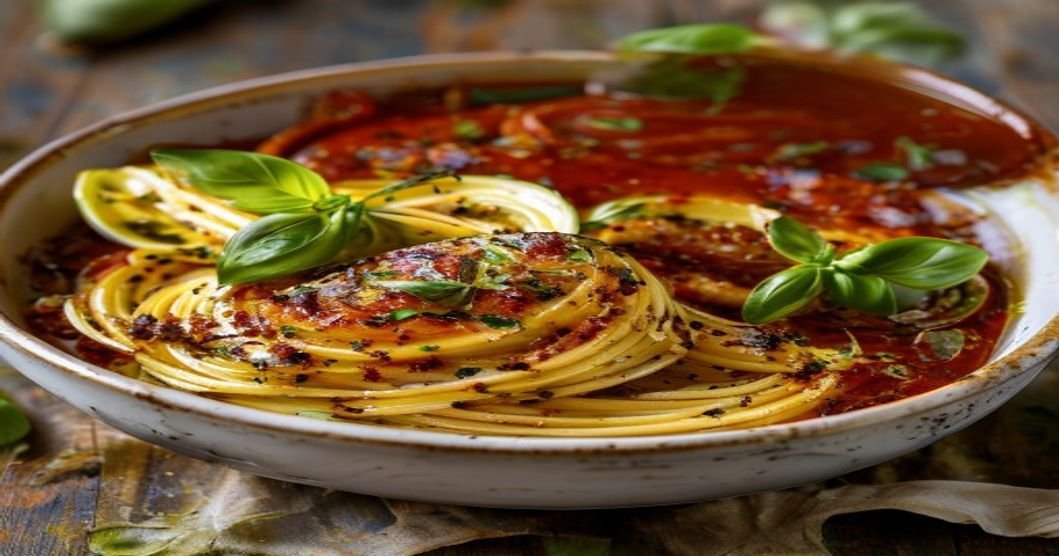
- Toss with sauce: Place the squash strands in a large bowl and mix with a generous portion of marinara sauce. Toss until evenly coated.
- Garnish: Top with fresh basil leaves, vegan Parmesan (store-bought or homemade), red pepper flakes, or a sprinkle of nutritional yeast for extra flavor.
- Serve: Plate the spaghetti squash and drizzle with additional marinara if desired. Serve with a side salad or garlic bread for a complete meal.
Toppings & Add-Ins to Customize Your Dish
Make this dish your own with these delicious toppings and mix-ins:
- Protein Boost: Add crumbled vegan sausage, lentils, or chickpeas for extra protein.
- Fresh Veggies: Top with sautéed bell peppers, spinach, mushrooms, or cherry tomatoes.
- Cheesy Flavor: Sprinkle with vegan mozzarella or cashew-based ricotta.
- Herbs: Fresh basil, parsley, or oregano add a pop of color and freshness.
- Nuts & Seeds: Toasted pine nuts, walnuts, or pumpkin seeds add crunch and healthy fats.
Meal Prep & Storage Tips
This dish is perfect for meal prep! Here’s how to store and reheat it for easy, healthy meals throughout the week:
Storing Leftovers
- Refrigerator: Store cooked spaghetti squash and marinara separately in airtight containers for up to 5 days.
- Freezer: Freeze the sauce in portions for up to 3 months. The spaghetti squash can also be frozen but may become slightly mushy upon thawing—best used in cooked dishes like soups or casseroles.
Reheating
- Microwave: Reheat individual portions in the microwave for 1-2 minutes, stirring halfway through.
- Stovetop: Warm the squash and sauce in a skillet over low heat, adding a splash of water or broth to prevent drying out.
Meal Prep Ideas
Prep components ahead of time for quick assembly:
- Roast the squash: Cook and store the squash strands in the fridge.
- Make the marinara: Prepare a big batch of sauce and freeze it in portions.
- Prep toppings: Chop veggies, make vegan Parmesan, or cook protein add-ins in advance.
Why This Dish is a Must-Try for Health-Conscious Foodies
Healthy vegan spaghetti squash with marinara is more than just a pasta substitute—it’s a nutrient-dense, flavorful, and satisfying meal that fits seamlessly into a balanced diet. Here’s why you should add it to your recipe rotation:
- Supports Weight Loss: Low in calories and high in fiber, it keeps you full without overloading on carbs.
- Heart-Healthy: Rich in potassium and antioxidants, it supports cardiovascular health.
- Digestive-Friendly: The fiber content promotes gut health and regularity.
- Versatile & Customizable: Adapt the recipe to your taste preferences with different sauces, proteins, and toppings.
- Budget-Friendly: Spaghetti squash is affordable and has a long shelf life, making it a cost-effective pantry staple.
Whether you’re a seasoned vegan or just looking to incorporate more plant-based meals into your diet, this dish is a winner. It’s proof that healthy eating doesn’t mean sacrificing flavor or satisfaction.
Frequently Asked Questions (FAQs)
Is spaghetti squash keto-friendly?
Yes! Spaghetti squash is low in net carbs (about 7-8 grams per cup), making it a great option for those following a keto or low-carb diet.
Can I use spaghetti squash in other recipes?
Absolutely! Spaghetti squash works well in stir-fries, casseroles, soups, and even as a base for veggie burgers. Its mild flavor makes it versatile for both savory and slightly sweet dishes.
How do I know when spaghetti squash is ripe?
A ripe spaghetti squash will have a firm, hard rind and a deep yellow color. Avoid squash with soft spots or blemishes, as these indicate spoilage.
Can I eat the skin of spaghetti squash?
The skin is edible but can be tough and fibrous. Most people prefer to scoop out the strands and discard the skin, but it’s safe to eat if you don’t mind the texture.
What’s the best way to reheat spaghetti squash?
The best way to reheat spaghetti squash is in a skillet over low heat with a splash of water or broth to prevent it from drying out. Avoid overcooking, as it can become mushy.
Final Thoughts: Elevate Your Meals with This Delicious Vegan Dish
Healthy vegan spaghetti squash with marinara is a game-changer for anyone looking to enjoy a comforting, pasta-like meal without the guilt. Packed with nutrients, easy to prepare, and endlessly customizable, this dish is a must-try for health-conscious food lovers.
So, the next time you’re craving Italian flavors, skip the heavy pasta and opt for this lighter, plant-based alternative. Your taste buds—and your body—will thank you!
Ready to Try This Recipe? Here’s Your Call to Action!
Inspired to whip up a batch of healthy vegan spaghetti squash with marinara? Here’s how to get started:
- Grab your ingredients: Pick up a spaghetti squash, canned tomatoes, fresh herbs, and your favorite vegan proteins or toppings.
- Follow the steps: Use our guide to roast the squash and whip up a batch of marinara sauce.
- Customize it: Make it your own with your favorite add-ins and toppings.
- Share your creation: Tag us on social media with your masterpiece—we’d love to see how you made it your own!
Don’t forget to pin this recipe for later or save it to your recipe collection! For more healthy, vegan-inspired meals, subscribe to our newsletter and follow us on social media for weekly tips and recipe ideas.
Here’s to delicious, nourishing meals that fuel your body and delight your palate!
Disclaimer: The information provided in this post is for educational purposes only and is not intended as medical advice. Always consult a healthcare professional before making dietary changes.