High-Protein Edamame Quinoa Salad: A Nutritious Powerhouse for Your Meals
Discover this high-protein edamame quinoa salad—nutritious, easy to prep, and packed with plant-based protein and fiber for a healthy meal.
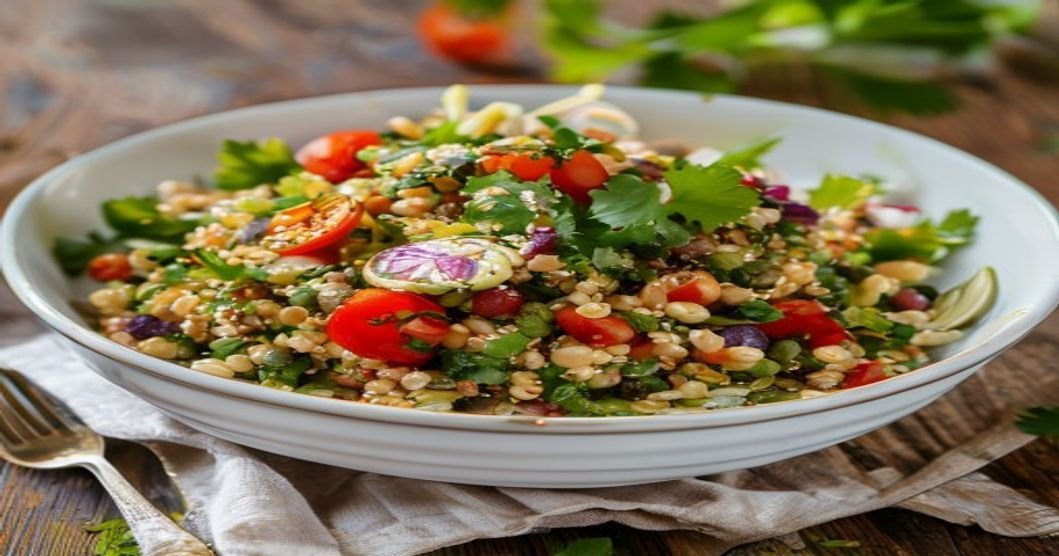
Are you looking for a delicious, protein-packed meal that’s easy to prepare and perfect for meal prep? Look no further than this High-Protein Edamame Quinoa Salad. Packed with plant-based protein, fiber, and essential nutrients, this salad is not only nutritious but also incredibly versatile. Whether you’re a fitness enthusiast, a busy professional, or someone looking to incorporate more plant-based meals into your diet, this recipe is a game-changer.
In this guide, we’ll explore the benefits of edamame and quinoa, share a step-by-step recipe, and provide tips for customizing this salad to suit your taste. Let’s dive in!
Why Choose a High-Protein Edamame Quinoa Salad?
A high-protein diet is essential for muscle repair, satiety, and overall health. Combining edamame and quinoa creates a complete protein source, meaning it contains all nine essential amino acids your body needs. Here’s why this salad should be a staple in your meal plan:
The Benefits of Edamame
- Rich in Plant-Based Protein: Edamame, young soybeans, are a fantastic source of protein, offering about 17 grams per cooked cup. This makes them an excellent choice for vegetarians and vegans.
- Packed with Fiber: Fiber aids digestion, promotes gut health, and helps keep you full longer. Edamame provides a healthy dose of dietary fiber.
- Loaded with Vitamins and Minerals: Edamame is rich in folate, vitamin K, iron, and magnesium, which support energy levels, bone health, and immune function.
- Heart-Healthy: The isoflavones in edamame may help lower cholesterol levels and reduce the risk of heart disease.
The Power of Quinoa
- Complete Protein Source: Quinoa is one of the few plant-based foods that contain all nine essential amino acids, making it a complete protein.
- Gluten-Free and Versatile: Quinoa is naturally gluten-free, making it a great option for those with gluten sensitivities or celiac disease. It’s also incredibly versatile and can be used in salads, bowls, and even as a breakfast porridge.
- Rich in Antioxidants: Quinoa contains antioxidants like quercetin and kaempferol, which help combat inflammation and protect against chronic diseases.
- High in Fiber and Minerals: Quinoa is a good source of fiber, magnesium, phosphorus, and manganese, which support digestion, bone health, and metabolism.
High-Protein Edamame Quinoa Salad Recipe
Now that you know why this salad is a nutritional powerhouse, let’s get into the recipe. This dish is easy to make, customizable, and perfect for meal prep.
Ingredients
- 1 cup quinoa, rinsed
- 2 cups water or vegetable broth
- 1 cup shelled edamame, thawed if frozen
- 1 cup cherry tomatoes, halved
- 1 cucumber, diced
- 1 red bell pepper, diced
- 1/4 cup red onion, finely chopped
- 1/4 cup fresh parsley, chopped
- 1/4 cup crumbled feta cheese (optional, omit for vegan version)
- 1/4 cup sunflower seeds or pumpkin seeds
Dressing
- 3 tablespoons extra-virgin olive oil
- 2 tablespoons lemon juice
- 1 tablespoon apple cider vinegar
- 1 teaspoon Dijon mustard
- 1 teaspoon honey or maple syrup (for vegan option)
- 1 garlic clove, minced
- Salt and pepper to taste
Instructions
- Cook the Quinoa: In a medium saucepan, combine the rinsed quinoa and water or vegetable broth. Bring to a boil, then reduce the heat to low, cover, and simmer for 15 minutes or until the quinoa is fluffy and the liquid is absorbed. Remove from heat and let it cool slightly.
- Prepare the Edamame: If using frozen edamame, thaw it by placing it in a bowl of warm water for a few minutes. Drain and set aside.
- Chop the Vegetables: While the quinoa is cooking, chop the cherry tomatoes, cucumber, red bell pepper, red onion, and parsley. Place them in a large mixing bowl.
- Make the Dressing: In a small bowl, whisk together the olive oil, lemon juice, apple cider vinegar, Dijon mustard, honey or maple syrup, minced garlic, salt, and pepper.
- Combine the Salad: Add the cooked quinoa, edamame, and feta cheese (if using) to the mixing bowl with the vegetables. Pour the dressing over the salad and toss gently to combine.
- Add the Seeds: Sprinkle the sunflower or pumpkin seeds on top of the salad for added crunch and nutrition.
- Serve or Store: Serve the salad immediately, or store it in an airtight container in the refrigerator for up to 4 days. This makes it perfect for meal prep!
Nutritional Information
This High-Protein Edamame Quinoa Salad is not only delicious but also packed with nutrients. Here’s a breakdown of the approximate nutritional content per serving (assuming 4 servings per recipe):
- Calories: 350 kcal
- Protein: 15 grams
- Carbohydrates: 35 grams
- Fiber: 8 grams
- Fat: 18 grams (mostly healthy fats from olive oil and seeds)
- Vitamin C: 80% of the Daily Value (DV)
- Iron: 20% of the DV
- Calcium: 10% of the DV
This salad is a balanced meal that provides a good mix of macronutrients and micronutrients, making it an excellent choice for lunch or dinner.
Tips for Customizing Your Edamame Quinoa Salad
One of the best things about this salad is its versatility. Here are some tips for customizing it to suit your preferences:
Add More Protein
- Grilled Chicken: Add grilled chicken breast for an extra boost of protein, making it ideal for post-workout meals.
- Tofu or Tempeh: For a vegan option, add cubed tofu or tempeh for additional plant-based protein.
- Chickpeas: Roasted chickpeas add a crunchy texture and extra protein.
Boost the Flavor
- Avocado: Add diced avocado for a creamy texture and healthy fats.
- Fresh Herbs: Experiment with different herbs like cilantro, basil, or mint for a fresh twist.
- Spices: Add a pinch of cumin, paprika, or chili flakes for a spicy kick.
Make It Heartier
- Grains: Mix in other grains like farro, bulgur, or brown rice for added texture.
- Roasted Vegetables: Add roasted sweet potatoes, zucchini, or Brussels sprouts for extra heartiness.
- Nuts and Seeds: Swap sunflower seeds for almonds, walnuts, or pecans for added crunch.
Meal Prep Tips
- Store Dressing Separately: To keep the salad fresh, store the dressing in a separate container and add it just before serving.
- Use Airtight Containers: Store the salad in airtight containers to maintain freshness and prevent sogginess.