
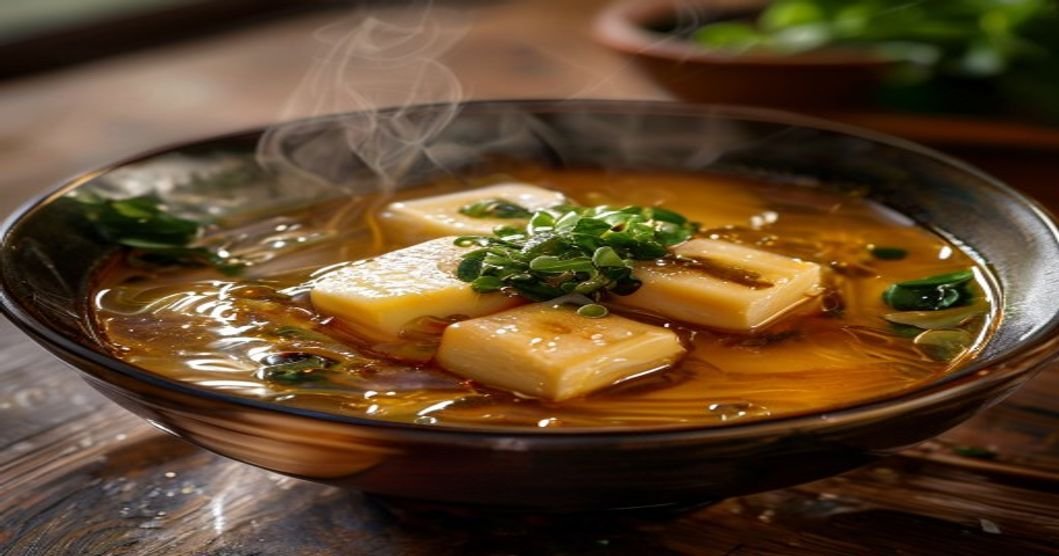
Quick Vegan Miso Soup with Tofu and Wakame: A Comforting Bowl in Minutes
Miso soup is a cornerstone of Japanese cuisine, celebrated for its umami-rich broth, delicate flavors, and nourishing ingredients. Traditionally made with dashi (a fish-based stock), classic miso soup isn’t vegan—but that doesn’t mean you have to miss out. This Quick Vegan Miso Soup with Tofu and Wakame delivers all the cozy, savory goodness of the original, minus the animal products. Ready in under 15 minutes, it’s the perfect light meal, side dish, or even a soothing remedy when you’re feeling under the weather.
In this recipe, we’ll use dashi alternatives like kombu (dried kelp) and shiitake mushrooms to create a deep, flavorful broth. Silken tofu adds creaminess, while wakame seaweed contributes a subtle oceanic note and a boost of minerals. The result? A bowl that’s warm, satisfying, and brimming with plant-based protein—all while being kind to your taste buds and the planet.
Let’s dive into this simple, foolproof vegan miso soup recipe that’s sure to become a weeknight staple.
Why Choose This Vegan Miso Soup?
Before we get to the recipe, here’s why this vegan miso soup deserves a spot in your meal rotation:
- Nutrient-Dense: Packed with protein from tofu, iodine and calcium from wakame, and gut-friendly probiotics from miso.
- Low in Calories: A single serving is under 150 calories, making it ideal for light lunches or a starter.
- Rich in Umami: Achieved naturally using kombu and shiitake without fish or meat.
- Quick & Easy: Ready in 15 minutes—no long simmering required.
- Versatile: Customize with veggies like spinach, scallions, or carrots.
With these benefits, it’s clear that this vegan miso soup isn’t just an alternative—it’s a delicious improvement.
Ingredients You’ll Need
Here’s what you’ll gather to make this Quick Vegan Miso Soup with Tofu and Wakame. All ingredients are widely available at health food stores, Asian markets, or even your local supermarket:
- 4 cups water (or vegetable broth for extra depth)
- 1 piece kombu (dried kelp), about 4×4 inches
- 2–3 dried shiitake mushrooms (or 1–2 fresh, sliced)
- 2 tbsp white miso paste (ensure it’s unpasteurized and vegan-friendly)
- ½ cup silken tofu, cubed
- 1 tbsp dried wakame seaweed
- 1 green onion, thinly sliced (for garnish)
- Optional: 1 tsp grated ginger, a pinch of chili flakes, or ½ cup baby spinach
Note on Miso: Always choose miso paste that doesn’t contain fish or animal ingredients. White (shiro) miso has a mild, slightly sweet flavor, while red (aka) miso is stronger and saltier. Either works—just adjust to taste.
Step-by-Step Instructions
1. Prepare the Kombu and Shiitake Broth
Start by making a flavorful vegan dashi substitute:
- Rinse the kombu under cold water to remove any dust or debris. Do not wipe dry—just pat gently.
- Cut kombu into strips (optional, but helps release flavor faster).
- In a medium pot, add 4 cups of water and the kombu. Bring to a gentle simmer over medium-low heat.
- Remove kombu just before the water boils (about 5–8 minutes). Boiling can make the broth bitter.
- Add shiitake mushrooms to the pot. Simmer for 5–7 minutes until softened and fragrant.
- Remove shiitake mushrooms and slice them thinly (optional). You can eat them later or discard them—both are fine.
- Strain the broth through a fine-mesh sieve to remove any particles. Return the liquid to the pot.
You now have a clean, umami-rich vegan broth ready for miso.
2. Rehydrate the Wakame Seaweed
While the broth simmers:
- Place 1 tbsp dried wakame in a small bowl.
- Cover with warm water (not boiling) and let sit for 5–7 minutes until fully rehydrated.
- Drain and set aside. The wakame will expand significantly.
Tip: If using fresh wakame, rinse it well and chop it finely before adding to the soup.
3. Dissolve the Miso Paste
Miso should never be boiled—heat destroys its beneficial probiotics and alters the flavor.
- Turn off the heat under the broth.
- Scoop out about ½ cup of hot broth and place it in a small bowl.
- Add 2 tbsp white miso paste to the broth and whisk until fully dissolved.
- Pour the miso mixture back into the pot and stir gently.
Pro Tip: To avoid lumps, always dissolve miso in a little broth first before adding it to the pot.
4. Add Tofu and Wakame
- Add ½ cup cubed silken tofu and rehydrated wakame to the soup.
- Warm gently for 2–3 minutes over low heat. Do not boil.
- Taste and adjust seasoning if needed. Add a pinch of salt or more miso if too bland.
5. Garnish and Serve
- Ladle the soup into warm bowls.
- Garnish with sliced green onions and a sprinkle of chili flakes or grated ginger if desired.
- Serve immediately with steamed rice or a side salad.
Optional Add-Ins:
- Spinach: Add a handful of baby spinach in the last minute of cooking.
- Mushrooms: Use fresh shiitake or enoki for extra texture.
- Noodles: Stir in udon or soba noodles for a heartier meal.
Serving Suggestions and Pairings
This vegan miso soup shines as a standalone dish but also complements many meals:
- With Rice: Serve over steamed jasmine or brown rice for a complete protein.
- As a Starter: Pair with sushi, onigiri, or vegan gyoza for a full Japanese-inspired meal.
- In a Bento Box: Include with roasted vegetables, pickled ginger, and edamame.
- As a Cleansing Broth: Ideal for a light dinner during detox or intermittent fasting.
For a seasonal twist, try adding:
- In spring: Blossom-shaped tofu and asparagus tips.
- In fall: Kabocha squash cubes and fresh shiitake.
Tips for the Best Vegan Miso Soup
Follow these expert tips to ensure your soup is always delicious and consistent:
🔹 Choose the Right Miso
White miso is mild and slightly sweet, ideal for beginners. Red miso is stronger and saltier. Yellow miso (mame) is a balance. Always use unpasteurized, organic miso when possible for maximum probiotics.
🔹 Don’t Boil the Miso
Heat above 118°F (48°C) can kill beneficial bacteria. Keep the broth at a gentle simmer after adding miso.
🔹 Use Kombu Sparingly
1–2 small pieces of kombu (about 4×4 inches) are enough for 4 cups of broth. Too much can make the broth overly fishy-tasting.
🔹 Store Miso Properly
Keep miso paste refrigerated in an airtight container. It can last up to a year. Freeze tofu in portions for quick use.
🔹 Make It Ahead
You can prepare the kombu broth in advance and store it in the fridge for up to 3 days. Add miso, tofu, and wakame fresh when ready to serve.
🔹 Go Gluten-Free
Use gluten-free miso (check labels) and tamari instead of soy sauce if needed. Ensure all ingredients are certified gluten-free.
Health Benefits of This Vegan Miso Soup
Beyond its delicious taste, this soup offers a host of health benefits:
- Probiotic Power: Miso is fermented, supporting gut health and digestion.
- Rich in Antioxidants: Kombu contains fucoxanthin, a compound with anti-inflammatory properties.
- Low in Saturated Fat: A heart-healthy choice without cholesterol.
- High in Plant Protein: Tofu provides all essential amino acids.
- Iodine Source: Wakame supplies iodine, essential for thyroid function.
- Alkalizing: Helps balance pH levels in the body.
Incorporating this soup regularly can contribute to overall wellness, especially for those following a plant-based diet.
Common Mistakes to Avoid
Even simple recipes can go wrong without attention to detail. Here’s what to watch out for:
- Boiling the broth after adding kombu: Can make the broth bitter.
- Using iodized salt: Can overpower the natural flavors; use sea salt or miso’s saltiness to season.
- Overcooking tofu: Silken tofu turns rubbery if simmered too long—add it last.
- Skipping the straining: Kombu or mushroom bits can make the soup gritty.
- Using old miso: It loses potency over time; check the expiration or smell for freshness.
By avoiding these pitfalls, you’ll ensure every bowl is smooth, flavorful, and satisfying.
FAQs About Vegan Miso Soup
Can I use instant miso soup mix?
Many instant miso soup packets contain fish powder or bonito. Always check the label or make your own for a truly vegan version.
Is wakame necessary?
While optional, wakame adds authentic flavor, texture, and nutrients. You can substitute with nori strips or arame seaweed if unavailable.
Can I make this soup in a rice cooker?
Yes! Add kombu, shiitake, and water to the rice cooker. Once cooked, turn off and let steep for 10 minutes. Then add miso, tofu, and wakame.
Is miso soup good for digestion?
Absolutely. The probiotics in miso support a healthy gut microbiome, aiding digestion and immune function.
Can I freeze miso soup?
Miso soup is best fresh, but you can freeze the broth (without tofu or wakame) for up to 3 months. Thaw and reheat gently, then add fresh tofu and seaweed.
Why This Recipe Is Perfect for You
Whether you’re vegan, vegetarian, or simply looking to eat more plant-based meals, this Quick Vegan Miso Soup with Tofu and Wakame is a game-changer. It’s:
- Fast: Ready in under 15 minutes.
- Nourishing: Loaded with plant protein, minerals, and probiotics.
- Customizable: Adapt it to your taste and what’s in your fridge.
- Eco-Friendly: Plant-based meals have a lower carbon footprint than meat-based dishes.
Plus, it’s a comforting bowl of warmth that feels like a hug from the inside out—perfect for chilly evenings or whenever you need a quick, healthy pick-me-up.
Final Thoughts: Bring Comfort to Your Table
Miso soup has been nourishing people for centuries, and now, with this vegan version, it can nourish you too—without compromise. Whether you’re cooking for one or feeding a family, this recipe delivers simple, wholesome, and deeply satisfying results every time.
So next time you crave a bowl of umami goodness, skip the instant packets and make this Quick Vegan Miso Soup with Tofu and Wakame. It’s proof that plant-based cooking can be both easy and extraordinary.
Take Action: Make It Tonight!
Ready to try it? Gather your ingredients and follow the steps above. In less time than it takes to boil pasta, you’ll have a steaming bowl of vegan comfort waiting for you.
And once you fall in love with this recipe, don’t stop here. Experiment with different types of miso, add your favorite vegetables, or even try making vegan ramen with the same broth base. The possibilities are endless.
Your taste buds—and your body—will thank you.
Have you made this vegan miso soup before? Share your tips or variations in the comments below. And if you love this recipe, don’t forget to save it or share it with a friend who needs a little plant-powered warmth in their life.
Happy cooking!