Spicy Gochujang Vodka Pasta: A Bold Fusion of Korean and Italian Flavors
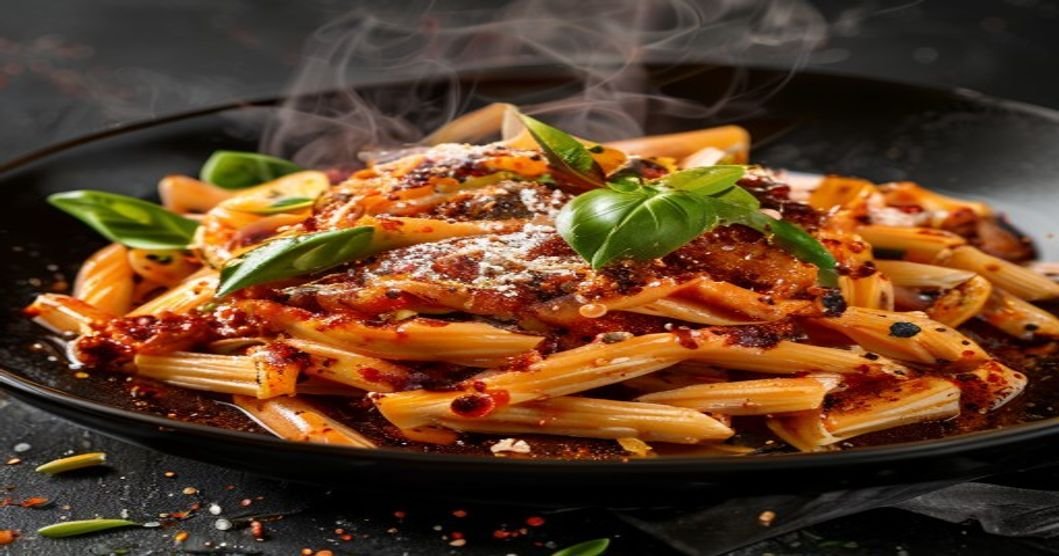
Discover the perfect balance of heat, creaminess, and umami in this Spicy Gochujang Vodka Pasta recipe. Combining the fiery kick of Korean gochujang with the rich, velvety texture of classic vodka sauce, this dish is a fusion masterpiece that will tantalize your taste buds. Whether you’re a spice lover or simply looking to elevate your pasta game, this recipe is a must-try. Read on to learn how to make it, expert tips for the best results, and why this dish is taking the culinary world by storm.
Why You’ll Love This Spicy Gochujang Vodka Pasta
This gochujang pasta recipe is more than just a meal—it’s an experience. Here’s why it’s worth adding to your recipe rotation:
- Unique Flavor Fusion: Gochujang, a fermented Korean chili paste, brings a deep, complex heat that pairs beautifully with the creamy, tomato-based vodka sauce. The result is a harmonious blend of Korean and Italian cuisines.
- Quick and Easy: Ready in under 30 minutes, this dish is perfect for busy weeknights when you want something delicious without spending hours in the kitchen.
- Customizable Heat: Adjust the amount of gochujang to suit your spice tolerance, making it as mild or fiery as you like.
- Crowd-Pleaser: Impress your guests with a dish that’s both familiar and excitingly new. It’s a great conversation starter at dinner parties.
- Versatile: Serve it as a main course or a side dish. It pairs well with everything from grilled meats to roasted vegetables.
The Essential Ingredients for Spicy Gochujang Vodka Pasta
To make this spicy vodka pasta with gochujang, you’ll need the following ingredients. Don’t worry—most of them are pantry staples!
For the Pasta:
- 12 oz (340g) pasta of your choice (penne, rigatoni, or spaghetti work well)
- 1 tbsp salt (for pasta water)
- 1 tbsp olive oil (to prevent sticking)
For the Gochujang Vodka Sauce:
- 2 tbsp olive oil
- 1 small onion, finely diced
- 4 garlic cloves, minced
- 1-2 tbsp gochujang (adjust for spice level)
- 1/4 cup vodka
- 1 can (14 oz/400g) crushed tomatoes
- 1/2 cup heavy cream
- 1/2 cup grated Parmesan cheese, plus extra for serving
- 1 tsp red pepper flakes (optional, for extra heat)
- 1 tsp sugar (to balance acidity)
- Salt and black pepper to taste
For Garnish (Optional but Recommended):
- Fresh basil or parsley, chopped
- Extra Parmesan cheese
- Toasted sesame seeds (for a Korean touch)
- Crusty bread (for serving)
Pro Tip: If you can’t find gochujang at your local grocery store, check Asian markets or order it online. It’s a pantry staple worth having!
Step-by-Step Instructions: How to Make Spicy Gochujang Vodka Pasta
Follow these simple steps to create this fusion pasta recipe in your own kitchen. The process is straightforward, but the results are restaurant-worthy!
Step 1: Cook the Pasta
Bring a large pot of salted water to a boil. Add the pasta and cook according to package instructions until al dente. Reserve 1/2 cup of pasta water before draining. Toss the drained pasta with a bit of olive oil to prevent sticking.
Step 2: Sauté the Aromatics
While the pasta cooks, heat 2 tbsp of olive oil in a large skillet over medium heat. Add the diced onion and cook until soft and translucent, about 5 minutes. Add the minced garlic and cook for another 30 seconds until fragrant.
Step 3: Add the Gochujang
Reduce the heat to low and stir in the gochujang. Cook for 1-2 minutes, stirring constantly to prevent burning. The gochujang will deepen in color and become fragrant. If you’re using red pepper flakes, add them now.
Step 4: Deglaze with Vodka
Carefully pour in the vodka, scraping up any browned bits from the bottom of the skillet. Let the vodka simmer for 2-3 minutes to cook off the alcohol. This step is crucial for achieving a smooth, well-balanced sauce.
Step 5: Add the Tomatoes
Stir in the crushed tomatoes and sugar. Simmer for 5-7 minutes, allowing the sauce to thicken slightly. Season with salt and black pepper to taste.
Step 6: Finish the Sauce
Reduce the heat to low and stir in the heavy cream and grated Parmesan cheese. If the sauce is too thick, add a splash of the reserved pasta water to loosen it. Taste and adjust the seasoning if needed.
Step 7: Combine Pasta and Sauce
Add the cooked pasta to the skillet and toss to coat evenly with the sauce. If needed, add a bit more pasta water to help distribute the sauce. Cook for another 1-2 minutes to let the flavors meld together.
Step 8: Serve and Garnish
Divide the pasta among plates and garnish with fresh herbs, extra Parmesan, and toasted sesame seeds. Serve immediately with crusty bread on the side.
Expert Tips for the Best Spicy Gochujang Vodka Pasta
Want to take your gochujang vodka pasta to the next level? Follow these pro tips for a flawless dish every time.
1. Choose the Right Pasta Shape
Penne, rigatoni, or fusilli are ideal for this recipe because their ridges and hollow centers hold onto the sauce beautifully. Avoid long, thin pasta like spaghetti, as it can get lost in the thick sauce.
2. Don’t Skip the Vodka
Vodka might seem like an unusual ingredient, but it plays a key role in this dish. The alcohol helps to emulsify the sauce, creating a silky texture that clings to the pasta. It also enhances the flavors of the tomatoes and gochujang without adding a boozy taste.
3. Adjust the Spice Level
Gochujang varies in heat, so start with 1 tbsp and taste before adding more. If you’re sensitive to spice, you can reduce the amount or balance it with extra cream. For those who love heat, add a pinch of cayenne pepper or extra red pepper flakes.
4. Use High-Quality Ingredients
Since this dish has a short ingredient list, the quality of each component matters. Opt for San Marzano tomatoes for the best flavor, and use freshly grated Parmesan cheese instead of pre-shredded for a creamier texture.
5. Let the Sauce Reduce
Simmering the sauce allows the flavors to develop and the alcohol to cook off. Don’t rush this step—patience is key to a rich, well-balanced sauce.
6. Reserve Pasta Water
The starchy pasta water is a secret weapon for adjusting the sauce’s consistency. It helps to thin the sauce if it’s too thick and ensures it clings to the pasta perfectly.
7. Garnish Like a Pro
Garnishes aren’t just for looks—they add texture and freshness. Toasted sesame seeds bring a nutty crunch, while fresh herbs brighten up the dish. A drizzle of sesame oil can also add depth if you have it on hand.