Stop Throwing Away Aquafaba! Make This Vegan Lemon Meringue

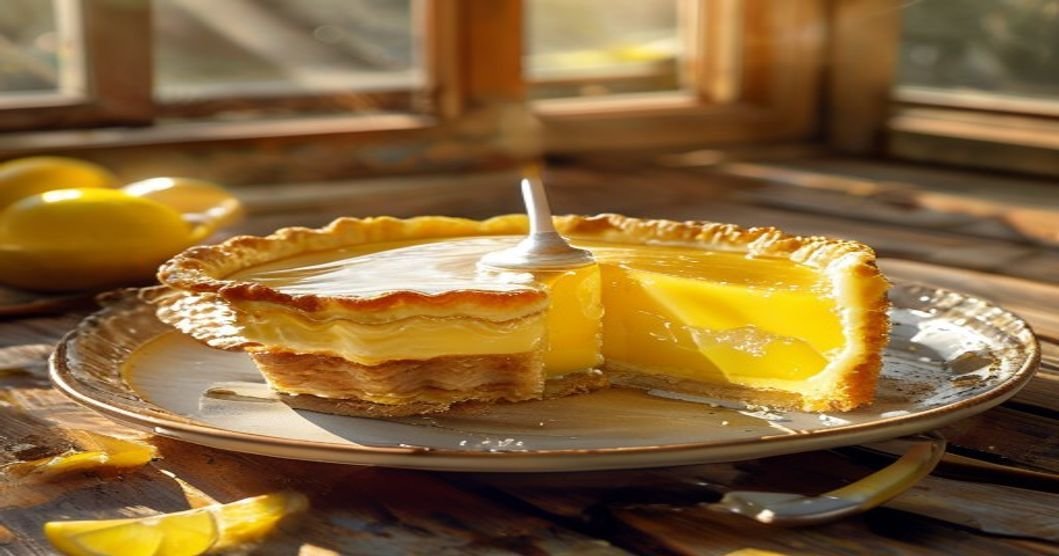
Have you ever poured out the liquid from a can of chickpeas and thought, “What a waste”? Well, think again! That humble liquid—now famously known as aquafaba—is a game-changer in the vegan kitchen. It’s the secret ingredient behind fluffy vegan meringues, light mousses, and even mayonnaise! Today, I’m sharing my favorite recipe: a tangy, sweet, and airy Vegan Lemon Meringue that will impress even the most skeptical dessert lovers.
So, if you’ve been tossing out aquafaba, it’s time to give it a second chance. Let’s dive into why this ingredient is so magical and how you can turn it into a show-stopping dessert.
What Is Aquafaba? And Why Should You Care?

Aquafaba is simply the liquid leftover from cooking chickpeas (or the brine from a can of chickpeas). It’s packed with proteins and starches that mimic egg whites when whipped, making it perfect for vegan baking. The best part? It’s cheap, accessible, and waste-free—no more throwing away that liquid gold!
Here’s what makes aquafaba so special:
- Egg-free alternative: It whips up just like egg whites, creating stiff peaks for meringues and macarons.
- Versatile: Use it in recipes for pavlovas, mousses, or even vegan buttercream.
- Zero waste: It’s a simple way to reduce food waste while making delicious treats.
If you’re new to aquafaba, don’t worry—I’ll guide you through everything you need to know to make this Vegan Lemon Meringue a success.
Why This Vegan Lemon Meringue Is a Must-Try
Traditional lemon meringue pie is a classic, but it’s off-limits for vegans. Enter this bright, citrusy, and fluffy version made entirely with aquafaba. Here’s why you’ll love it:
- Light and airy: The meringue is crisp on the outside and soft on the inside, just like the original.
- Burst of lemon: The tangy lemon curd filling cuts through the sweetness for a perfect balance.
- No weird ingredients: Just chickpea water, sugar, and a few pantry staples!
Plus, it’s easier than you think. Let’s get started!
Ingredients You’ll Need

Here’s what you’ll need to make this Vegan Lemon Meringue:
For the Lemon Curd Filling:
- ½ cup (120ml) fresh lemon juice (about 2-3 lemons)
- Zest of 1 lemon
- ⅓ cup (65g) granulated sugar
- 3 tbsp cornstarch
- ¼ tsp turmeric (for color, optional)
- Pinch of salt
- ½ cup (120ml) water
- 2 tbsp vegan butter (or coconut oil)
For the Aquafaba Meringue:
- ¾ cup (180ml) aquafaba (liquid from a can of chickpeas)
- ½ cup (100g) granulated sugar
- ¼ tsp cream of tartar (helps stabilize the meringue)
- ½ tsp vanilla extract (optional)
Make sure your mixing bowl and beaters are spotlessly clean—any grease will prevent the aquafaba from whipping properly.
Step-by-Step Instructions
1. Make the Lemon Curd Filling

First, let’s tackle the tangy lemon curd. Here’s how:
- In a small saucepan, whisk together the lemon juice, lemon zest, sugar, cornstarch, turmeric (if using), and salt.
- Slowly pour in the water while whisking to avoid lumps.
- Cook over medium heat, stirring constantly, until the mixture thickens (about 5-7 minutes).
- Remove from heat and stir in the vegan butter until smooth.
- Pour the curd into a bowl, cover with plastic wrap (touching the surface to prevent a skin from forming), and let it cool.
While the curd cools, you can move on to the meringue.
2. Whip the Aquafaba Meringue

This is where the magic happens! Here’s how to get it right:
- Drain the liquid from a can of chickpeas into a measuring cup. You’ll need ¾ cup (180ml).
- In a clean, grease-free bowl, combine the aquafaba, cream of tartar, and vanilla extract.
- Using a hand mixer or stand mixer, beat the aquafaba on high speed until it becomes foamy.
- Gradually add the sugar, 1 tbsp at a time, while continuing to beat. The mixture will thicken and form stiff peaks (about 10-15 minutes).
- Test the peaks by lifting the beaters—if the peaks hold their shape, it’s ready!
Pro Tip: If your meringue looks grainy, keep beating! The sugar needs time to dissolve completely.
3. Assemble the Vegan Lemon Meringue

Related reading
- Why You Will Love This Vegan Pumpkin Roll
- Why You Will Love This Dairy-Free Mango Lassi
- The Secret Ingredient Missing from Your Avocado Toast