The Best Homemade Vegan Mayo (Ready in 2 Minutes)
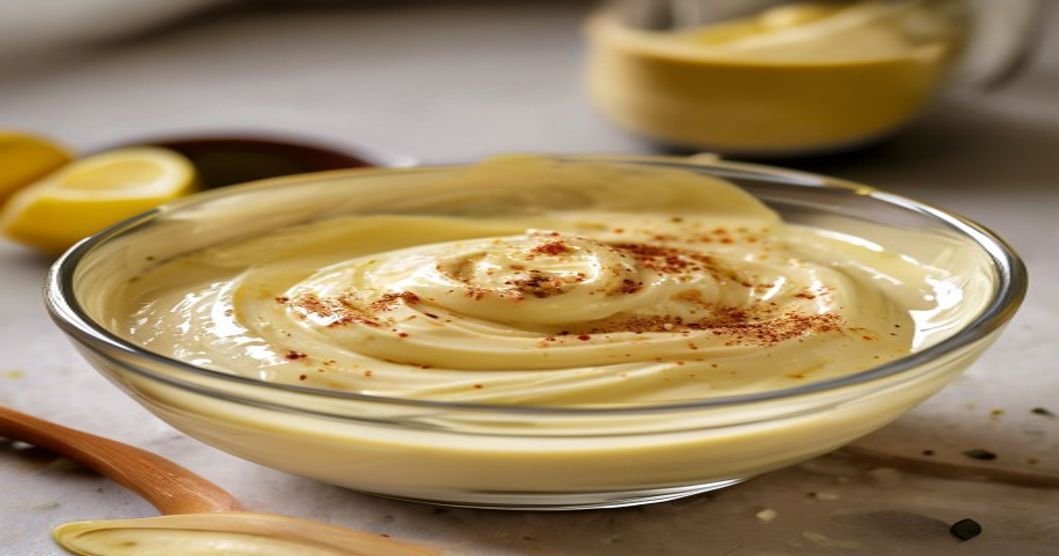
Craving creamy, tangy mayo but want to keep it plant-based? This homemade vegan mayo recipe is not only quick and easy—it’s ready in just 2 minutes—but it’s also healthier than store-bought versions. No weird additives. No cholesterol. 100% delicious.
Whether you’re a long-time vegan, a health-conscious foodie, or just experimenting in the kitchen, this recipe will become a staple in your meal prep.
In this guide, we’ll walk you through the best ingredients to use, the simple steps to make it, and even share expert tips to customize it to your taste. Plus, we’ll cover why this recipe is a must-have for sandwiches, dips, dressings, and more. Let’s dive in!
Why Make Vegan Mayo at Home?
Store-bought vegan mayonnaise can be hit or miss—some brands contain hydrogenated oils or excessive sodium, while others lack the rich, creamy texture of traditional mayo. By making it at home, you gain:
- Full control over ingredients—no hidden sugars, preservatives, or artificial flavors.
- Customizable flavors—add mustard, garlic, lemon, or even smoked paprika for a unique twist.
- Cost-effective—a batch of homemade mayo costs a fraction of store-bought versions.
- Nutrient-rich—using healthy oils like olive or avocado provides heart-healthy fats.
And the best part? You can whip this up in the exact same time it takes to open a jar—just 2 minutes!
Essential Ingredients for the Perfect Vegan Mayo
To achieve that silky, stable mayo texture, you’ll need a few key ingredients. Here’s what works best:
- Neutral-flavored oil (½ cup):
- Avocado oil – High smoke point, neutral taste, and rich in monounsaturated fats.
- Light olive oil – A balanced flavor with a smooth finish.
- Refined coconut oil (liquid) – Adds a subtle sweetness, best for tropical-flavored mayo.
- Liquid lecithin (1 tbsp):
- Acts as the emulsifier, replacing eggs. Soy lecithin is the most common, but sunflower lecithin works too.
- Found in health food stores or online. If unavailable, use 1 tsp Dijon mustard as an alternative emulsifier.
- Apple cider vinegar or lemon juice (1 tbsp):
- Adds tanginess and helps preserve the mayo.
- White vinegar works in a pinch, but apple cider vinegar adds depth.
- Salt (½ tsp) – Enhances flavor without overpowering.
- Optional add-ins:
- Mustard (1 tsp) – Boosts emulsification and adds a subtle kick.
- Garlic powder or minced garlic – For a creamy aioli-style mayo.
- Smoked paprika or nutritional yeast – For a smoky or cheesy flavor.
Step-by-Step: How to Make Vegan Mayo in 2 Minutes
This recipe uses a blender or immersion blender for the fastest results. No blender? A whisk and some elbow grease will work—just takes a few extra minutes!
Method 1: Using a Blender (Fastest)
- Add wet ingredients first: Place apple cider vinegar, salt, and any optional add-ins (like mustard or garlic) into the blender.
- Start blending: Turn on the blender to medium speed and let it run for 5 seconds to mix the liquids.
- Slowly drizzle in the oil: With the blender running, very slowly pour the oil in a thin stream. This is key for emulsification!
- Stop and scrape: Once all the oil is added, blend for another 10-15 seconds. If the mayo is too thick, add 1 tsp of water or vinegar and blend again.
- Taste and adjust: Need more tang? Add a splash of lemon juice. Want it creamier? Blend in 1 tsp of aquafaba (chickpea brine).
Method 2: Using an Immersion Blender
- Place all wet ingredients (vinegar, salt, mustard, etc.) in a tall, narrow container (like a mason jar).
- Add the oil on top—don’t mix yet!
- Insert the immersion blender to the bottom, then pulse to combine the wet ingredients.
- Slowly raise the blender while it’s running to emulsify the oil into the mixture.
- Once thickened, taste and adjust seasoning.
Method 3: Whisk by Hand (No Blender)
- Whisk together the vinegar, salt, and lecithin (or mustard) in a bowl.
- Very slowly drizzle in the oil while whisking vigorously in a circular motion.
- Continue whisking until the mixture thickens—this may take 2-3 minutes of constant stirring.
- If it doesn’t emulsify, try adding ½ tsp of mustard or a splash of warm water.
Pro Tips for the Creamiest, Most Stable Vegan Mayo
Achieving the perfect emulsification can be tricky, but these tips will help you nail it every time:
- Temperature matters: Use room-temperature ingredients. Cold oil or lecithin can prevent proper emulsification.
- Drizzle, don’t pour: Adding oil too quickly breaks the emulsion. Go slow!
- Add water if needed: If the mayo is too thick, blend in 1 tsp of water or aquafaba to loosen it.
- Store properly: Keep in an airtight jar in the fridge for up to 2 weeks. If it separates, just whisk or blend again before using.
- Experiment with flavors:
- Garlic Mayo: Add 1 minced garlic clove.
- Spicy Mayo: Mix in ½ tsp sriracha or cayenne pepper.
- Herb Mayo: Blend in fresh dill, parsley, or chives.
Delicious Ways to Use Your Vegan Mayo
This versatile condiment isn’t just for sandwiches—get creative with these ideas:
- Sandwiches & Wraps:
- Vegan tuna salad sandwich
- Chickpea salad wrap
- Avocado toast with a dollop of mayo
- Dips & Dressings:
- Mix with ketchup for vegan fry sauce
- Blend with nutritional yeast for a creamy vegan ranch
- Thin with lemon juice and water for a quick vegan Caesar dressing
- Sides & Toppings:
- Drizzle over roasted sweet potato fries
- Use as a base for vegan coleslaw
- Spread on toast with tomato and avocado
- Cooking & Baking:
- Use in vegan potato salad
- Mix into vegan cookie dough for richness
- Add to vegan pancake batter for fluffiness
Frequently Asked Questions (FAQs)
Is homemade vegan mayo healthier than store-bought?
Absolutely! Homemade versions avoid preservatives, excessive sodium, and unhealthy fats found in some commercial brands. You control the oil quality and can reduce or eliminate added sugars.
Can I use this as a 1:1 substitute for regular mayo?
Yes! The texture and flavor are very close to traditional mayo, making it perfect for sandwiches, dressings, and dips.
What if my mayo doesn’t emulsify?
If the mixture separates, don’t worry—it can be fixed! Try adding ½ tsp of mustard or a splash of warm water and re-blending. The emulsifier (lecithin or mustard) is key!
Can I make this nut-free?
Yes! Use sunflower lecithin instead of soy lecithin.
Ready to try this recipe? Jump to the full instructions or view the ingredient list.