The Best Oil-Free Vegan Baba Ganoush: A Smoky, Creamy Delight
There’s something magical about the first bite of a perfectly made baba ganoush. The smoky aroma of charred eggplant, the creamy texture that melts in your mouth, and the tangy kick of lemon and garlic—it’s a symphony of flavors that feels both comforting and exotic. But what if I told you that you could enjoy this Middle Eastern classic without a drop of oil, and still have it taste just as rich and satisfying?
I discovered oil-free baba ganoush by accident. A few years ago, I decided to cut back on added oils for health reasons, but I wasn’t willing to give up the flavors I loved. Baba ganoush was one of those dishes I thought I’d miss—until I realized that the secret to its creaminess wasn’t oil at all. It was the eggplant itself, when treated right, that held all the richness I craved. Since then, I’ve perfected this recipe, and today, I’m sharing it with you. This isn’t just a healthier version of baba ganoush; it’s the best version I’ve ever made.
Why Oil-Free?
Before we dive into the recipe, let’s talk about why you might want to go oil-free. For many, it’s a health choice. Oils, even the “healthy” ones like olive oil, are calorie-dense and can contribute to inflammation when consumed in excess. Others avoid oil for ethical reasons, preferring to keep their meals as whole-food and plant-based as possible. And then there are those, like me, who simply want to let the natural flavors of the ingredients shine without the heaviness of oil.
But here’s the thing: oil-free doesn’t mean flavor-free. In fact, when you remove oil from a dish like baba ganoush, you’re forced to get creative with other ways to build depth and richness. That’s where techniques like charring the eggplant, roasting the garlic, and balancing the flavors with tahini and lemon come into play. The result? A baba ganoush that’s lighter, brighter, and just as indulgent as the traditional version.
The Star of the Show: Eggplant
Eggplant is the heart of baba ganoush, and how you treat it makes all the difference. The key to a creamy, smoky dip lies in charring the eggplant until its skin is blackened and its flesh is tender. This step isn’t just for flavor—it’s essential for achieving that signature silky texture. Here’s how to do it right:
Choosing the Right Eggplant
Not all eggplants are created equal. For baba ganoush, you want a large, firm eggplant with smooth, glossy skin. The variety doesn’t matter as much as the freshness—look for eggplants that feel heavy for their size and have no soft spots or blemishes. Globe eggplants are the most common and work beautifully, but if you can find the smaller, sweeter Japanese or Italian eggplants, they’re a great choice too.
Charring the Eggplant
There are a few ways to char eggplant, and each method imparts a slightly different flavor:
- Grill: If you have a grill, this is my favorite method. The direct flame gives the eggplant a deep, smoky flavor that’s hard to replicate. Simply place the whole eggplant directly over the flame and let it char, turning occasionally, until the skin is blackened and the flesh is soft (about 15-20 minutes).
- Broiler: No grill? No problem. Preheat your broiler to high and place the eggplant on a baking sheet lined with parchment paper. Broil for 20-25 minutes, turning occasionally, until the skin is charred and the flesh is tender.
- Stovetop: For a quick char, you can use your gas stove. Place the eggplant directly on the burner over medium-high heat and let it char, turning occasionally, until the skin is blackened and the flesh is soft (about 15 minutes). This method requires a bit more attention to avoid burning, but it’s a great option if you’re short on time.
Once your eggplant is charred, let it cool for a few minutes, then peel off the skin. Don’t worry if a few charred bits remain—they’ll add to the smoky flavor. Drain the eggplant in a colander for 10-15 minutes to remove any excess liquid. This step is crucial for preventing a watery dip.
The Supporting Cast: Flavor Boosters
While eggplant is the star, the other ingredients in baba ganoush are what take it from good to unforgettable. Here’s how to use them to build layers of flavor:
Tahini: The Creamy Backbone
Tahini, a paste made from sesame seeds, is the secret to a rich, creamy baba ganoush. It adds a nutty depth that balances the smokiness of the eggplant. For this recipe, I use about 3 tablespoons of tahini, but you can adjust to taste. If you’re new to tahini, start with a little less—it’s potent! Look for tahini made from 100% sesame seeds with no added oils or preservatives.
Garlic: The Pungent Punch
Garlic is non-negotiable in baba ganoush. It adds a sharp, pungent kick that cuts through the creaminess. For the best flavor, roast the garlic before adding it to the dip. Roasting mellows the garlic’s harshness and brings out its natural sweetness. To roast garlic, wrap a whole bulb in foil, drizzle with a little water (not oil!), and bake at 400°F (200°C) for 30-40 minutes, until soft and golden. Squeeze the cloves out of their skins and mash them into a paste before adding to the eggplant.
Lemon: The Bright Balancer
Lemon juice is what gives baba ganoush its signature tang. It brightens the flavors and balances the richness of the tahini and eggplant. Freshly squeezed lemon juice is a must—bottled juice just won’t cut it. Start with the juice of one lemon and adjust to taste. If you love a tangy dip, add a little more.
Spices: The Flavor Enhancers
Cumin and smoked paprika are the spices that tie everything together. Cumin adds earthiness, while smoked paprika reinforces the smoky flavor of the eggplant. Use them sparingly—about ½ teaspoon each—to avoid overpowering the dish. A pinch of salt is also essential for bringing out the flavors.
The Recipe: Oil-Free Vegan Baba Ganoush
Now that we’ve covered the why and the how, let’s get to the recipe. This oil-free baba ganoush is creamy, smoky, and packed with flavor. It’s perfect for dipping, spreading on sandwiches, or scooping up with fresh veggies. Here’s what you’ll need:
Ingredients
- 2 large eggplants (about 2 lbs or 1 kg total)
- 3 tablespoons tahini
- 3-4 cloves roasted garlic (about 1 bulb, roasted)
- Juice of 1-2 lemons (about 3-4 tablespoons)
- ½ teaspoon ground cumin
- ½ teaspoon smoked paprika, plus extra for garnish
- ½ teaspoon salt, or to taste
- 2-3 tablespoons water (as needed for consistency)
- Fresh parsley, chopped (for garnish)
- Pomegranate seeds (optional, for garnish)
Instructions
- Char the eggplant: Preheat your grill, broiler, or stovetop to medium-high heat. Pierce the eggplants a few times with a fork to prevent them from bursting. Char the eggplants using your preferred method (grill, broiler, or stovetop) until the skin is blackened and the flesh is soft (about 15-25 minutes, depending on the method). Let the eggplants cool for a few minutes, then peel off the skin. Place the peeled eggplant in a colander to drain for 10-15 minutes.
- Roast the garlic: While the eggplant is charring, roast the garlic. Preheat your oven to 400°F (200°C). Slice the top off a whole bulb of garlic, wrap it in foil, and drizzle with a little water. Roast for 30-40 minutes, until the cloves are soft and golden. Let it cool, then squeeze the cloves out of their skins and mash into a paste.
- Blend the ingredients: In a food processor or blender, combine the drained eggplant, tahini, roasted garlic, lemon juice, cumin, smoked paprika, and salt. Pulse until smooth, scraping down the sides as needed. If the mixture is too thick, add water 1 tablespoon at a time until you reach your desired consistency.
- Taste and adjust: Taste the baba ganoush and adjust the seasoning as needed. Add more lemon juice for tang, more salt for depth, or more tahini for creaminess.
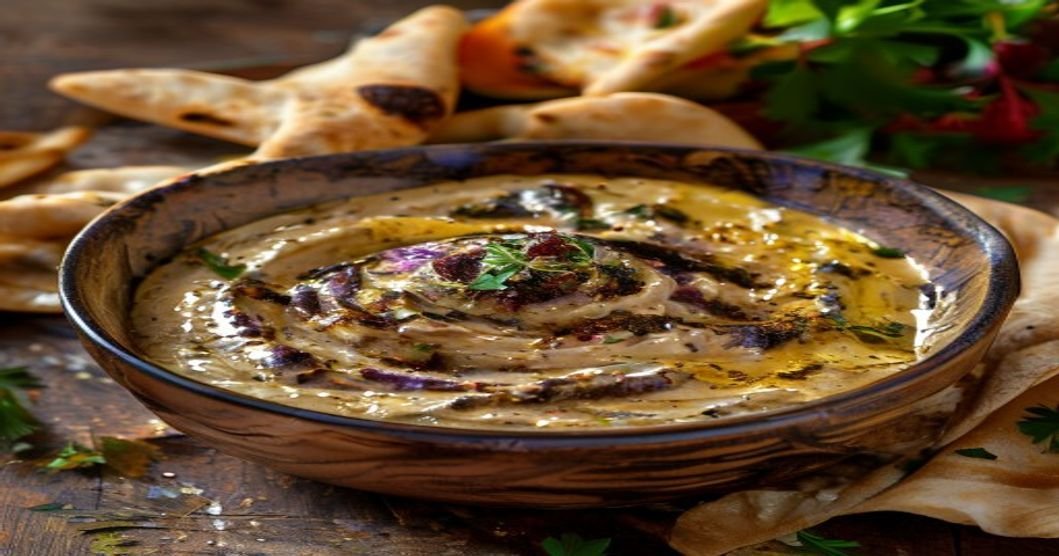
- Garnish and serve: Transfer the baba ganoush to a serving bowl. Drizzle with a little extra tahini, sprinkle with smoked paprika, chopped parsley, and pomegranate seeds (if using). Serve with warm pita bread, fresh veggies, or crackers.
Tips for the Best Baba Ganoush
Even the simplest recipes can benefit from a few pro tips. Here’s how to take your baba ganoush to the next level:
Don’t Skip the Draining Step
Eggplant is like a sponge—it absorbs water and can release it when cooked. If you skip draining the eggplant after charring, your baba ganoush will be watery and bland. Letting it sit in a colander for 10-15 minutes ensures a creamy, concentrated flavor.
Use Fresh, High-Quality Ingredients
Since this recipe relies on just a few ingredients, each one needs to shine. Use fresh lemon juice, high-quality tahini, and the best eggplants you can find. The difference is noticeable!
Let It Rest
Baba ganoush tastes even better after it’s had time to rest. The flavors meld together, and the texture becomes even creamier. If you can, make it a few hours ahead of time and refrigerate until ready to serve.
Get Creative with Garnishes
Garnishes aren’t just for looks—they add texture and flavor. Try topping your baba ganoush with toasted pine nuts, chopped olives, or a drizzle of date syrup for a sweet contrast. Fresh herbs like mint or cilantro also add a bright, fresh note.
Serve It Right
Baba ganoush is versatile, but it’s best served at room temperature. If you’ve refrigerated it, let it sit out for 20-30 minutes before serving. Pair it with warm pita bread, crunchy veggies like cucumbers and bell peppers, or even as a spread on sandwiches and wraps.
Why This Recipe Works
You might be wondering: does oil-free baba ganoush really taste as good as the traditional version? The answer is a resounding yes—and in some ways, it’s even better. Here’s why:
It’s Lighter, But Just as Satisfying
Without oil, this baba ganoush feels lighter on the palate, but the creaminess of the tahini and eggplant ensures it’s still deeply satisfying. You can enjoy it without the heaviness that sometimes comes with oil-based dips.
The Flavors Are More Pronounced
Oil can sometimes mute the flavors of other ingredients. By removing it, the smokiness of the eggplant, the tang of the lemon, and the nuttiness of the tahini all shine through more clearly. Every bite is a burst of flavor.
It’s More Versatile
Because it’s lighter, this oil-free baba ganoush pairs well with a wider variety of dishes. Use it as a dip, a spread, or even a salad dressing. It’s a blank canvas for your culinary creativity.
Final Thoughts: A Dip Worth Making
This oil-free vegan baba ganoush is more than just a recipe—it’s a revelation. It proves that you don’t need oil to create a dish that’s rich, creamy, and packed with flavor. Whether you’re vegan, oil-free, or just looking to try something new, this baba ganoush is a must-make.
So fire up your grill, grab an eggplant, and get ready to make the best baba ganoush you’ve ever tasted. Your taste buds (and your body) will thank you.
Call to Action: Share Your Creations!
Now it’s your turn! Have you tried making baba ganoush before? What’s your favorite way to enjoy it? Share your tips, variations, and photos in the comments below—I’d love to see your creations. And if you found this recipe helpful, don’t forget to share it with your friends and family. Happy cooking!
For more oil-free, plant-based recipes, be sure to subscribe to our newsletter. You’ll get exclusive recipes, tips, and updates delivered straight to your inbox. Let’s make delicious, healthy food together!


