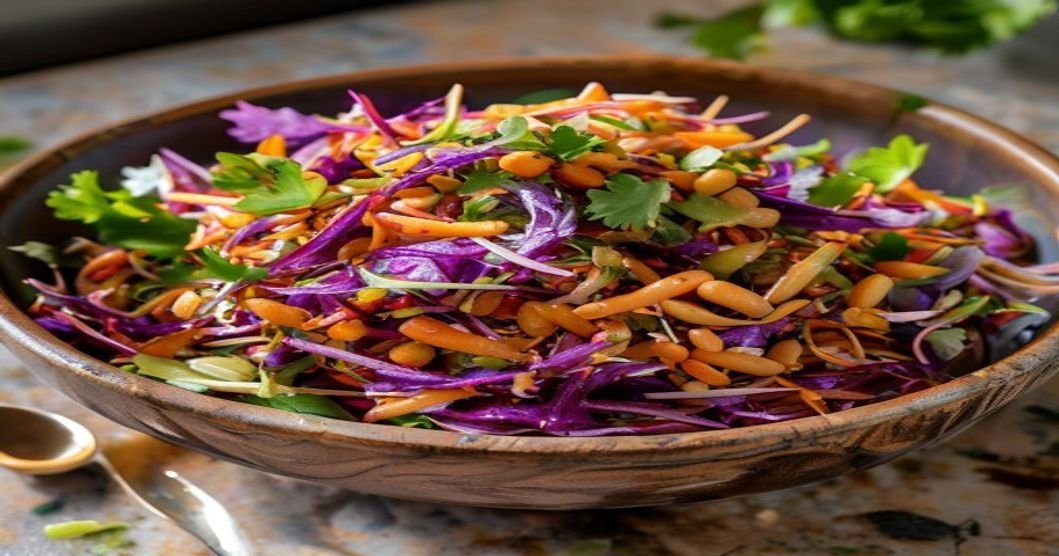
The Best Vegan Asian Slaw with Peanut Dressing: A Crunchy, Flavorful Delight
Looking for a vibrant, crunchy, and utterly delicious vegan side dish that’s packed with flavor? Look no further than this Best Vegan Asian Slaw with Peanut Dressing. This recipe combines the freshness of shredded vegetables with the rich, nutty goodness of a homemade peanut sauce. Whether you’re hosting a gathering, meal prepping for the week, or simply craving a nutritious snack, this slaw is a crowd-pleaser that’s as easy to make as it is satisfying.
In this guide, we’ll walk you through the step-by-step process of creating this Asian-inspired slaw, share expert tips for customization, and explain why it’s a fantastic addition to your plant-based meal rotation. Let’s dive in!
Why You’ll Love This Vegan Asian Slaw
This slaw isn’t just another side dish—it’s a flavor explosion in every bite. Here’s what makes it stand out:
- Nutrient-Dense: Packed with fiber, vitamins, and minerals from fresh cabbage, carrots, bell peppers, and edamame.
- Protein-Rich: The edamame and peanut dressing provide a satisfying plant-based protein boost.
- Crunchy & Fresh: The contrast of textures from shredded veggies and crispy toppings keeps every bite exciting.
- Versatile: Serve it as a side, toss it into wraps, or enjoy it as a standalone salad.
- Dairy-Free & Gluten-Free: Naturally free from common allergens, making it inclusive for most dietary needs.
Plus, the peanut dressing is the star of the show—creamy, tangy, slightly sweet, and umami-rich, it ties everything together perfectly.
Ingredients You’ll Need
Gather these fresh and pantry staples to whip up this slaw:
For the Slaw:
- 3 cups green cabbage, thinly shredded
- 1 cup red cabbage, thinly shredded
- 1 large carrot, julienned or grated
- 1 red bell pepper, thinly sliced
- 1 cup edamame, shelled and steamed (or thawed if using frozen)
- ¼ cup fresh cilantro, chopped
- 2 green onions, thinly sliced
- ½ cup crushed peanuts (for topping)
- 1 tbsp sesame seeds (optional, for garnish)
For the Peanut Dressing:
- ⅓ cup creamy peanut butter (unsweetened)
- 2 tbsp soy sauce or tamari (for gluten-free)
- 1 tbsp rice vinegar
- 1 tbsp maple syrup or agave (adjust to taste)
- 1 tbsp lime juice
- 1 clove garlic, minced
- 1 tsp fresh ginger, grated
- 1 tsp sriracha or chili garlic sauce (optional, for heat)
- 2-3 tbsp water (to thin the dressing as needed)
Step-by-Step Instructions
1. Prep the Vegetables
Start by washing and drying all your vegetables thoroughly. Shred the cabbages finely (a mandoline or sharp knife works best). Julienne the carrot and slice the bell pepper into thin strips. If using fresh edamame, steam or boil it for 3-4 minutes until tender, then cool it under cold water. If using frozen, simply thaw and drain.
2. Make the Peanut Dressing
In a small bowl, whisk together the peanut butter, soy sauce, rice vinegar, maple syrup, lime juice, minced garlic, grated ginger, and sriracha (if using). Add water, one tablespoon at a time, until the dressing reaches a smooth, pourable consistency. Taste and adjust seasoning—add more maple syrup for sweetness, lime for tang, or soy sauce for saltiness.
3. Assemble the Slaw
In a large mixing bowl, combine the shredded green and red cabbage, julienned carrots, sliced bell pepper, edamame, cilantro, and green onions. Toss gently to mix.
4. Dress and Toss
Pour the peanut dressing over the slaw and toss until every strand of cabbage is evenly coated. Let it sit for 10-15 minutes to allow the flavors to meld.
5. Garnish and Serve
Sprinkle crushed peanuts and sesame seeds on top for added crunch and visual appeal. Serve immediately or refrigerate for up to 3 days (the flavors will deepen over time!).
Customization Tips: Make It Your Own
One of the best things about this Vegan Asian Slaw is its adaptability. Here are some ways to tweak it to your taste or dietary preferences:
Protein Boosters
- Swap edamame for chickpeas, tofu cubes, or tempeh for extra protein.
- Add crispy baked tofu or tempeh bacon for a heartier meal.
Veggie Variations
- Add shredded purple cabbage or savoy cabbage for different textures.
- Toss in sliced cucumber, bean sprouts, or jicama for extra crunch.
- For a tropical twist, include mango or pineapple chunks.
Dressing Adjustments
- Use almond butter or cashew butter instead of peanut butter for a nut-free version.
- Add 1 tsp miso paste to the dressing for a deeper umami flavor.
- Sweeten with agave or coconut sugar instead of maple syrup.
Spice It Up
- Mix in thai basil or mint for a fresh herbal note.
- Top with crushed red pepper flakes or chili oil for heat lovers.
- Add pickled ginger or quick-pickled radishes for tanginess.
Serving Suggestions: How to Enjoy Your Slaw
This Vegan Asian Slaw is incredibly versatile. Here are some delicious ways to serve it:
As a Side Dish
- Pair it with grilled tofu, teriyaki tempeh, or vegan spring rolls.
- Serve alongside sushi, rice paper rolls, or vegan bao buns.
In Wraps or Bowls
- Stuff it into lettuce wraps, rice paper wraps, or whole wheat tortillas.
- Layer it over quinoa, brown rice, or vermicelli noodles for a grain bowl.
As a Topping
- Sprinkle it over ramen, pho, or noodle soups for added texture.
- Use it as a topping for avocado toast or vegan tacos.
Meal Prep Friendly
- Store the slaw and dressing separately in airtight containers for up to 3 days.
- Keep the crushed peanuts and sesame seeds in a separate bag to add just before serving to maintain crunch.
Nutritional Benefits: Why This Slaw is a Superfood
This Vegan Asian Slaw isn’t just delicious—it’s also packed with health benefits. Here’s a quick nutritional breakdown (per serving, approximate):
- Calories: ~180 kcal
- Protein: 8g (thanks to edamame and peanuts!)
- Fiber: 6g (great for digestion!)
- Vitamin C: 60% DV (immune support)
- Vitamin K: 50% DV (bone health)
- Iron: 15% DV (energy metabolism)
- Healthy Fats: From peanuts and sesame seeds (heart-healthy!)
Plus, the peanut dressing provides healthy fats and plant-based protein, making this slaw a balanced and satisfying dish.
Common Mistakes to Avoid
Even the simplest recipes can go awry if you’re not careful. Here are some pitfalls to watch out for:
- Over-dressing the slaw: Start with half the dressing and add more as needed—you can always add, but you can’t take away!
- Skipping the salt: The soy sauce and peanut butter provide saltiness, but taste as you go to ensure it’s well-seasoned.
- Using watery vegetables: Pat dry veggies like cabbage and carrots to prevent a soggy slaw.
- Not letting it marinate: Give the slaw 10-15 minutes to absorb the flavors before serving.
- Storing improperly: Keep the slaw and dressing separate until ready to eat to maintain freshness and crunch.
Frequently Asked Questions
Can I make this slaw ahead of time?
Yes! The slaw tastes even better the next day as the flavors meld. Store the dressing and slaw separately in the fridge for up to 3 days. Add toppings like peanuts and sesame seeds just before serving.
Is this slaw gluten-free?
It can be! Use tamari or coconut aminos instead of soy sauce to make it gluten-free. Always check your peanut butter and other ingredients for hidden gluten.
Can I use store-bought peanut butter?
Absolutely! Just opt for unsweetened, natural peanut butter to avoid added sugars or oils. Avoid peanut butter with palm oil if you’re concerned about sustainability.
What can I substitute for edamame?
Try chickpeas, black beans, or even diced avocado for a creamy texture. For extra protein, add crispy baked tofu or tempeh.
How do I make this slaw nut-free?
Use sunflower seed butter or tahini instead of peanut butter for the dressing. Skip the crushed peanuts and use seeds like pumpkin or sunflower seeds for topping instead.
Why This Recipe is Perfect for SEO and Food Bloggers
If you’re a food blogger or content creator, this Vegan Asian Slaw with Peanut Dressing is a recipe worth featuring. Here’s why:
- High Search Volume: Terms like “vegan Asian slaw,” “peanut dressing recipe,” and “easy vegan side dish” are popular in food searches.
- Visual Appeal: The vibrant colors of cabbage, carrots, and peanuts make for eye-catching photos and videos.
- Dietary Trends: Plant-based, gluten-free, and high-protein recipes are in high demand.
- Meal Prep Friendly: Readers love recipes that save time and fit into busy lifestyles.
- Customizable: The ability to adapt the recipe to different diets (nut-free, soy-free, etc.) broadens its appeal.
To maximize SEO, be sure to include keywords like:
- “best vegan Asian slaw”
- “easy peanut dressing recipe”
- “crunchy vegan side dish”
- “high-protein vegan slaw”
- “gluten-free Asian slaw”
Final Thoughts: Elevate Your Meal Game with This Slaw
The Best Vegan Asian Slaw with Peanut Dressing is more than just a side dish—it’s a flavor-packed, nutrient-dense, and incredibly versatile addition to any meal plan. Whether you’re a seasoned vegan or just looking to incorporate more plant-based meals into your diet, this recipe is a winner.
With its crunchy texture, creamy dressing, and fresh ingredients, it’s sure to become a staple in your recipe rotation. Plus, the easy customization options mean you can make it your own every time you prepare it.
So, what are you waiting for? Grab your chopping board, whip up this slaw, and get ready to impress your taste buds—and your dinner guests!
Ready to Try This Recipe? Here’s Your Call to Action!
If you love this Vegan Asian Slaw with Peanut Dressing, don’t forget to:
- Save the recipe for later by bookmarking this page or pinning it to your Pinterest board.
- Share it with friends who love vegan food or are looking for easy meal ideas.
- Leave a comment below to let us know how you customized your slaw!
- Follow us on social media for more delicious plant-based recipes and tips.
And if you make this recipe, tag us on Instagram or use the hashtag #VeganAsianSlaw—we’d love to see your creations!
Happy cooking! 🥬✨