The “Clean Out Your Fridge” Ultimate Buddha Bowl: A Love Story
Transform fridge leftovers into a vibrant, healthy Buddha Bowl! Quick, customizable, and packed with nutrients. No waste, just deliciousness.
It was a Tuesday evening, and my fridge looked like a crime scene. Half a bag of spinach wilted in the corner, a lonely sweet potato rolled around the bottom shelf, and a container of quinoa from last week’s meal prep stared at me accusatively. I sighed, knowing I should eat something healthy, but the thought of another sad salad made my soul weep.
Then, like a culinary superhero, the Buddha Bowl swooped in to save the day.
Buddha Bowls are the unsung heroes of the kitchen—versatile, forgiving, and endlessly customizable. They’re the perfect way to use up those random veggies, grains, and proteins lurking in your fridge before they turn into science experiments. And the best part? They’re delicious, nutritious, and require zero culinary genius.
Let me walk you through how to create your own “Clean Out Your Fridge” Ultimate Buddha Bowl, a masterpiece born from chaos.
What Exactly Is a Buddha Bowl?
If you’re new to the Buddha Bowl game, think of it as a deconstructed, edible rainbow. It’s a balanced meal served in a bowl, typically featuring:
- A base of grains or greens (quinoa, rice, kale, you name it)
- A protein source (tofu, chickpeas, chicken, or even that last bit of tempeh)
- A variety of colorful veggies (raw, roasted, or sautéed)
- A healthy fat (avocado, nuts, seeds, or a drizzle of tahini)
- A flavor bomb of a sauce or dressing (because bland food is a crime)
The beauty of a Buddha Bowl is that there are no rules—just guidelines. It’s like the “choose your own adventure” of meals, where every ingredient gets a chance to shine. And when you’re cleaning out your fridge, that’s exactly what you need.
The Fridge Foraging Begins
Armed with a mission, I opened my fridge and started pulling out everything that wasn’t moldy or expired. Here’s what I found:
- Half a red bell pepper (slightly soft but still usable)
- A handful of cherry tomatoes
- One lonely carrot (why do I always buy carrots in bulk?)
- A small zucchini that was on the verge of becoming zucchini bread
- That sad bag of spinach
- A block of tofu that had been ignored for a week
- Half a cup of cooked quinoa (from last week’s meal prep fail)
- A quarter of an avocado (because avocados never ripen on your schedule)
It wasn’t much, but it was enough. The key to a great Buddha Bowl is embracing imperfection. Wilted greens? No problem. Oddly shaped veggies? Even better. This is your chance to get creative and reduce food waste in the process.
Step 1: Choose Your Base
Every great Buddha Bowl starts with a solid foundation. For mine, I had two options: the quinoa or the spinach. I decided to go with both—because why choose? The quinoa would add heartiness, while the spinach would bring freshness.
If you’re starting from scratch, here are some base ideas:
- Grains: Quinoa, brown rice, farro, or couscous
- Greens: Spinach, kale, arugula, or mixed greens
- Starchy Veggies: Roasted sweet potatoes, butternut squash, or beets
Pro tip: If you’re using greens as your base, add them last to keep them crisp. Nobody likes soggy spinach.
Step 2: Pick Your Protein
Protein is what turns your Buddha Bowl from a sad salad into a satisfying meal. I had tofu on hand, which I pressed, cubed, and pan-fried with a little soy sauce, garlic powder, and smoked paprika. It wasn’t gourmet, but it was tasty.
Here are some protein ideas to consider:
- Plant-Based: Tofu, tempeh, chickpeas, black beans, or lentils
- Animal-Based: Grilled chicken, hard-boiled eggs, salmon, or leftover steak
- Dairy: Feta, goat cheese, or shredded cheddar (if you’re feeling fancy)
Pro tip: If you’re using canned beans, rinse them well to remove excess sodium. And if you’re cooking tofu, press it first to get that crispy texture—trust me, it’s a game-changer.
Step 3: Load Up on Veggies
This is where the magic happens. Buddha Bowls are all about color and texture, so aim for a mix of raw, roasted, and sautéed veggies. I chopped up my red bell pepper, cherry tomatoes, carrot, and zucchini, then tossed them in a little olive oil, salt, and pepper before roasting them at 400°F (200°C) for about 20 minutes. The result? Sweet, caramelized perfection.
Here are some veggie ideas to inspire you:
- Raw: Cucumber, shredded cabbage, radishes, or snap peas
- Roasted: Broccoli, cauliflower, Brussels sprouts, or sweet potatoes
- Sautéed: Mushrooms, onions, or bell peppers
- Pickled: Red onions, jalapeños, or carrots (for a tangy kick)
Pro tip: Don’t be afraid to mix textures. Crunchy raw veggies pair beautifully with soft roasted ones, and a little pickled something adds a bright, acidic contrast.
Step 4: Add a Healthy Fat
Healthy fats are what make Buddha Bowls feel indulgent without being unhealthy. They also help your body absorb all those fat-soluble vitamins from your veggies. I had a quarter of an avocado, which I sliced and placed on top like a little green crown.
Here are some other healthy fat options:
- Nuts: Almonds, walnuts, or pecans
- Seeds: Pumpkin seeds, sunflower seeds, or sesame seeds
- Oils: Drizzle of olive oil, tahini, or nut butter
- Cheese: Crumbled feta, goat cheese, or shredded Parmesan
Pro tip: Toast your nuts and seeds before adding them to your bowl. It brings out their natural oils and makes them extra crunchy.
Step 5: The Sauce—Because Flavor Is Everything
This is where Buddha Bowls go from good to “oh my gosh, I need to make this every week.” A great sauce ties everything together and makes each bite burst with flavor. I whipped up a quick tahini dressing by mixing tahini, lemon juice, garlic, maple syrup, and a little water to thin it out. It was creamy, tangy, and slightly sweet—perfect for drizzling over everything.
Here are some sauce ideas to try:
- Creamy: Tahini dressing, avocado lime dressing, or Greek yogurt ranch
- Tangy: Lemon vinaigrette, balsamic glaze, or miso-ginger dressing
- Spicy: Sriracha mayo, chipotle lime dressing, or harissa sauce
- Herby: Pesto, chimichurri, or cilantro lime dressing
Pro tip: Make a big batch of your favorite sauce and store it in the fridge for up to a week. It’s a lifesaver for quick meals.
Step 6: Assemble Your Masterpiece
Now comes the fun part—putting it all together. Start with your base, then arrange your protein, veggies, and healthy fats in sections or piles. Drizzle your sauce over everything, and finish with any extra toppings like fresh herbs, a sprinkle of seeds, or a squeeze of lemon.
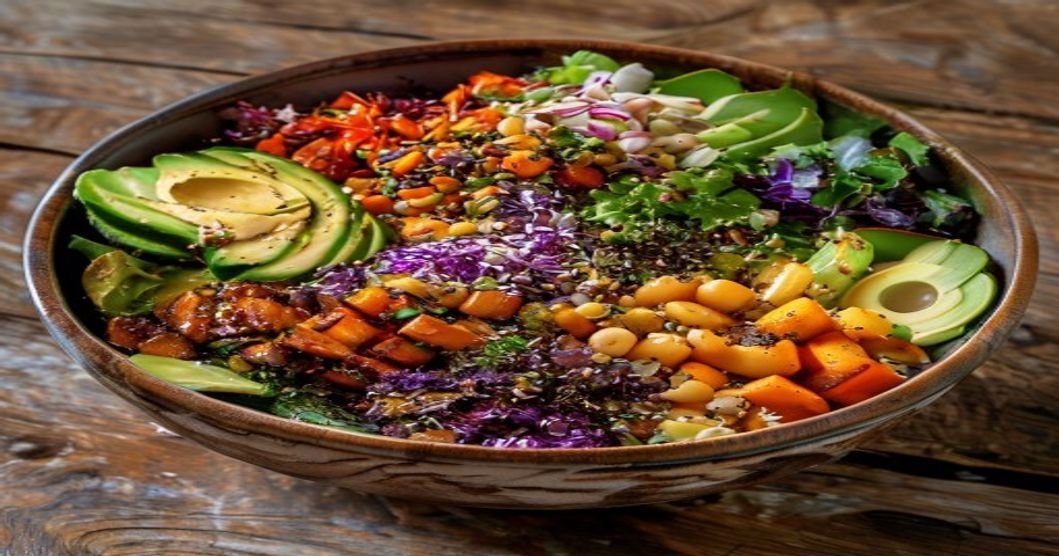
My “Clean Out Your Fridge” Ultimate Buddha Bowl ended up looking like this:
- Base: Quinoa + spinach
- Protein: Pan-fried tofu
- Veggies: Roasted bell pepper, cherry tomatoes, carrot, and zucchini
- Healthy Fat: Avocado slices
- Sauce: Tahini dressing
Ready to transform your fridge scraps into a delicious Buddha Bowl?
Gather Your Ingredients
Open your fridge and pull out any usable leftovers: veggies, grains, proteins, and healthy fats. Don’t overthink it—imperfection is part of the charm!
Prep Your Ingredients
Wash, chop, and cook as needed. Press tofu, roast veggies, or cook grains. The goal is to bring out the best flavors and textures.
Choose Your Base
Pick a grain, green, or starchy veggie to serve as your foundation. Quinoa, spinach, or roasted sweet potatoes work great.
Add Protein
Include a protein source like tofu, chickpeas, or leftover chicken. Press and cook tofu for extra crispiness.
Load Up on Veggies
Mix raw, roasted, and sautéed veggies for color and texture. Bell peppers, carrots, and zucchini are great options.
Add Healthy Fats
Top with avocado, nuts, seeds, or a drizzle of tahini. These add richness and help your body absorb nutrients.
Drizzle with Sauce
Choose a creamy, tangy, spicy, or herby sauce to tie everything together. Tahini dressing or avocado lime dressing are crowd-pleasers.
Assemble and Enjoy
Arrange your ingredients in a bowl, drizzle with sauce, and garnish with fresh herbs or a squeeze of lemon. Dig in!
Frequently Asked Questions
Can I make a Buddha Bowl without cooking?
Absolutely! Use raw veggies, canned beans, and pre-cooked grains. Top with a store-bought dressing for a no-cook meal.
How do I store leftover Buddha Bowls?
Store components separately in airtight containers for up to 3 days. Reheat grains and proteins, then assemble fresh.
What’s the best sauce for a Buddha Bowl?
It depends on your taste! Tahini dressing is creamy, lemon vinaigrette is tangy, and sriracha mayo adds heat. Experiment to find your favorite.