
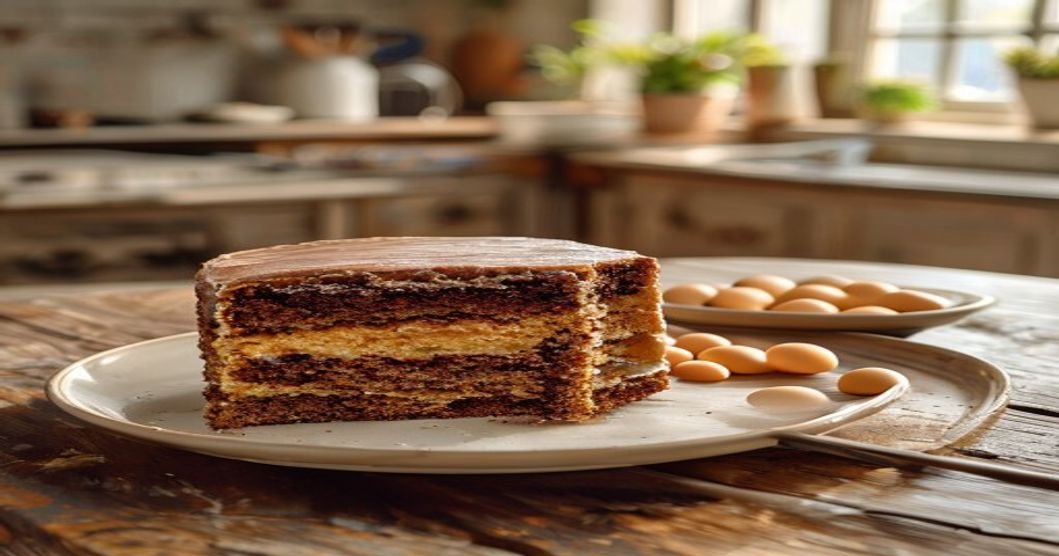
The One Trick That Makes Vegan Baking So Much Easier
Vegan baking doesn’t have to be complicated. In fact, there’s one simple trick that can transform your plant-based treats from dense and crumbly to light, fluffy, and delicious—every single time. Whether you’re whipping up cookies, cakes, or muffins, this method will save you time, frustration, and failed batches. Ready to revolutionize your vegan baking game? Let’s dive in!
Why Vegan Baking Can Be Challenging
Traditional baking relies heavily on eggs, butter, and dairy—ingredients that provide structure, moisture, and richness. When you remove these, you’re left with a few common challenges:
- Dense textures: Without eggs, baked goods can lack lift and airiness.
- Dry or crumbly results: Dairy-free alternatives don’t always bind as well as butter or milk.
- Flavor gaps: Plant-based ingredients can sometimes fall short in richness or depth of flavor.
- Inconsistent outcomes: Vegan recipes often require precise measurements and techniques to work.
But here’s the good news: there’s a single trick that addresses all of these issues at once. And it’s probably already in your pantry.
The One Trick: Aquafaba
If you haven’t heard of aquafaba, prepare to be amazed. Aquafaba is the viscous liquid found in cans of chickpeas (or the water left over from cooking them). It’s a magical, multi-purpose ingredient that mimics the properties of eggs in baking—without the cholesterol or animal products.
Why Aquafaba Works So Well
Aquafaba contains proteins and starches that replicate the binding, leavening, and emulsifying properties of eggs. Here’s how it helps:
- Binding: Holds ingredients together, preventing crumbly textures.
- Leavening: Whips up like egg whites, adding air and volume to baked goods.
- Moisture: Retains hydration, keeping cakes and muffins soft and tender.
- Emulsifying: Helps fats and liquids blend smoothly, improving batter consistency.
How to Use Aquafaba in Baking
Aquafaba is incredibly versatile. Here’s how to incorporate it into your vegan baking:
- As an egg substitute: 3 tablespoons of aquafaba = 1 egg. Use it in cakes, muffins, and quick breads.
- For whipped toppings: Whip aquafaba with sugar to create meringues, mousses, or vegan whipped cream.
- To improve texture: Add 1–2 tablespoons to cookie dough or brownie batter for chewiness.
- As a binder: Use in veggie burgers, fritters, or meatballs to hold ingredients together.
Pro Tips for Using Aquafaba
- Use unsalted canned chickpeas: The liquid should be thick and slightly viscous. Avoid low-sodium or watery versions.
- Reduce it for better results: Simmer aquafaba on the stove until it thickens (about 10–15 minutes) for a more concentrated egg-like effect.
- Add an acid: A teaspoon of lemon juice or apple cider vinegar helps stabilize whipped aquafaba, making it fluffier.
- Store it properly: Keep aquafaba in an airtight container in the fridge for up to 5 days, or freeze it for up to 3 months.
Bonus Tips for Effortless Vegan Baking
While aquafaba is a game-changer, these additional tips will take your vegan baking to the next level:
1. Choose the Right Flour
Not all flours are created equal. For the best results:
- All-purpose flour: Works well for most recipes but can yield denser results.
- Cake flour: Lighter and finer, ideal for fluffy cakes and cupcakes.
- Whole wheat flour: Adds nuttiness and fiber but can make baked goods heavier. Mix it with all-purpose flour for balance.
- Gluten-free blends: Use a 1:1 baking blend for gluten-free vegan treats.
2. Don’t Overmix the Batter
Overmixing develops gluten, leading to tough, dense baked goods. Mix just until the ingredients are combined, especially when using aquafaba or other egg substitutes.
3. Use Room-Temperature Ingredients
Cold ingredients don’t blend as smoothly, which can affect the texture of your baked goods. Take out your plant-based milk, aquafaba, and other refrigerated ingredients 30 minutes before baking.
4. Add a Leavening Agent
Since vegan batters often lack the lift from eggs, boost your recipe with:
- Baking powder: 1 teaspoon per cup of flour.
- Baking soda + acid: ½ teaspoon baking soda + 1 teaspoon vinegar or lemon juice per cup of flour.
- Apple cider vinegar: Adds lightness and reacts with baking soda for extra rise.
5. Enhance Flavor with Extracts and Spices
Vegan baked goods can sometimes taste bland. Amp up the flavor with:
- Vanilla extract: A must-have for sweetness and depth.
- Almond extract: Adds a nutty, aromatic touch.
- Cinnamon, nutmeg, or cardamom: Warm spices that complement cakes, cookies, and muffins.
- Citrus zest: Brightens up flavors in lemon or orange-based treats.
6. Let Your Baked Goods Rest
Vegan batters often benefit from a short rest (10–15 minutes) before baking. This allows the flour to hydrate and the aquafaba or other binders to work their magic, resulting in a better texture.
Easy Aquafaba Recipes to Get You Started
Ready to put aquafaba to the test? Here are three simple recipes to try:
1. Fluffy Vegan Pancakes
Ingredients:
- 1 cup all-purpose flour
- 1 tbsp sugar
- 2 tsp baking powder
- ¼ tsp salt
- ¾ cup plant-based milk
- 3 tbsp aquafaba
- 1 tbsp melted coconut oil
- 1 tsp vanilla extract
Instructions:
- Whisk dry ingredients in a bowl.
- In another bowl, mix wet ingredients, including aquafaba.
- Combine wet and dry ingredients, stirring just until mixed.
- Cook on a greased skillet over medium heat until bubbles form, then flip.
2. Vegan Chocolate Mousse
Ingredients:
- ½ cup aquafaba (reduced to ¼ cup)
- ¼ cup powdered sugar
- ¼ cup melted dark chocolate
- ½ tsp vanilla extract
Instructions:
- Whip aquafaba with powdered sugar until stiff peaks form.
- Gently fold in melted chocolate and vanilla.
- Chill for at least 2 hours before serving.
3. Chewy Vegan Chocolate Chip Cookies
Ingredients:
- 1 ½ cups all-purpose flour
- ½ tsp baking soda
- ½ tsp salt
- ½ cup coconut oil (solid)
- ½ cup brown sugar
- ¼ cup granulated sugar
- 3 tbsp aquafaba
- 1 tsp vanilla extract
- ½ cup vegan chocolate chips
Instructions:
- Cream coconut oil and sugars until fluffy.
- Add aquafaba and vanilla, mixing well.
- Combine dry ingredients, then mix into wet ingredients.
- Fold in chocolate chips and chill dough for 30 minutes.
- Bake at 350°F (175°C) for 10–12 minutes.
Common Vegan Baking Mistakes (And How to Fix Them)
Even with aquafaba, things can go wrong. Here’s how to troubleshoot:
1. Dense or Flat Baked Goods
Cause: Not enough leavening agent or overmixing the batter.
Fix: Add ½ tsp more baking powder or baking soda, and mix gently.
2. Dry or Crumbly Texture
Cause: Too much flour or not enough fat/moisture.
Fix: Measure flour accurately (spoon and level, don’t scoop) and add 1–2 tbsp more plant-based milk or aquafaba.
3. Baked Goods Don’t Rise
Cause: Expired leavening agents or cold ingredients.
Fix: Check the expiration date on your baking powder/soda and use room-temperature ingredients.
4. Gritty or Grainy Texture
Cause: Undissolved sugar or overmixed batter.
Fix: Cream sugar with fat until smooth, and avoid overmixing.
5. Baked Goods Stick to the Pan
Cause: Not enough grease or using the wrong pan.
Fix: Line pans with parchment paper or use a high-quality non-stick pan.
Ready to Bake Like a Pro?
Vegan baking doesn’t have to be intimidating. With aquafaba in your toolkit, you’ll achieve light, fluffy, and delicious results every time. Start with the recipes above, experiment with your favorites, and don’t be afraid to get creative!
Have you tried aquafaba in your baking? Share your favorite vegan recipes or tips in the comments below—we’d love to hear from you!
For more vegan baking hacks, subscribe to our newsletter and get exclusive recipes delivered straight to your inbox. Happy baking!