
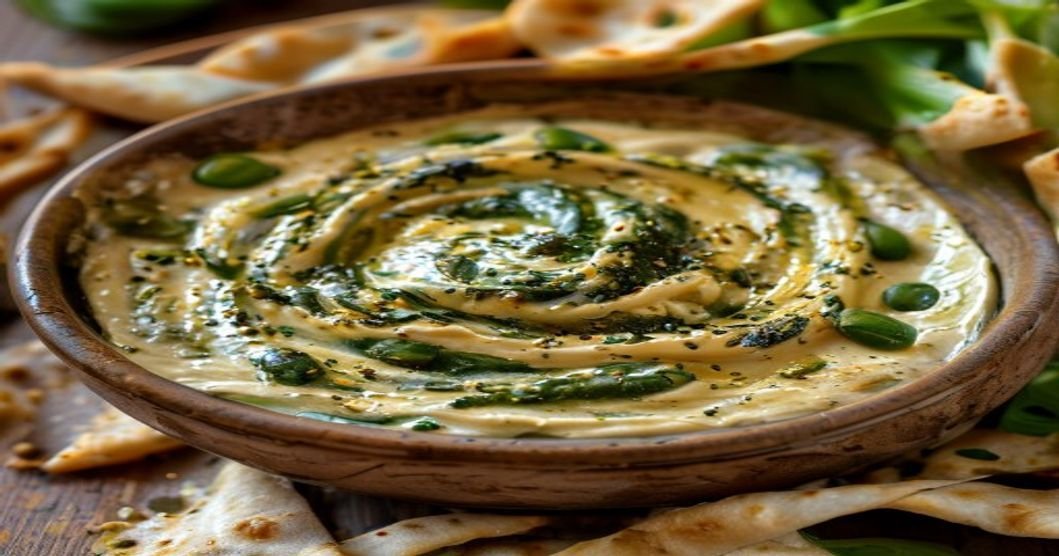
High-Protein Edamame and Spinach Hummus: A Nutritious Twist on a Classic Dip
Hummus is a beloved Middle Eastern dip made from chickpeas, tahini, lemon, and garlic. While traditional hummus is already packed with plant-based protein and fiber, this high-protein edamame and spinach hummus takes nutrition to the next level. By incorporating edamame (young soybeans) and spinach, this vibrant green dip delivers even more protein, vitamins, and minerals—making it a perfect snack or spread for health-conscious foodies.
In this guide, we’ll explore the benefits of edamame and spinach hummus, share a simple step-by-step recipe, and provide serving suggestions to help you enjoy this delicious and nutrient-dense dip. Whether you’re looking to boost your protein intake, add more greens to your diet, or simply try a new flavor, this hummus variation is a must-try!
Why Choose Edamame and Spinach Hummus?
Traditional hummus is already a nutritional powerhouse, but swapping chickpeas for edamame and adding spinach enhances its health benefits. Here’s why this version stands out:
1. Higher Protein Content
Edamame is one of the few plant-based foods considered a complete protein, meaning it contains all nine essential amino acids. A half-cup serving of edamame provides around 9 grams of protein, compared to about 7 grams in the same amount of chickpeas. This makes edamame and spinach hummus an excellent choice for vegetarians, vegans, and anyone looking to increase their protein intake without relying on animal products.
2. Rich in Essential Nutrients
Both edamame and spinach are packed with vitamins and minerals:
- Edamame: High in folate, vitamin K, iron, and magnesium. It also contains antioxidants like isoflavones, which may support heart health.
- Spinach: A great source of vitamin A, vitamin C, vitamin K, iron, and calcium. It’s also rich in lutein and zeaxanthin, antioxidants that promote eye health.
3. Lower in Carbs Than Traditional Hummus
If you’re following a low-carb or keto-friendly diet, edamame is a great alternative to chickpeas. A half-cup of edamame contains about 6 grams of net carbs, compared to 15 grams in chickpeas. This makes edamame and spinach hummus a more blood-sugar-friendly option.
4. Vibrant Color and Fresh Flavor
The bright green hue of this hummus isn’t just visually appealing—it also signals a boost in nutrients. The combination of edamame and spinach creates a milder, slightly sweeter taste than traditional hummus, with a creamy yet fresh texture.
How to Make High-Protein Edamame and Spinach Hummus
This recipe is quick, easy, and requires just a few simple ingredients. You can make it in a food processor or high-speed blender in under 10 minutes!
Ingredients
- 1 cup shelled edamame (fresh or frozen, thawed)
- 2 cups fresh spinach (packed, stems removed)
- ¼ cup tahini (sesame paste)
- 3 tablespoons lemon juice (freshly squeezed)
- 2 cloves garlic
- 2 tablespoons extra-virgin olive oil (plus more for drizzling)
- ½ teaspoon ground cumin
- ½ teaspoon salt (or to taste)
- ¼ teaspoon black pepper
- 2-4 tablespoons water (as needed for consistency)
- Optional garnishes: sesame seeds, red pepper flakes, chopped parsley, or a drizzle of olive oil
Instructions
Step 1: Prepare the Edamame
If using frozen edamame, thaw it by placing it in a bowl of warm water for 5-10 minutes. Drain and rinse before using. For fresh edamame, simply shell and measure out 1 cup.
Step 2: Blanch the Spinach (Optional)
While not strictly necessary, blanching the spinach helps soften it and enhances the hummus’s vibrant color. To blanch:
- Bring a pot of water to a boil.
- Add spinach and cook for 30 seconds.
- Drain and immediately transfer to an ice bath to stop cooking.
- Squeeze out excess water before adding to the food processor.
Step 3: Blend the Ingredients
In a food processor or blender, combine the edamame, spinach, tahini, lemon juice, garlic, olive oil, cumin, salt, and pepper. Pulse until the mixture starts to break down, then blend continuously until smooth.
Step 4: Adjust the Consistency
If the hummus is too thick, add 1 tablespoon of water at a time until you reach your desired texture. For a creamier hummus, blend in an extra tablespoon of olive oil.
Step 5: Taste and Season
Give the hummus a taste and adjust the seasoning as needed. You can add more lemon juice for acidity, salt for flavor, or garlic for a stronger kick.
Step 6: Serve and Garnish
Transfer the hummus to a serving bowl and drizzle with olive oil. Garnish with sesame seeds, red pepper flakes, or fresh herbs for extra flavor and presentation.
Nutritional Information (Per Serving)
This recipe makes about 8 servings (2 tablespoons per serving). Here’s the approximate nutritional breakdown:
- Calories: 110
- Protein: 5g
- Fat: 8g (mostly healthy fats from tahini and olive oil)
- Carbohydrates: 6g
- Fiber: 2g
- Sugar: 1g
Creative Ways to Enjoy Edamame and Spinach Hummus
This versatile dip can be used in countless ways beyond just a snack with pita chips. Here are some delicious serving ideas:
1. As a Spread for Sandwiches and Wraps
Swap mayo or mustard for this hummus in your favorite sandwiches, wraps, or collard green wraps. It pairs especially well with:
- Grilled chicken or turkey
- Avocado and sprouts
- Roasted vegetables (bell peppers, zucchini, eggplant)
- Falafel or veggie burgers
2. A Dip for Veggies and Crackers
Serve with an assortment of raw or roasted vegetables for a nutrient-packed snack:
- Carrot sticks
- Cucumber slices
- Bell pepper strips
- Cherry tomatoes
- Celery
- Whole-grain or seed crackers
3. A Sauce for Bowls and Salads
Drizzle this hummus over grain bowls, Buddha bowls, or salads for extra creaminess and protein. Try it with:
- Quinoa or brown rice
- Roasted sweet potatoes
- Chickpeas or lentils
- Grilled tofu or tempeh
- Mixed greens with nuts and seeds
4. A Filling for Stuffed Vegetables
Use this hummus as a filling for stuffed bell peppers, tomatoes, or mushrooms. Mix it with cooked quinoa or rice for a heartier dish.
5. A Marinade or Dressing
Thin the hummus with a little water or lemon juice to create a creamy salad dressing or marinade for grilled vegetables, chicken, or fish.
Tips for the Best Edamame and Spinach Hummus
Follow these pro tips to ensure your hummus turns out perfectly every time:
1. Use High-Quality Tahini
The quality of your tahini can make or break your hummus. Look for 100% sesame tahini with no added oils or preservatives. Brands like Soom, Al Wadi, or Joyva are excellent choices.
2. Don’t Skip the Ice Bath for Spinach
Blanching and shocking spinach in an ice bath helps preserve its bright green color and prevents the hummus from turning brown. If you’re short on time, you can skip this step, but the hummus may have a slightly duller appearance.
3. Adjust the Garlic to Taste
Garlic adds a bold flavor, but it can easily overpower the hummus. Start with 1-2 cloves and adjust based on your preference. For a milder taste, roast the garlic before blending.
4. Add Water Gradually
When thinning the hummus, add water 1 tablespoon at a time to avoid making it too runny. The ideal consistency should be smooth and creamy, similar to traditional hummus.
5. Store Properly for Freshness
This hummus will keep in the refrigerator for up to 5 days in an airtight container. For longer storage, freeze it in portions for up to 3 months. If the hummus thickens after refrigeration, stir in a little water or olive oil to restore its creamy texture.
6. Experiment with Add-Ins
Customize your hummus with these flavor-boosting add-ins:
- Roasted red pepper: Adds a smoky, sweet flavor.
- Avocado: Makes the hummus extra creamy and rich.
- Jalapeño: Adds a spicy kick.
- Fresh herbs: Try cilantro, dill, or parsley for a fresh twist.
- Nutritional yeast: Adds a cheesy, umami flavor (great for vegans).
Frequently Asked Questions (FAQs)
1. Can I use frozen spinach instead of fresh?
Yes! Frozen spinach works well in this recipe. Thaw it completely and squeeze out as much water as possible before blending to prevent a watery hummus.
2. Is edamame hummus safe for people with soy allergies?
No. Edamame is a young soybean, so this hummus is not suitable for those with soy allergies. For a soy-free alternative, stick to traditional chickpea hummus or try a white bean or lentil-based hummus.
3. Can I make this hummus without tahini?
Tahini adds a rich, nutty flavor and creamy texture, but if you don’t have it or are allergic to sesame, you can substitute it with:
- Greek yogurt or coconut yogurt (for creaminess)
- Almond butter or cashew butter (for nuttiness)
- Olive oil (for richness, though the texture may be thinner)
4. How can I make this hummus oil-free?
To make an oil-free version, omit the olive oil and add a little extra water or lemon juice to achieve the desired consistency. You can also use aquafaba (chickpea brine) for creaminess.
5. Can I use canned edamame?
Yes, canned edamame works in a pinch. Just be sure to rinse it well to remove excess sodium before using.
Final Thoughts: A Protein-Packed Upgrade to a Classic Dip
This high-protein edamame and spinach hummus is a delicious and nutritious twist on a classic favorite. With its vibrant color, creamy texture, and impressive nutrient profile, it’s a fantastic way to enjoy more plant-based protein and greens in your diet. Whether you’re meal prepping for the week, hosting a party, or simply looking for a healthy snack, this hummus is sure to become a staple in your kitchen.
Give this recipe a try and experiment with different flavors, add-ins, and serving ideas to make it your own. Don’t forget to share your creations on social media and tag us—we’d love to see how you enjoy this protein-packed dip!
Call to Action: Try It Today!
Ready to whip up a batch of this delicious and nutritious hummus? Here’s what to do next:
- Gather your ingredients (most can be found at your local grocery store or health food market).
- Follow the step-by-step recipe above for foolproof results.
- Get creative with serving ideas—try it as a spread, dip, or sauce!
- Share your experience in the comments below or on social media using #EdamameSpinachHummus.
- Pin this recipe for later or share it with friends who love healthy, protein-rich snacks!
Have you tried edamame hummus before? What’s your favorite way to enjoy it? Let us know in the comments!